
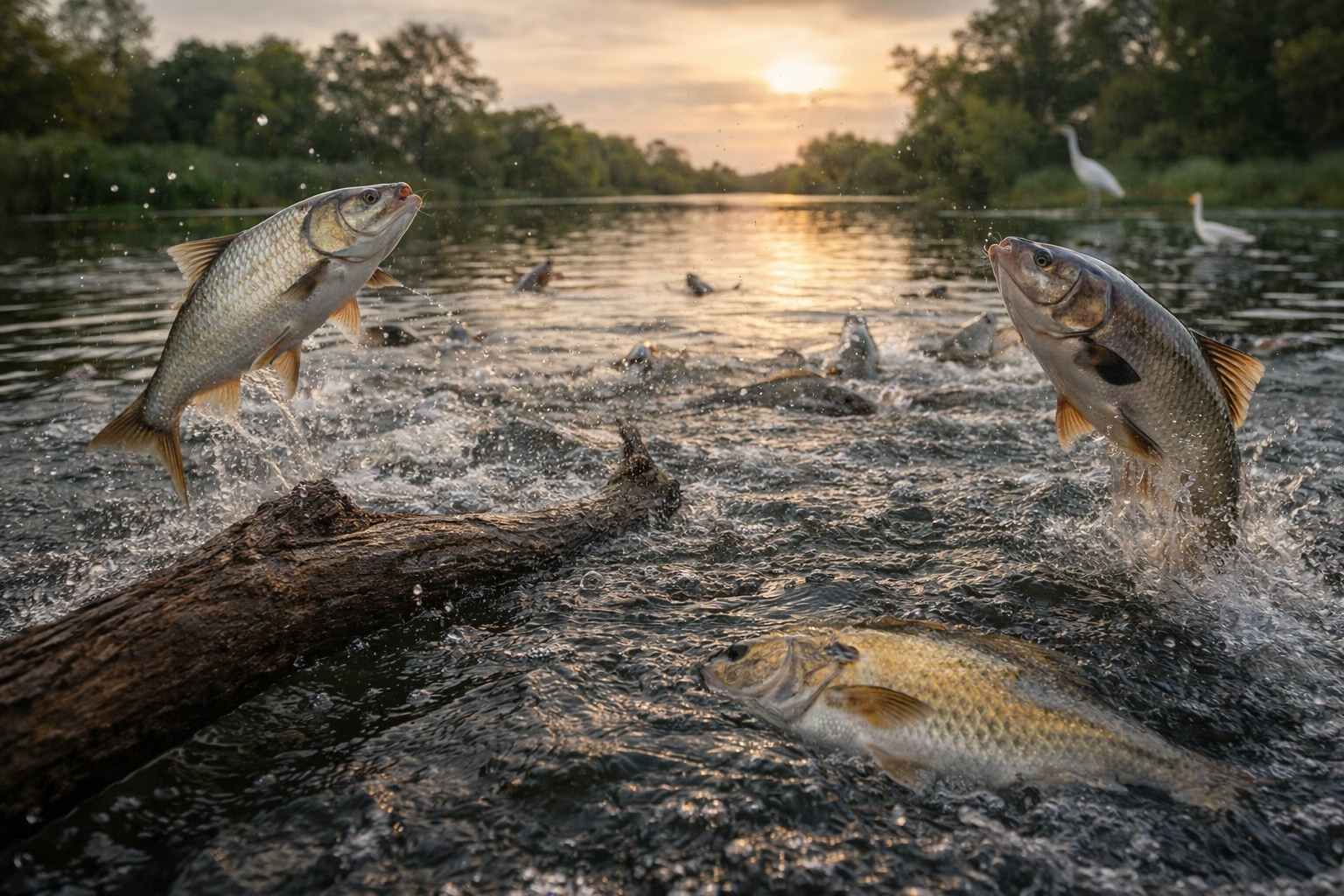
Some invasions arrive with noise and warning. Others slip in quietly, riding the current, unnoticed—until one day the water you thought you knew feels empty in all the wrong ways.
That’s the story unfolding along the lower Ohio River and its surrounding backwaters, where a foreign intruder has steadily pushed native fish to the margins.
For generations, the sloughs and oxbow lakes scattered across far western Ballard County—now part of the Kentucky Department of Fish and Wildlife Resources Boatwright and Ballard Wildlife Management Areas—held healthy populations of bluegill, bass, and crappie. These were dependable fisheries, the kind anglers could count on year after year.
Then came the carp.
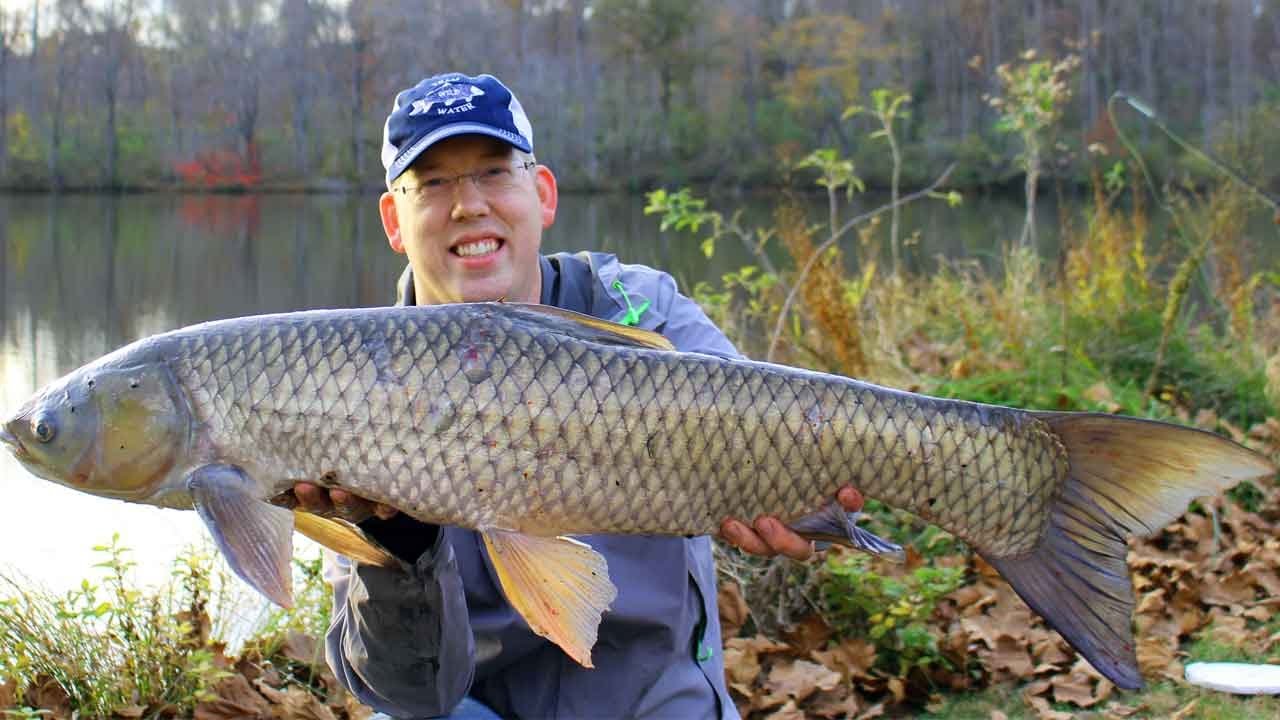
“Ten to fifteen years ago, these lakes had good bluegill, bass, and crappie fisheries,” said fisheries biologist Paul Rister. “We sampled Fish Lake not long ago and didn’t see a single sport fish. What we found were bighead and silver carp—nothing else. They’ve taken over and replaced the native species. The native fish just don’t have a chance.”
That’s not an exaggeration—it’s a warning.
The culprits, silver and bighead carp, are native to Asia. They were originally imported into Arkansas fish farms to control algae in rearing ponds. But nature has a way of rewriting human plans. During major floods in 1993, 1995, and again in 2002, these fish escaped into the Mississippi River system—and began a steady, relentless expansion.
From there, they pushed up into the Ohio River and its tributaries, spreading with each flood event.
Evidence of their growing dominance has been hard to ignore. After the 2000 distillery fire on the Kentucky River caused a significant fish kill, biologists found large numbers of dead bighead carp among the losses. In some stretches of the Mississippi River, Asian carp now make up 90 percent or more of the total fish biomass.
“They will spawn and then take over,” said Ted Crowell, assistant director of fisheries. “They adapt to any environment, any weather. They survive our winters and our summers.”
What makes these fish especially dangerous isn’t just their numbers—it’s how they feed.
Like the native paddlefish, bighead and silver carp are filter feeders. They consume plankton and microscopic organisms—the same foundational food source that nearly all fish species rely on during their earliest stages of life.
That means every young bass, crappie, or bluegill is competing directly with these invasive carp from day one.
“If you suddenly add 100,000 pounds of fish that weren’t there before, it’s going to have an impact,” Crowell explained. “All fish are competing for the same food and space, and our native species are the ones that suffer.”
And the problem isn’t staying put.
Biologists have already confirmed the presence of these carp in Kentucky Lake and Lake Barkley—both renowned for their world-class crappie, bluegill, and bass fisheries. The concern now is not whether these fish will spread further, but how far and how fast.
“It’s a serious threat, and there’s practically no commercial market for them,” Rister said. “They’re loading down commercial fishing nets and even causing damage.”
Another avenue of spread may be less obvious—but just as dangerous.
Water intake systems along the Ohio River can unintentionally transport young carp into reservoirs and water supply lakes. From there, they can move downstream and establish new populations in previously unaffected waters.
“I’m very concerned about what happens once they get into those systems,” said fisheries director Benjy Kinman. “Where do they go next? And what does that do to the food chain?”
Anglers, too, play a role—whether they realize it or not.
Those who collect live bait such as shad from rivers and tributaries risk unknowingly transporting juvenile carp. Young silver carp, in particular, closely resemble native baitfish.
“All it takes is one bait bucket dumped into a lake like Green River,” Kinman said. “And now they’re there.”
There’s another danger as well—one that’s already making headlines across parts of the Midwest.
Silver carp are notorious for their tendency to leap from the water when startled by boat motors. In some areas, these fish have struck boaters hard enough to cause injuries. Commercial fishermen on the Illinois River have resorted to using trash can lids as shields while running their boats.
It raises a question that’s not easy to answer: what happens when that behavior spreads into more heavily trafficked recreational waters?
And as troubling as bighead and silver carp may be, they’re not alone.
Another species, black carp—also imported from Asia to control snails in aquaculture ponds—has escaped into the wild. These fish pose a direct threat to native mussel populations, including species already listed as threatened or endangered.
“They were brought in to break the life cycle of parasites,” Crowell said. “But in the wild, they can devastate native mussel populations by feeding on young mussels.”
Taken together, it paints a sobering picture.
What began as a well-intentioned solution in fish farming has turned into one of the most significant aquatic invasions in North America. And once these fish gain a foothold, turning the tide becomes a difficult—if not impossible—task.
Out on the water, the signs may not always be obvious at first. Maybe the bite slows. Maybe the familiar patterns don’t quite line up. But underneath it all, the balance is shifting.
And the lesson, like most in the outdoors, is a simple one—hard learned and often repeated:
Take care of the resource… or something else will take it from you.

0 Comments