
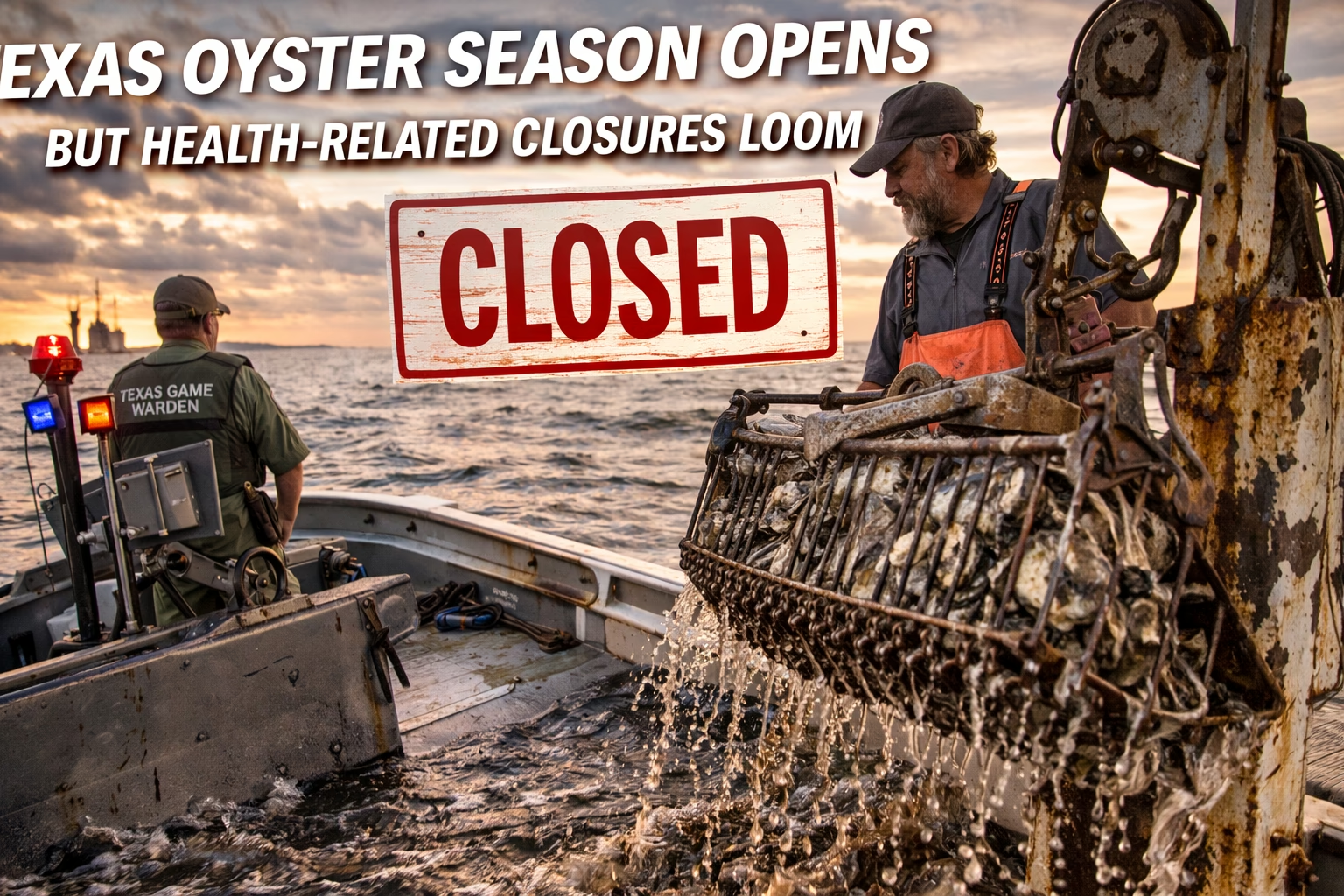
Oyster Season Opens—With a Few Hard Lines Drawn
Along the Texas coast, November usually brings a familiar rhythm—cooler air, working boats, and the steady pull of oyster dredges across the bay bottoms.
This year, the season opens with a little more caution in the tide.
The Texas oyster season officially begins November 1, but not without restrictions. Recent heavy rains across the state, combined with red tide activity along the lower coast, have prompted the Texas Department of State Health Services to close several key harvesting areas. Among them: parts of Galveston Bay, where conditions have raised concerns about water quality and public health.
And for some areas, the closure isn’t just temporary.
East Galveston Bay will remain off-limits for the next two years, giving battered oyster reefs time to recover from the damage left behind by Hurricane Ike. It’s a necessary pause—one aimed at restoring a resource that has long supported both the coastal economy and a way of life passed down through generations.
For those still working open waters, the message is clear: know the boundaries, and respect them.
Recent changes in state law have raised the stakes for violations. Where once responsibility fell primarily on the vessel captain, new regulations now hold everyone on board accountable if oysters are taken from closed waters. Penalties are steep—fines ranging from $500 to $4,000, with the possibility of up to a year in jail.
It’s a firm line, drawn for good reason.
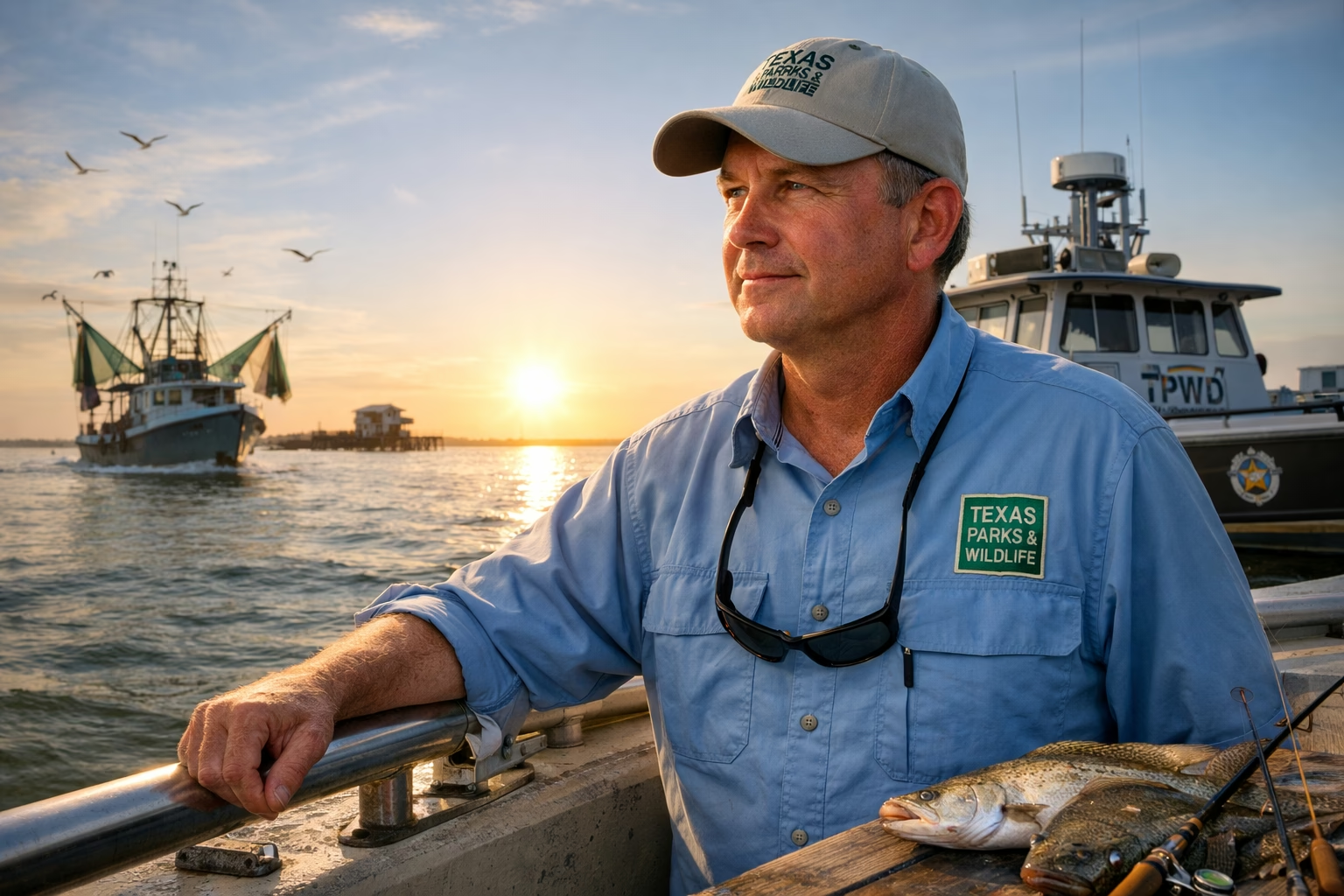
Texas game wardens will be out in force, patrolling bays and estuaries to ensure compliance. Their role goes beyond enforcement—it’s about protecting consumers from contaminated shellfish and preserving the long-term health of the fishery itself.
For oystermen, it’s another reminder that success on the water has always come with a responsibility to the resource.
If there’s any uncertainty about which areas remain open, harvesters are encouraged to check directly with the Texas Department of State Health Services or a local Texas Parks and Wildlife coastal office before heading out.
Because along this coast, the best seasons aren’t just measured by what’s brought in—
They’re measured by what’s left behind to grow.

0 Comments