

Handle a Lunker Right… or Lose It Later
Catching a truly big bass is only half the job.
What you do in the next few minutes can determine whether that fish lives to swim another day… or dies weeks later from something you never saw coming.
According to David Campbell, one of the biggest factors affecting the survival of ShareLunker bass has nothing to do with where it was caught or what it weighed. It comes down to how that fish is handled before it ever reaches the care of the Texas Parks and Wildlife Department.
The advice from TPWD is simple, even if it goes against instinct. Less handling. Less stress. More time in the water.
Every time a big bass is lifted out of a livewell for another photo, the risk goes up. Protective slime is lost. Fungal infections can take hold where hands have touched the fish. And worse, a single careless hold can cause injuries that won’t show up until it’s too late.
Big bass aren’t just heavier. They’re powerful.
Jim Matthews of the Texas Freshwater Fisheries Center has seen the damage firsthand.
“We’ve all seen those photos of bass held up by one hand on the lower jaw,” he says. “Do that with a lunker, and you’re almost guaranteed to injure the fish.”
Biologist Juan Martinez deals with what happens next.
“Over-handling stresses the fish,” Martinez explains. “We see missing scales, scrapes from wire baskets or small containers, and injuries from fish being handled too much or too roughly.”
And then there’s the jaw.
“A lot of people think if the jaw is broken, the mouth will hang open,” he says. “That’s not always true. If the break is in the middle of the jaw, the mouth can still close, but the fish can’t feed properly. That kind of injury usually comes from holding a big fish vertically without supporting its body.”
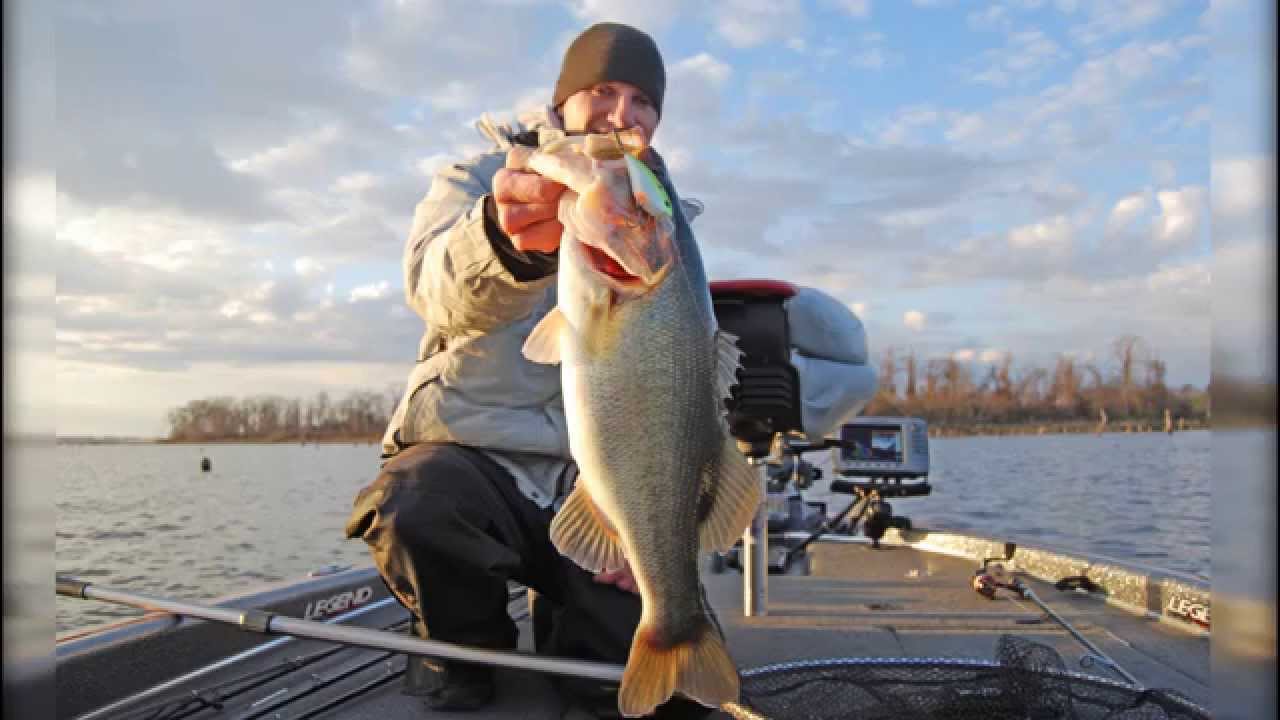
That classic grip-and-grin pose, holding a big bass straight up by the jaw, might look good in a photo. But it can quietly seal the fish’s fate.
Campbell offers a straightforward set of guidelines every angler should follow:
- Wet your hands before touching the fish.
- Grip the lower jaw with your dominant hand, thumb inside the mouth and fingers outside.
- Support the fish’s body with your other hand under the belly, just forward of the tail.
- Hold the fish horizontally, using both hands.
- Never suspend a big bass vertically by the jaw alone.
- Keep handling to a minimum and avoid repeated trips out of the water for photos.
And above all, remember this:
“The fish has to be in the water to breathe,” Campbell says.
A bass that’s already been caught and confined is under stress. Every second out of the water adds to it. That stress can turn into a serious condition that doesn’t show up until one, two, even three weeks later, when the fish dies for reasons the angler never connects back to that moment.
Photos are fine. Just be ready.
Have the camera set. Take one or two quick shots. Get the fish back in the water within thirty seconds.
And don’t forget the wind. Even a light breeze can dry a bass’s eyes quickly and cause lasting damage.
When you think about it, a 13- or 14-pound bass is the freshwater equivalent of a trophy whitetail.
The difference is, that buck ends up on the wall.
A big bass, handled properly, goes back into the lake… and has the chance to grow, spawn, and maybe become the next fish of a lifetime.
If you want more lunkers in your future, it starts with the one in your hands right now.
Treat her like she matters.
Because she does.

0 Comments