
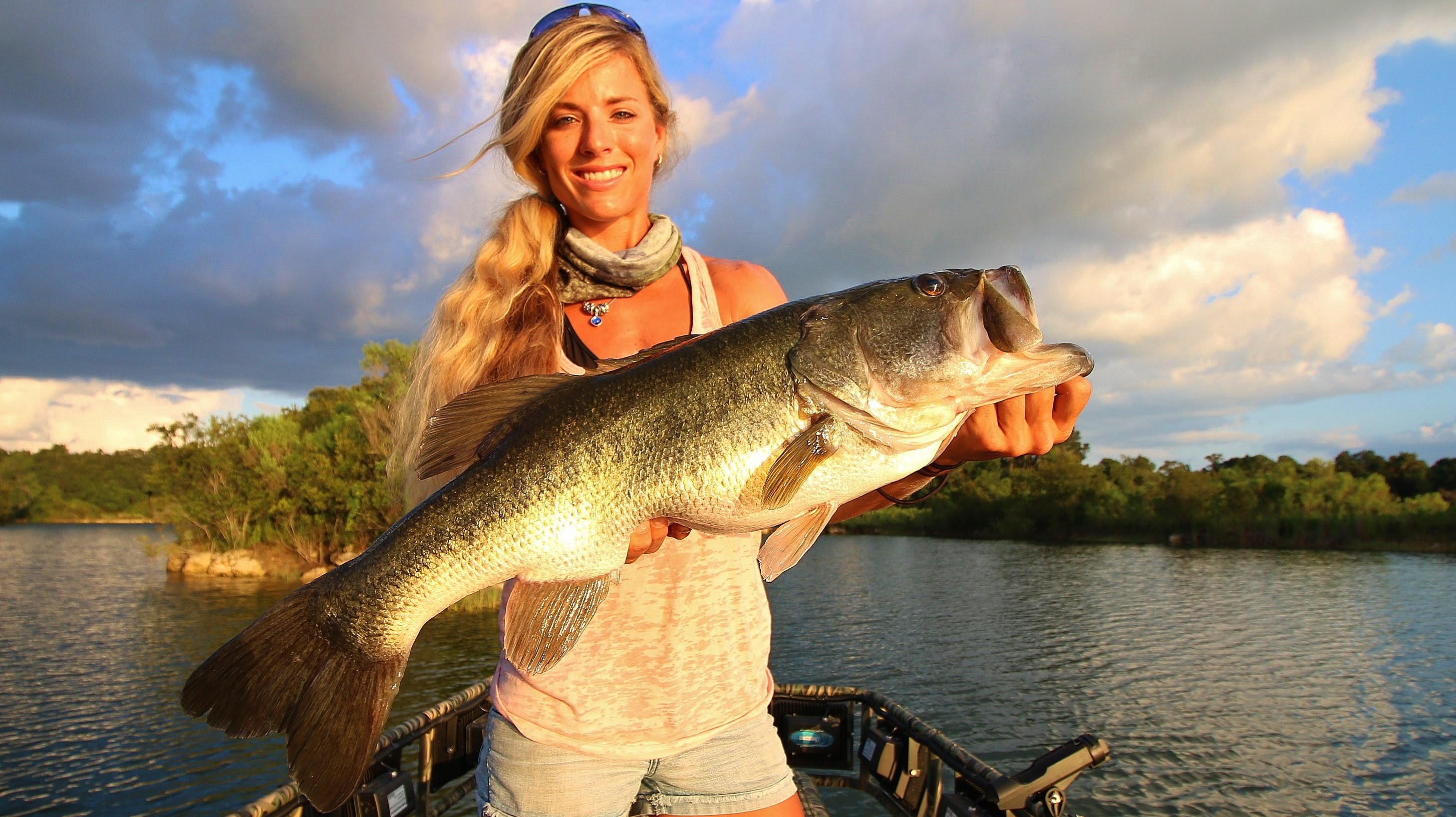
I recently spoke with Pat McCarty, the editor of this magazine, about the emails we receive regarding fishing. We both hear from many beginners who have never picked up a rod and want to know the basics: where to go, how to fish, and what gear to use.Normally, my column covers topics designed to broaden the horizons of experienced anglers—usually cutting-edge information I am currently developing. In fact, most professional fishermen write about high-tech topics. If you are a veteran of the sport, this article may not be for you, but it is your duty to pass it along to a beginner or a youngster so they can learn the ropes.
Getting Started
If you are a newcomer, you have every advantage. There are numerous magazines, TV shows, newspaper articles, and internet forums dedicated to the craft. Local guides are also just a phone call away. However, the biggest question for any beginner is: "Where do I go?"While reservoirs are popular, they often require a boat. For those starting out on foot, there are four great options:
Farm PondsGolf Course PondsCreeksSmall Lakes
If you want to fish a private pond, you must ask for permission. The worst they can do is say no, but more often than not, they will say yes. If you are granted access, ensure you leave the area cleaner than you found it to ensure you're invited back.
Targeting Different Species
Ponds and creeks usually hold healthy populations of bass, bream, and catfish. Here is how to target them:1. Bass
When starting out, fish with small baits. There are always more small bass than giants, and as a beginner, you want to catch as many fish as possible to gain experience.
Gear: Use 1/8 oz or 1/4 oz spinnerbaits (like Beetle Spins), small 4-inch plastic worms, or 1/4 oz crankbaits.Location: Bass live around "cover." Cast your lures near stumps, logs, weeds, or bushes.
2. Bream and Perch
The easiest way to catch these is with a simple bobber rig.
Setup: Use a small, long-shanked hook with a small split-shot weight (1/16 oz) pinched two inches above it. Place a small cork (float) about 18 inches above the hook.Bait: Use crickets, grasshoppers, bits of earthworm, or dough balls. Ensure the point of the hook is covered by the bait to get more bites.
3. Catfish
Catfish are bottom feeders found in almost any body of freshwater.
Setup: Use a hook with a 1/4 oz weight.Bait: Use chicken liver, shrimp, earthworms, or prepared "stink baits." Cast it out, let it sit on the bottom, and wait for a catfish to smell it.
Moving Forward
Your local sporting goods store clerk is a great resource; most are anglers themselves and can help you select the right gear.If you have mastered the ponds and want to take the next step, consider joining a bass club. You don’t even need to own a boat! Club members with boats often take "non-boaters" out during weekend events. This is the fastest way to learn because you will see many different techniques firsthand. Just remember to offer the boat owner money for fuel and oil—you’ll be a welcome partner anytime.Fishing is an inexpensive and rewarding way to enjoy the outdoors. There is no better time than now to get out on the water!
year to get out and fish. Good luck fishing. Bill Cannan Professional Fishing Guide

0 Comments