

Few fish capture the imagination of anglers quite like the largemouth bass. From the cypress-lined waters of East Texas to the limestone reservoirs of the Hill Country and the sprawling border waters of Amistad and Falcon, bass fishing is woven into the outdoor culture of the Lone Star State.
Over the decades, one practice has quietly transformed bass fishing across Texas: catch and release.
This conservation-minded approach has helped turn Texas into one of the greatest trophy bass fisheries in the world. Programs such as the Toyota ShareLunker initiative and decades of responsible angling have allowed lakes like Fork, Sam Rayburn, and O.H. Ivie to produce legendary double-digit bass year after year.
But catch and release is more than a conservation slogan. It’s a philosophy that recognizes the value of a living fish swimming back into the depths rather than one lying in a cooler.
For many seasoned anglers, releasing a big bass has become second nature. Yet doing it correctly and responsibly remains essential to maintaining healthy fisheries for generations to come.
The Rise of Catch and Release in Bass Fishing
 There was a time when anglers kept most of what they caught. Early bass tournaments in the 1960s and 1970s often ended with fish weighed in and carried home.
But as bass fishing exploded in popularity, fisheries managers began noticing something important.
Large bass take years to grow.
A ten-pound bass in Texas might be eight to ten years old or older depending on the lake and forage conditions. Losing too many of those fish can dramatically affect a lake’s trophy potential.
Catch and release gained momentum during the late twentieth century as anglers began recognizing that protecting larger bass meant protecting the future of the sport.
Today, bass tournaments across Texas operate almost entirely on a live-release format, where fish are weighed and then returned to the water alive. Conservation measures such as proper livewell management have become standard practice in competitive fishing.
Why Catch and Release Matters
Protecting Trophy Genetics
Large bass are more than impressive catches. They represent the strongest genetics in the fishery.
When trophy bass remain in the water, they continue spawning and passing along those genetics to future generations.
Texas has taken this concept even further through the ShareLunker program, where anglers loan bass heavier than 13 pounds to hatcheries for selective breeding before the fish are returned to their home lakes.
This program has played a major role in creating the modern era of giant Texas bass.
Maintaining Balanced Fisheries
Healthy lakes depend on balanced fish populations.
Removing too many large predator fish can cause an explosion of smaller fish and forage species. Releasing larger bass helps maintain the natural balance of the ecosystem.
At the same time, fisheries biologists point out that keeping some smaller bass can actually improve the fishery in certain lakes by preventing overcrowding.
Responsible anglers understand that conservation involves smart harvest and selective release.
Preserving the Experience
For many anglers, the thrill of bass fishing lies in the pursuit rather than the possession.
Watching a big bass kick away after a successful release carries a certain satisfaction. The fish returns to the lake, perhaps to be caught again by another angler, maybe even years later when it has grown even larger.
In a sense, catch and release turns fishing into a shared tradition rather than a one-time harvest.
Texas Bass Regulations and Conservation
Texas Parks and Wildlife manages bass fisheries through a combination of regulations and habitat management.
Statewide rules generally allow anglers to keep five bass per day with a 14-inch minimum length for largemouth and smallmouth bass, although specific lakes may have unique regulations.
Some trophy lakes operate under slot limits designed to protect larger breeding fish. For example, on certain waters bass between specific lengths must be released while smaller or exceptionally large fish may be kept.
These rules help maintain strong bass populations while still allowing anglers the opportunity to harvest fish if they choose.
Even with these regulations in place, many anglers voluntarily release most of their catch.
How to Properly Release Bass
Catch and release only works if fish survive after being returned to the water. Fortunately, a few simple techniques can dramatically increase survival rates.
Land Fish Quickly
Long fights exhaust bass and build up lactic acid in their muscles.
Anglers should use tackle strong enough to bring fish to the boat quickly without unnecessary stress.
Keep Fish in the Water
Whenever possible, keep the fish in the water while removing the hook.
A good rule used by biologists is simple:
If you can’t hold your breath that long, the fish shouldn’t be out of the water that long either.
Handle Fish Properly
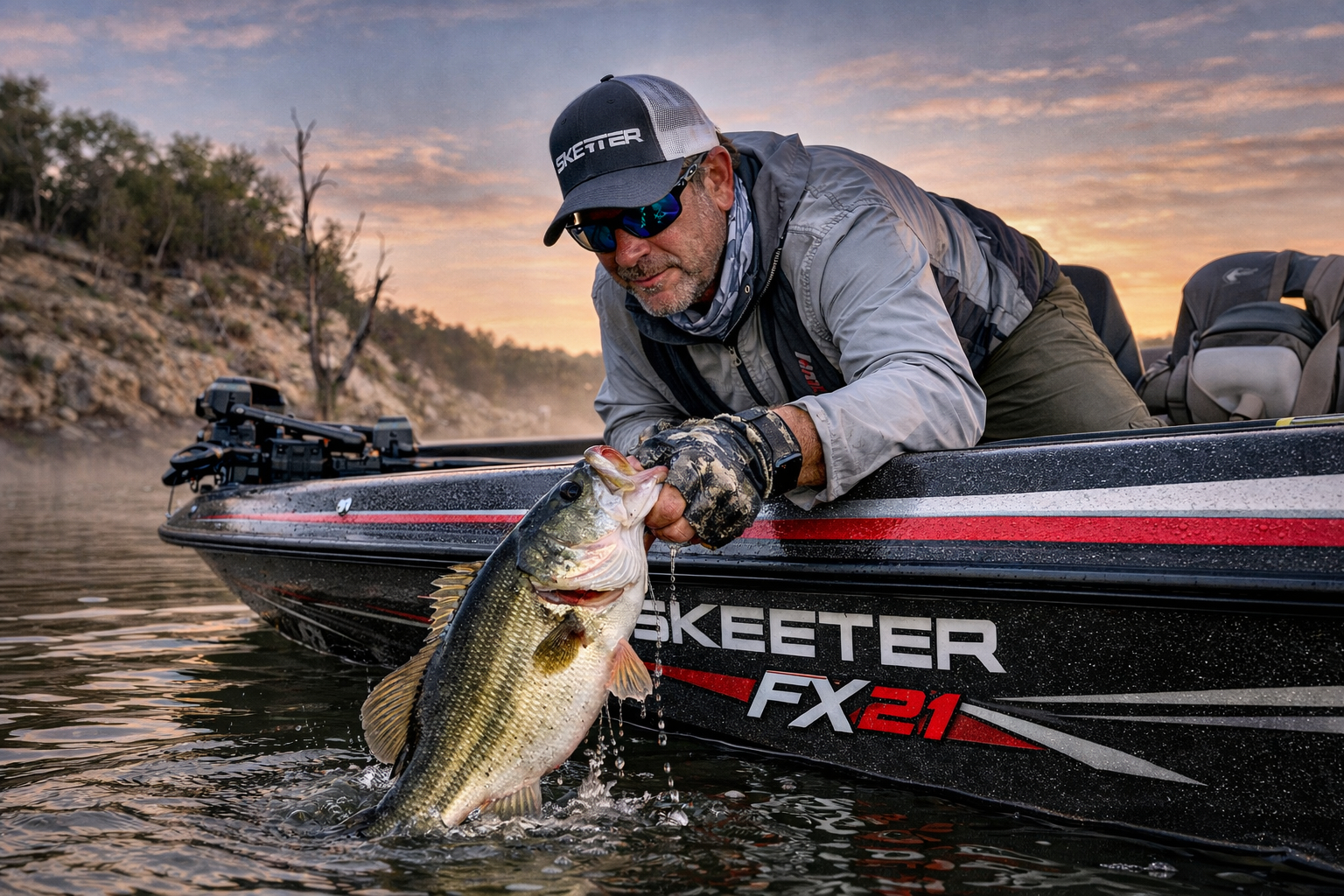
Always support bass by the lower jaw when lifting them for photos. Avoid placing fingers inside the gills or eye sockets, which can cause serious injury.
Large bass should also be supported under the belly to prevent jaw damage.
Remove Hooks Carefully
Use pliers or a hook remover when necessary. If the hook is deeply embedded, cutting the line close to the hook may be better than causing additional damage.
Release Fish Gently
Lower the bass into the water and allow it to swim away under its own power.
If the fish appears tired, hold it upright in the water and move it gently back and forth to push water across its gills until it regains strength.
Catch and Release from Bass Boats
Modern bass boats have made catch and release easier than ever.
Livewells allow anglers to temporarily hold fish in aerated water while preparing for photos or during tournaments.
Proper livewell management includes:
- Keeping water fresh and well-oxygenated
- Avoiding overcrowding
- Using livewell additives when necessary
- Minimizing the time fish remain confined
Tournament anglers often go to great lengths to ensure fish remain healthy until weigh-in.
This commitment to conservation has helped shape the culture of modern bass fishing.
Catch and Release When Fly Fishing for Bass
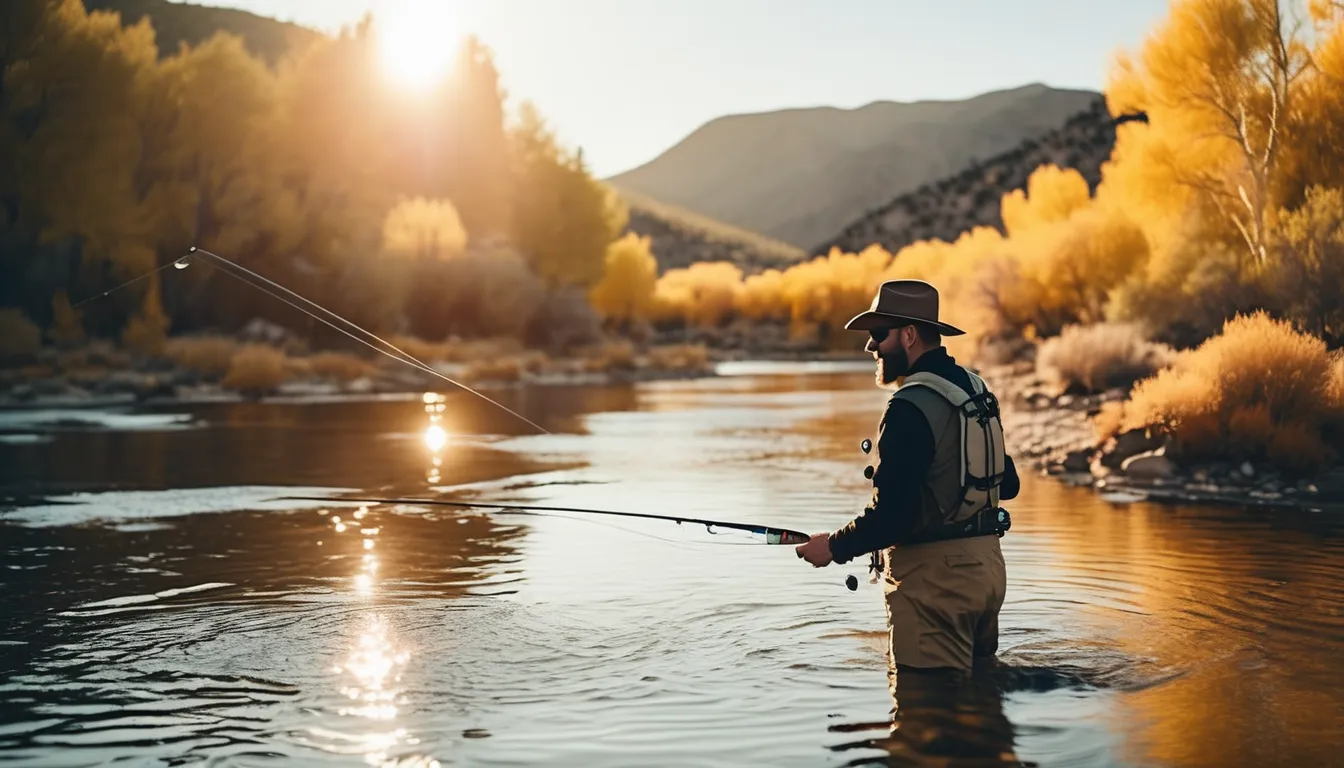
Fly anglers have long practiced catch and release, especially in trout fisheries. That tradition carries naturally into bass fishing.
Fly-caught bass often experience less stress because:
- Flies typically use smaller hooks
- Fish are fought on lighter tackle but usually landed quickly
- Fly anglers often fish shallow water where bass recover quickly
Barbless hooks are particularly helpful for quick releases, allowing fish to be unhooked with minimal handling.
Many anglers who pursue bass on fly rods release nearly every fish they catch.
Seasonal Considerations for Releasing Bass
Spring Spawning Season
During spring, bass move into shallow water to spawn.
Males guard nests while females recover from laying eggs.
Removing a male bass from a nest even for a short time can allow predators such as bluegill to eat the eggs. For that reason, anglers should release spawning bass quickly and close to the capture location.
Summer Heat
Hot water contains less oxygen, making fish more vulnerable to stress.
In extreme summer heat, anglers should:
- Reduce handling time
- Avoid prolonged photo sessions
- Release fish immediately after landing
Winter Fishing
Cold water slows a bass’s metabolism, which often means fish recover quickly after release.
However, anglers should still handle fish carefully to avoid injury.
Catch and Release and Trophy Bass Lakes
Several Texas reservoirs have become famous for producing enormous bass.
Lakes such as:
- Lake Fork
- Sam Rayburn Reservoir
- O.H. Ivie Lake
- Falcon Lake
- Amistad Reservoir
These lakes consistently produce bass over 10 pounds, and occasionally fish exceeding 13 pounds.
Many of these trophy fish exist today because anglers made the decision to release them.
The continued success of Texas bass fisheries is proof that conservation works.
The Ethics of Catch and Release
Catch and release is not simply about following regulations.
It reflects a broader outdoor ethic built on respect for wildlife and natural resources.
Responsible anglers consider questions such as:
- Is this fish worth more alive than harvested?
- Will releasing it improve the fishery?
- Am I handling it in a way that ensures survival?
Most experienced bass fishermen develop an instinct for these decisions over time.
They may keep a few smaller fish for the table while releasing larger breeding fish.
That balance reflects the traditional values of sportsmanship and stewardship.
Teaching the Next Generation
Perhaps the greatest legacy of catch and release is the example it sets for younger anglers.
When children watch a large bass swim away after being caught, they learn an important lesson about conservation.
They begin to understand that fishing is not only about catching fish but also about protecting the waters that make those experiences possible.
Those lessons ensure that Texas bass fishing will remain strong long into the future.
The Future of Texas Bass Fishing
 Thanks to decades of conservation efforts, Texas remains one of the world’s premier bass fishing destinations.
Innovations in fisheries management, stocking programs, and habitat restoration continue to improve bass populations statewide.
But the most important factor may still be the everyday decisions made by anglers on the water.
Each time a fisherman releases a healthy bass back into the lake, he contributes to the future of the fishery.
That bass may grow larger, spawn again, and someday provide another unforgettable moment for someone else.
In that sense, catch and release is not just about conservation.
It is about continuing the story of bass fishing in Texas.
Final Cast
Bass fishing in Texas has always been about more than filling a stringer.
It is about sunrise on a quiet reservoir, the sudden strike of a fish beneath a lily pad, and the powerful surge of a largemouth bending a rod toward the water.
Catch and release ensures those moments remain possible.
By handling fish carefully and returning them to the lake, anglers help preserve the very thing they love.
And somewhere beneath the surface, a big Texas bass swims away, perhaps a little wiser, waiting for the next cast.

0 Comments