
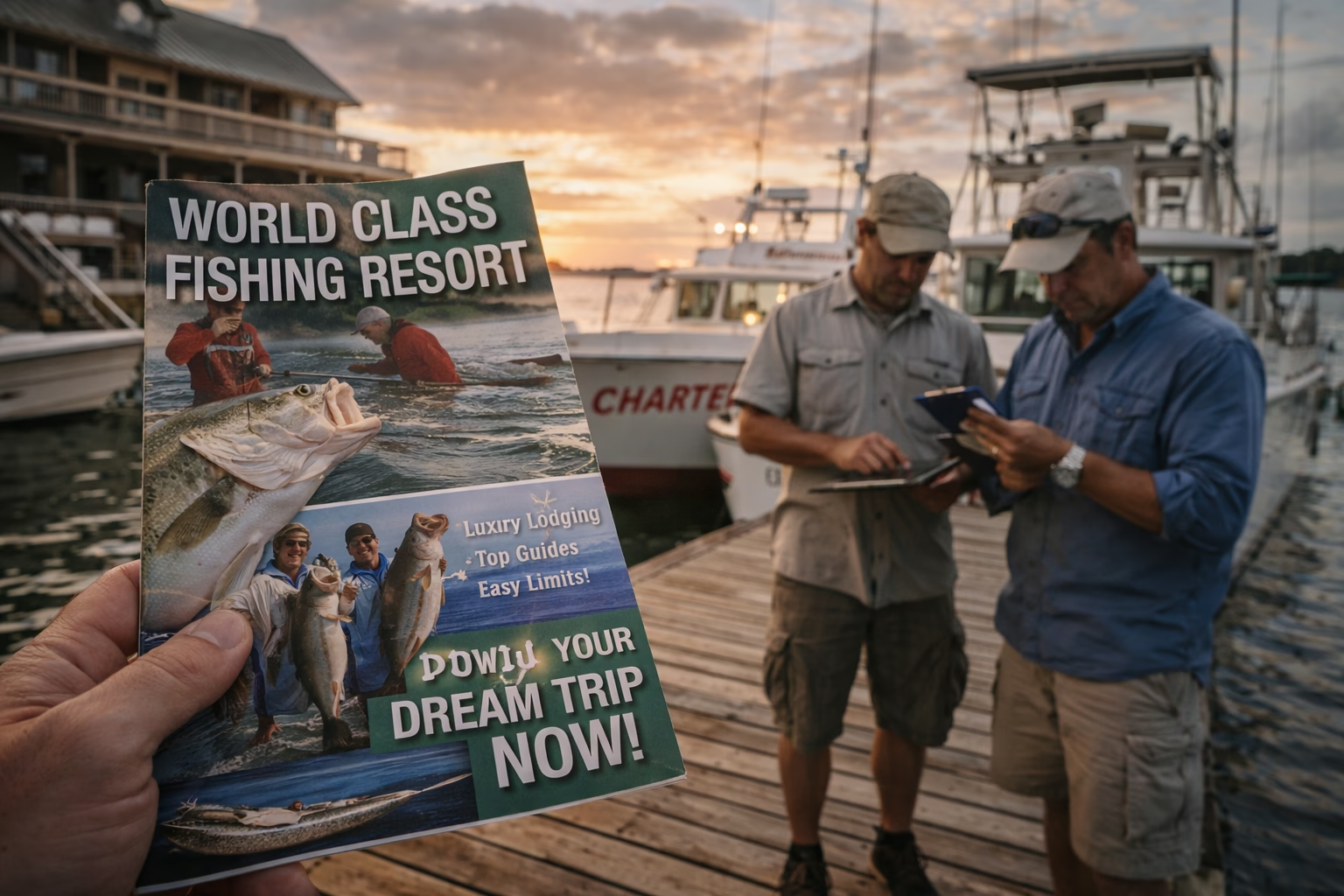
Fishing Resort Exposé: What They Don’t Put in the Brochure
Every fishing trip starts the same way—high hopes, fresh line, and visions of bent rods and full coolers. But somewhere between the glossy brochure and the first cast, reality can set in.
And sometimes, it sets in hard.
Fishing lodges and resorts promise the experience of a lifetime, and many deliver. But like anything else in the outdoors business, not all operations are cut from the same cloth. A little homework on the front end can mean the difference between a trip you’ll talk about for years—and one you’d just as soon forget.
Start with the most important question of all: where are the fish?
Location isn’t everything, but in fishing, it’s about as close as you can get. Some lodges are tied to fixed locations that may have produced great fishing years ago but have since declined. Fish populations shift. Pressure builds. Patterns change. Yet some resorts continue to market the same waters at premium prices, long after the bite has slowed to a crawl.
Even so-called “floating lodges” aren’t always as mobile as advertised. While they may sit on barges, suitable lease space can be hard to come by. In many cases, these operations end up anchored in the same waters season after season—whether the fish are there or not.
Then there’s the matter of guides.
A good guide can make a tough day fishable. A poor one can make a good fishery feel empty. In areas where fishing has declined, the best guides tend to move on, chasing better opportunities elsewhere. What’s left behind can be a revolving door of inexperienced or underqualified help. High turnover often leads to inconsistent trips, and in the worst cases, a guide who hasn’t yet learned when to grind it out—or when to pick up and go find fish.
There’s also a harder truth that doesn’t get talked about much around the dock: professionalism matters. While most guides take pride in their work, some operations tolerate behavior that wouldn’t pass muster anywhere else. Early mornings, long days, and a hard-living culture can catch up with a few, and it’s the customer who ends up paying the price.
That doesn’t mean the whole industry should be painted with the same brush. Far from it.
There are outstanding lodges and top-tier guides who work tirelessly to put their clients on fish and deliver a first-class experience. The key is knowing how to separate the two. Ask questions. Read reviews. Pay attention to details like seasonal catch rates, average fish size, and how often trips produce consistent results—not just highlight-reel days.
It’s also worth considering alternatives.
Charter operations, for example, often have the advantage of mobility. Unlike fixed lodges, they can follow the fish—adjusting to conditions and staying on productive water. Many offer a lodge-like experience without the limitations that come with being anchored to one spot.
In the end, no two trips—or anglers—are the same. Expectations vary. So do fisheries.
But the best trips tend to have one thing in common: they’re built on good information and honest answers.
Because when you step onto that dock, rod in hand, you’re not just buying a trip.
You’re buying a chance at a memory.
And that’s worth doing your homework for.

0 Comments