

A Practical Guide to Catching More Largemouth from Sam Rayburn to Toledo Bend
Spinnerbaits have been catching largemouth bass on Texas lakes for generations. Long before the modern explosion of specialty lures, fancy electronics, and endless color patterns, the humble spinnerbait quietly built its reputation as one of the most dependable bass-catching tools ever tied to a fishing line.
Across legendary waters like Sam Rayburn Reservoir, Toledo Bend, Lake Fork, Falcon Lake, and Lake Amistad, anglers have relied on spinnerbaits to find and trigger aggressive bass in everything from flooded timber to wind-blown points.
For good reason.
A spinnerbait combines flash, vibration, and profile into a lure that bass can detect through their lateral line even in muddy water or heavy cover. Few lures can be fished through brush, grass, and timber with so little risk of snagging while still producing violent strikes.
For Texas anglers, mastering the spinnerbait is almost a rite of passage.
This guide will walk through everything you need to know about fishing spinnerbaits effectively on Texas lakes, including:
- Understanding spinnerbait design
- Selecting the right blades and colors
- Choosing the proper tackle
- Seasonal spinnerbait strategies
- Where bass hold on Texas reservoirs
- Proven retrieves that trigger strikes
If you learn to fish a spinnerbait well, you will always have a dependable tool in your tackle box capable of catching bass almost anywhere in Texas.
Understanding the Spinnerbait
At first glance, a spinnerbait looks simple. But its design contains several components working together to imitate baitfish and trigger bass to strike.
A typical spinnerbait consists of:
Wire Frame
The bent wire arm forms the backbone of the lure. The lower arm holds the hook and skirt while the upper arm holds the spinning blades.
Blades
These rotate during the retrieve and create flash and vibration.
Skirt
Usually made of silicone or rubber strands that pulse and flare as the bait moves through water.
Head and Hook
The weighted head helps control depth while the single hook rides upright, making spinnerbaits highly weedless.
Because the hook points upward, spinnerbaits can be fished through brush piles, flooded timber, hydrilla, and shoreline vegetation where many other lures constantly snag.
That single design advantage is one reason spinnerbaits have remained a Texas bass fishing staple for decades.
Choosing the Right Spinnerbait Blade
The blades are what make a spinnerbait come alive in the water. They create vibration and flash that bass detect from a distance.
There are three primary blade styles.
Colorado Blade
The Colorado blade is round and deeply cupped.
Characteristics:
- Heavy vibration
- Slower rotation
- Excellent in muddy water
- Ideal for night fishing
On Texas lakes after a rain or when wind muddies the shoreline, a single Colorado blade spinnerbait becomes extremely effective.
Lakes like Sam Rayburn and Toledo Bend often experience stained water during spring storms. In these conditions bass rely heavily on vibration rather than sight.
Colorado blades shine here.
Willow Leaf Blade
 The willow leaf blade is long and narrow.
Characteristics:
- Maximum flash
- Less vibration
- Faster retrieve speed
- Ideal for clear water
Many Texas reservoirs such as Amistad, Falcon, and Lake Travis have relatively clear water where bass feed heavily on shad.
Double willow blade spinnerbaits imitate schooling baitfish extremely well in these conditions.
Indiana Blade
The Indiana blade falls between Colorado and Willow.
Characteristics:
- Moderate vibration
- Moderate flash
- Versatile in many water conditions
While not as common today, Indiana blades remain an excellent compromise when bass want both flash and vibration.
Best Spinnerbait Colors for Texas Lakes
Texas bass anglers have experimented with thousands of color combinations over the years, but a few stand out as consistent producers.
Chartreuse and White
This may be the most reliable spinnerbait color ever created.
It imitates shad, perch, and other baitfish common in Texas reservoirs.
Works best in:
- Slightly stained water
- Windy conditions
- Spring and fall
White and Silver
A classic shad imitation.
Best used in:
- Clear water
- Schooling bass
- Open water baitfish activity
Chartreuse and Black
Excellent in muddy water where visibility is low.
The darker profile helps bass locate the lure more easily.
Blue and White
Effective when bass are feeding heavily on threadfin or gizzard shad.
Particularly useful on large reservoirs like Lake Texoma and Sam Rayburn.
Best Spinnerbait Weights
Spinnerbaits commonly come in three main weights.
1/4 Ounce
Best for:
- Shallow water
- Slow retrieves
- Fishing around shoreline cover
Great during the spring spawn when bass move into shallow areas.
3/8 Ounce
The most versatile spinnerbait size.
Works well for:
- Most depths
- Covering water quickly
- Fishing points and shorelines
Many experienced Texas anglers tie on a 3/8 oz spinnerbait first when searching for fish.
1/2 Ounce
Best for:
- Deeper water
- Windy conditions
- Faster retrieves
Heavier spinnerbaits maintain depth better and allow anglers to cover large areas efficiently.
Best Spinnerbait Rod, Reel, and Line
Choosing the right equipment helps maximize hooksets and landing percentages.
Rod
A 6'10" to 7'3" medium-heavy rod works best.
The rod should have:
- Enough backbone to drive the hook
- Slight tip flex to absorb strikes
Graphite rods are common, though many anglers prefer composite rods for their forgiving action.
Reel
A 6.3:1 to 7.1:1 baitcasting reel is ideal.
This retrieve speed allows anglers to vary presentation while maintaining good control.
Line
Most Texas spinnerbait anglers rely on:
15–20 lb fluorocarbon or 17–20 lb monofilament
Heavy line allows fishing in:
- Timber
- Brush piles
- Hydrilla
- Laydowns
Where to Fish Spinnerbaits on Texas Lakes
Spinnerbaits truly shine around cover and structure.
Some of the best locations include:
Wind-Blown Points
Wind pushes baitfish toward structure.
Bass often stack up on these points waiting for easy meals.
A spinnerbait retrieved across a windy point often produces explosive strikes.
Flooded Timber
Texas reservoirs like Sam Rayburn and Toledo Bend contain vast forests of submerged timber.
Spinnerbaits can be worked around these trees without snagging.
Slow roll the bait along the trunks where bass often suspend.
Grass Lines
Hydrilla and milfoil beds hold large numbers of bass.
Retrieve spinnerbaits along the outer edge of grass lines where bass ambush prey.
Laydown Trees
Fallen trees create shade and cover.
Cast past the laydown and retrieve the spinnerbait parallel to the trunk.
Many strikes occur as the bait deflects off branches.
Shallow Flats
During spring and fall bass roam shallow flats chasing baitfish.
Spinnerbaits allow anglers to cover these areas quickly.
Proven Spinnerbait Retrieval Techniques
The retrieve is where spinnerbait fishing becomes an art form.
Small variations can trigger strikes from otherwise inactive bass.
The Steady Retrieve
The simplest method.
Cast the spinnerbait and retrieve at a steady speed just fast enough to keep the blades turning.
Best used when bass are actively feeding.
Slow Rolling
This technique excels in cooler water.
Allow the spinnerbait to sink near the bottom and retrieve slowly so the blades rotate just above the structure.
Excellent during winter and early spring.
Burning the Spinnerbait
Burning means retrieving the lure very quickly just below the surface.
This technique triggers reaction strikes when bass are chasing baitfish.
Best used during fall feeding frenzies.
Bumping Cover
Allow the spinnerbait to make contact with:
- Stumps
- Rocks
- Timber
- Brush
The deflection often triggers bass to strike instinctively.
Stop-and-Go Retrieve
Occasionally pause the spinnerbait during retrieve.
The blades flutter as the bait falls, imitating an injured baitfish.
Many strikes occur at this moment.
Seasonal Spinnerbait Strategies for Texas
Texas bass behavior changes throughout the year. Spinnerbait techniques should adjust accordingly.
Winter (December – February)
Water temperatures drop and bass slow down.
Best approach:
- Slow roll spinnerbaits
- Use Colorado blades
- Fish deeper structure
- Focus on channel swings and points
Spring (March – May)
This is prime spinnerbait season.
Bass move shallow to spawn and aggressively protect nests.
Target:
- Shorelines
- Shallow flats
- Flooded brush
Retrieve speed can be moderate to fast.
Summer (June – August)
Bass move deeper but still feed actively early and late in the day.
Best areas:
- Grass lines
- Offshore humps
- Main lake points
Early morning spinnerbait fishing around shad schools can be extremely productive.
Fall (September – November)
Fall is one of the most exciting times for spinnerbait fishing.
Shad migrate into creeks and bass follow.
Fast retrieves and double willow blade spinnerbaits excel during this time.
Spinnerbait Trailers and Trailer Hooks
 Adding a trailer can enhance spinnerbait performance.
Common trailer choices include:
- Soft plastic swimbaits
- Curly tail grubs
- Split tail trailers
These increase profile and vibration.
A trailer hook also improves hookup ratios when bass strike short.
Why Spinnerbaits Still Catch Big Texas Bass
Despite the flood of modern lure designs, spinnerbaits remain one of the most dependable bass lures ever created.
They combine:
- Flash
- Vibration
- Weedless design
- Versatility
Few lures allow anglers to fish so efficiently across such a wide variety of conditions.
From the timber forests of Sam Rayburn to the rocky shorelines of Lake Amistad, spinnerbaits continue to produce bass year after year.
For many Texas anglers, the thump of a spinnerbait blade and the sudden jolt of a bass strike remain one of the most satisfying sensations in fishing.
Final Thoughts
Learning to fish a spinnerbait effectively can dramatically improve your bass fishing success on Texas lakes.
By selecting the proper blade style, choosing the right colors, targeting productive structure, and adjusting your retrieve techniques, spinnerbaits can produce fish throughout the year.
Many experienced Texas anglers still keep a spinnerbait tied on at all times. It is often the first lure they reach for when searching new water or when conditions turn windy and cloudy.
Because when a largemouth bass decides to attack a spinnerbait, the strike is rarely subtle.
It is sudden, violent, and unforgettable.
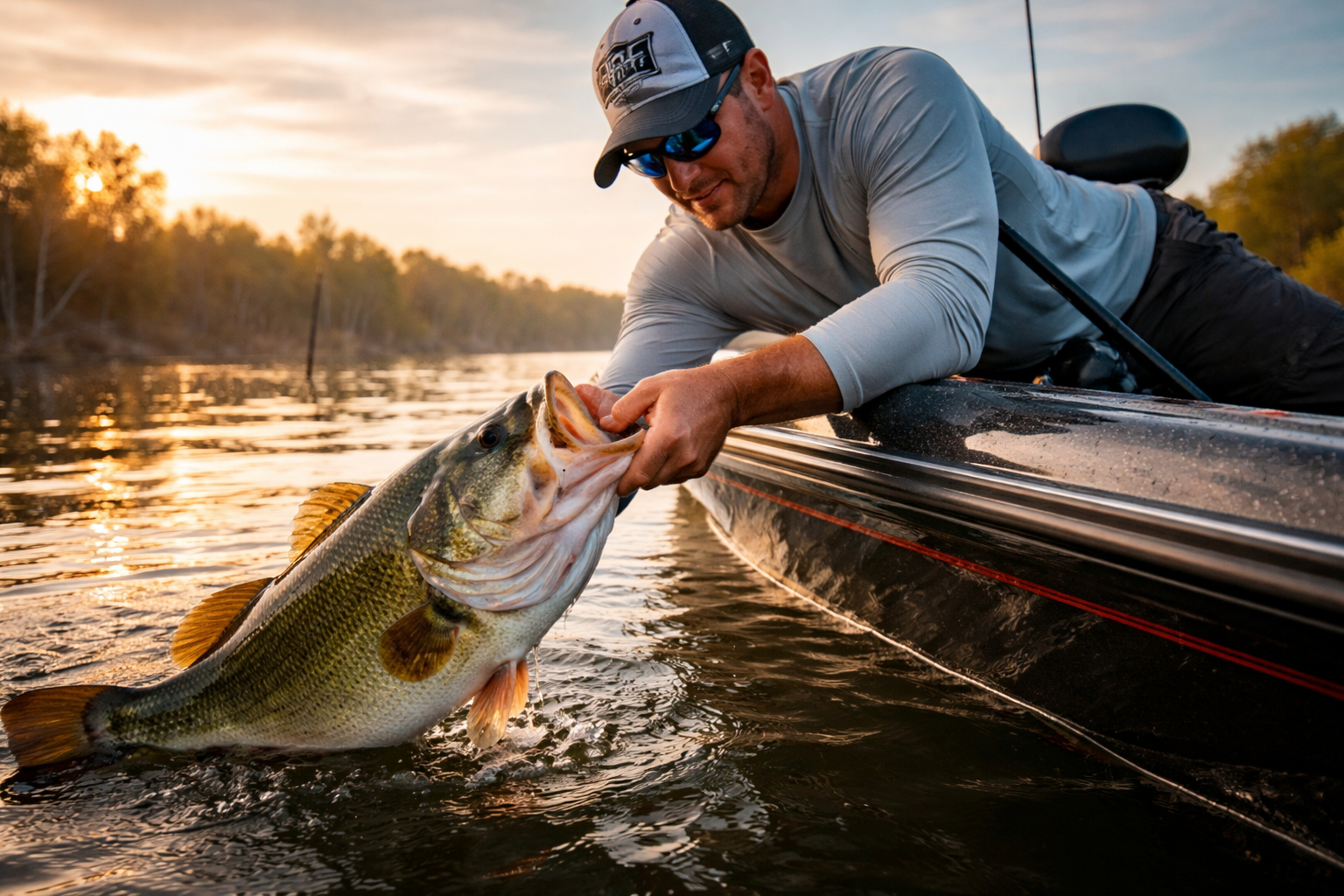
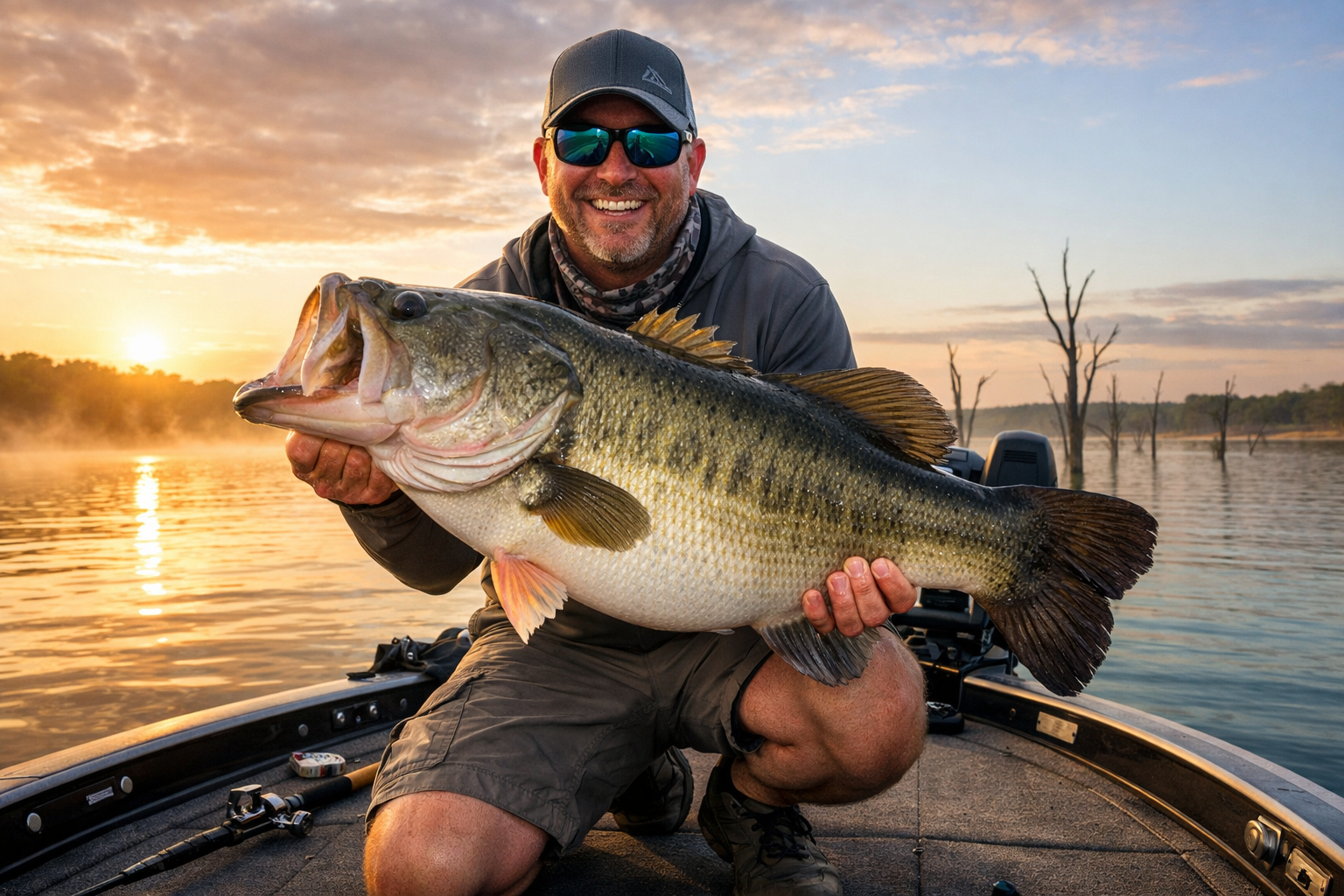
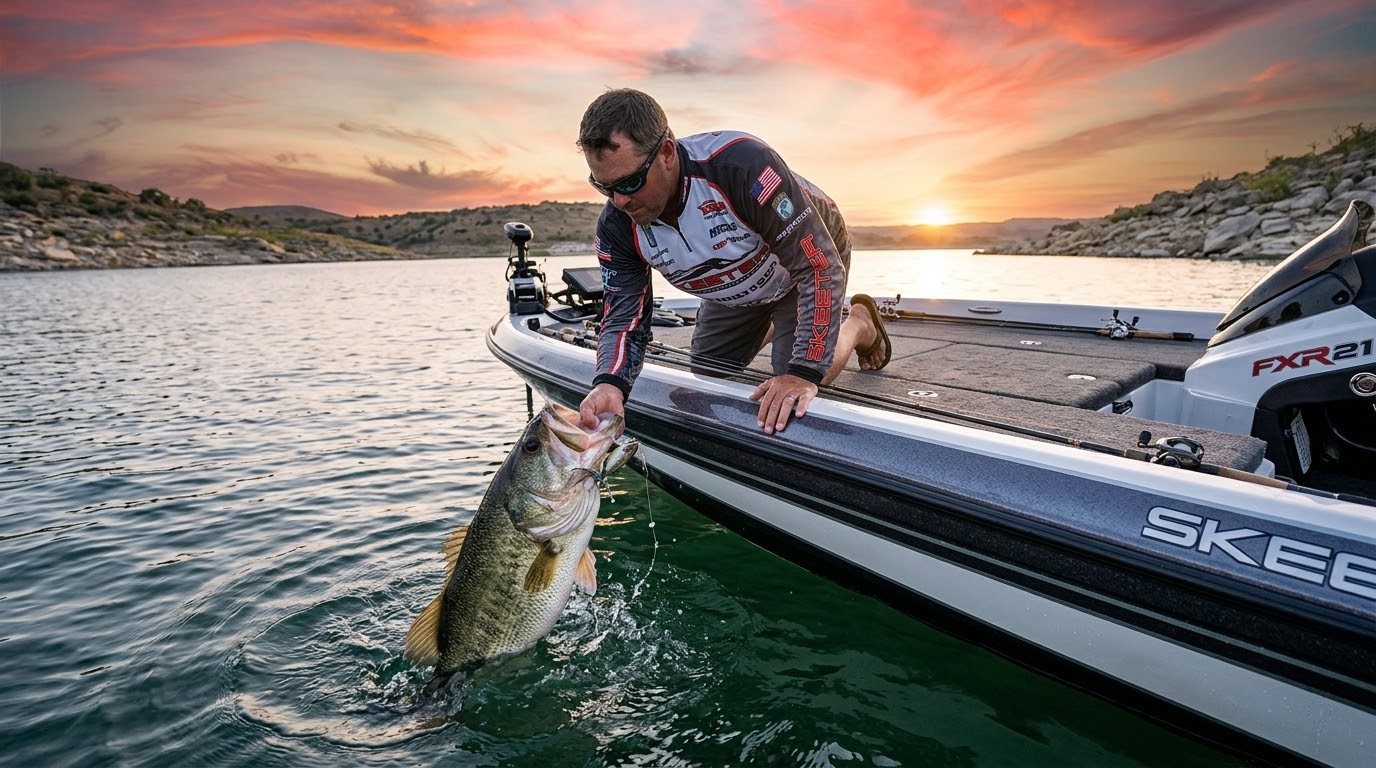
And that moment when the rod loads up and the water explodes beside the boat… well, that’s the kind of fishing memory that keeps anglers coming back to Texas lakes year after year.
0 Comments