
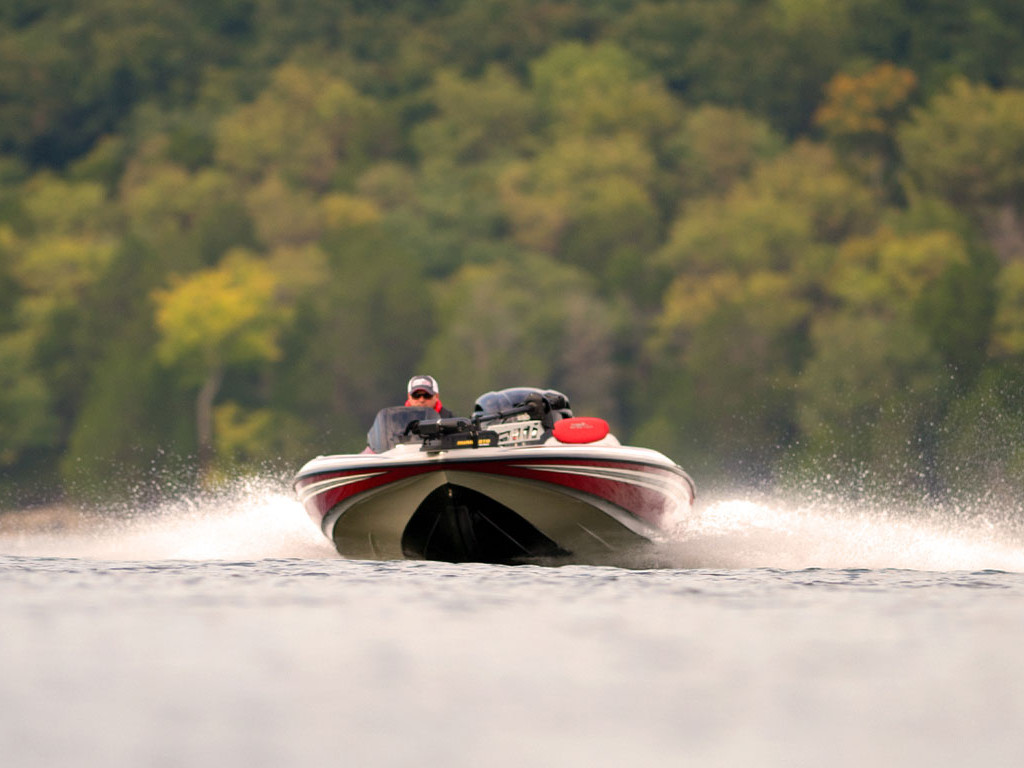
Ah, February on Toledo Bend. If there's a month that whispers promises of trophy largemouths staging up like old cowboys at a frontier saloon, it's this one. I'm Pat, pushing eighty now, with more wrinkles than a Kansas prairie after a drought, but let me tell you—those winters spent chasing bass in the crisp air remind me why I swapped ranch fences for rod racks long ago. Born on the Flint Hills where the wind howls like a banshee and the work never ends, I learned early that patience and persistence pay off, whether it's herding cattle or hooking a hawg. After journalism school in Houston, a stint wrenching planes and logging hours in the sky, building labs for eggheads, and even owning a fishing rag or two, I've come full circle to the simple thrill of a bent rod on big water. These days, Paulette and I split time between our Santa Fe adobe in summer—hiking those dusty trails under Wheeler Peak's shadow—and winters at Lake Mohave, where the smallmouth fight like they've got something to prove. But Toledo Bend? That's where my bass-fishing heart beats strongest, especially in February north of the Hwy 6 bridge, where the lake feels like a secret handshake between Texas and Louisiana.
Picture this: back in the '90s, I'd trailer my Skeeter up from Conroe, dodging Houston traffic like a slalom course, just to hit those northern bays when the water's still chilly enough to fog your breath but warming just right for pre-spawn magic. One trip, Paulette and I were bundled up against a norther that'd make a Flint Hills blizzard blush, and I hooked into a 9-pounder that danced like it owed me money. We laughed about it over campfire coffee, her teasing me that the fish was bigger than my ego. Southwestern life's taught me to appreciate these moments—dry as a bone, straightforward as a straightaway flight path, with a dash of humor to keep the chill at bay. If you're reading this, chasing that same rush, let's dive in. We'll cover locating those black bass (largemouth to you and me) north of Hwy 6, from San Miguel to San Patricio Bays, water temps, depths, patterns, lures, tackle, structures, safety in the cold, and even a yarn or two about rubbing elbows with locals in their pirogues on the Louisiana side. Grab your thermos; it's gonna be a ride.
The Lay of the Land: Why the North End in February?
Toledo Bend Reservoir—straddling Texas and Louisiana like a shared secret—is a beast at 65 miles long and over 180,000 acres. But the north end, above the Hwy 6 bridge (that's the Pendleton Bridge to locals), is where February shines. This area's got that Sabine River influence, with twisting channels, flooded timber, and shallow flats that warm quicker than the deeper south end. Water levels fluctuate, but in February, expect it around 167-171 feet—low enough to concentrate fish but high enough for safe navigation if you're careful with stumps.
Why February? Pre-spawn's kicking in. Bass are shaking off winter lethargy, bulking up for the spawn, and migrating from deep haunts to staging areas. Water temps hover 50-58°F, sometimes dipping to 49 or pushing 60 on warm spells. That's the sweet spot where they're active but not scattered. North warms first, drawing baitfish and bass into creeks and bays. It's not always easy—cold fronts can shut 'em down like a bad blind date—but when it clicks, you'll bag limits of 3-5 pounders, with shots at double-digits.
Cracking the Pre-Spawn Code: Patterns and Depths
In February, largemouth are in transition. They're leaving winter deep-water holds—river bends, humps, and channels in 15-25 feet—and staging in pre-spawn zones: mouths of creeks, drains, and ditches leading to spawning flats. Think funnels—bass filter through these highways, gorging on shad and crawfish before bedding.
Depths vary: early month or post-front, target 8-20 feet on points and ledges. As temps climb, they'll push shallower, 1-8 feet in buckbrush, grass edges, and stump fields. I've seen 'em stack in 4-8 feet on cloudy days, ambushing from cover. Use electronics—side-scan for schools, down-imaging for structure. Mark those creek swings; they're gold.
San Miguel Bay, just north of the bridge on the Louisiana side, is a hotspot. Its ditches lead to buckbrush flats, perfect for staging fish. Fish the outer edges in 5-10 feet early, then probe shallows as the day warms. San Patricio Bay nearby mirrors it—more wood, stumps in 3-5 feet. Low water exposes structure, but watch your prop; I've kissed a few logs in my day.
Prime Structures: Where the Bass Hide
Structure's king on Toledo Bend's north end. Focus on:
-
Creek Channels and Drains: Bass highways. Fish bends and intersections in 8-15 feet.
-
Points and Flats: Main lake points like Needmore or Farmers hold schools. Tick the moss tops in 3-10 feet.
-
Wood Cover: Stumps, laydowns, cypress trees. Pitch to 'em in 2-6 feet; they're ambush spots.
-
Buckbrush and Grass: Flooded brush warms fast. Work edges for pre-spawners.
-
River Bends and Humps: Deeper holds (15-25 feet) for lethargic fish post-front.
A table for quick reference:
|
Structure Type |
Depth Range |
Why It Works |
|---|---|---|
|
Creek Channels |
8-20 ft |
Migration routes, bait concentration |
|
Points |
5-15 ft |
Staging areas, current breaks |
|
Stumps/Wood |
2-8 ft |
Ambush cover, warmth |
|
Buckbrush |
1-6 ft |
Pre-spawn bedding prep |
|
Humps |
12-25 ft |
Deep refuge during colds |
Humor me: fishing these is like herding cats on a ranch—unpredictable, but find the right corral (structure), and you've got 'em.
Lures and Tackle: Tools of the Trade
February calls for reaction baits to trigger strikes, mixed with finesse for picky fish.
Best Lures:
-
Rat-L-Trap (1/2-3/4 oz): Red, crawfish, chrome. Yo-yo over moss or rip through grass. Killer on overcast days.
-
Chatterbaits: Black/blue, white/chartreuse. Slow-roll in 4-8 feet.
-
Carolina Rig: Lizard in watermelon/red. Drag deep points.
-
Jigs: 1/2-3/4 oz black/blue with craw trailer. Flip wood.
-
Spinnerbaits: Slow-roll red craw or chartreuse.
-
Squarebills/Cranks: Craw patterns for shallow structure.
Tackle Setup:
-
Rod: 7' medium-heavy casting for traps/jigs; 7'6" heavy for rigs.
-
Reel: 6.3:1 gear ratio for control.
-
Line: 12-20 lb fluorocarbon; braid in heavy cover.
I've rigged more outfits than a pilot checks instruments—keep it simple, but versatile.
Techniques: Slow and Steady Wins the Bass
Slow your roll—bass metabolism's down. Cast, let sink, retrieve steadily. For traps: count to 3-4, reel slow, tick grass. Jigs: hop bottom. Rigs: drag patiently.
Fan cast points, parallel drains. Early/late: shallows. Midday: deeper. Windy? Use it—bass activate.
Cold Weather Safety: Don't Be a Fool on the Water
February's chill ain't no joke; I've flown in worse, but water's unforgiving. Dress in layers: base wicking, mid fleece, outer waterproof. Gloves, hat, neck gaiter. PFD always—cold water shocks fast. Tell folks your plan, return time. Buddy system best. Hypothermia sneaks up like a coyote—warm drinks, no cotton.
Encounters with Locals: Pirogues and Cajun Charm
Ah, the Louisiana side—where bayous whisper secrets and folks in pirogues glide like ghosts. North of Hwy 6, you'll spot 'em: flat-bottomed canoes, poled through shallows, checking lines or netting bait. Cajuns, hardy as Flint Hills sod, with stories thicker than gumbo.
One foggy morn in San Miguel, I idled past an old-timer in his pirogue, lines dangling. We nodded, swapped tales—he from generations of trappers, me a Kansas transplant. "Dat bass, dey hidin' in de ditch," he drawled, pointing with a paddle. Respect their space; they're stewards of this water. Wave, share a laugh—it's the Southwestern way, dry wit over damp air. Might learn a hotspot or two.
Pirogues struggle to stay afloat in modern Cajun life.
Wrapping Up: The Lure of Toledo Bend
There you have it—locating bass on Toledo Bend's north end in February ain't rocket science, but it's an art honed over decades. From pre-spawn patterns in San Miguel and San Patricio to ticking stumps with a Trap, it's about reading the water like a good book. Tie in safety, respect for locals, and you've got a recipe for memories.
These days, as I frame shots of Southwest wildlife—elk in Moreno Valley, eagles over Mohave—I reflect on how bass fishing taught me to appreciate the chase. Paulette and I built that Angel Fire log home in 2000, overlooking Wheeler Peak and Eagle Nest Lake, but moved to Santa Fe in 2017 for milder winters. Still, Toledo calls. Head up there, Pat's orders. Might catch a lunker; definitely catch some peace. Tight lines, friends.
0 Comments