
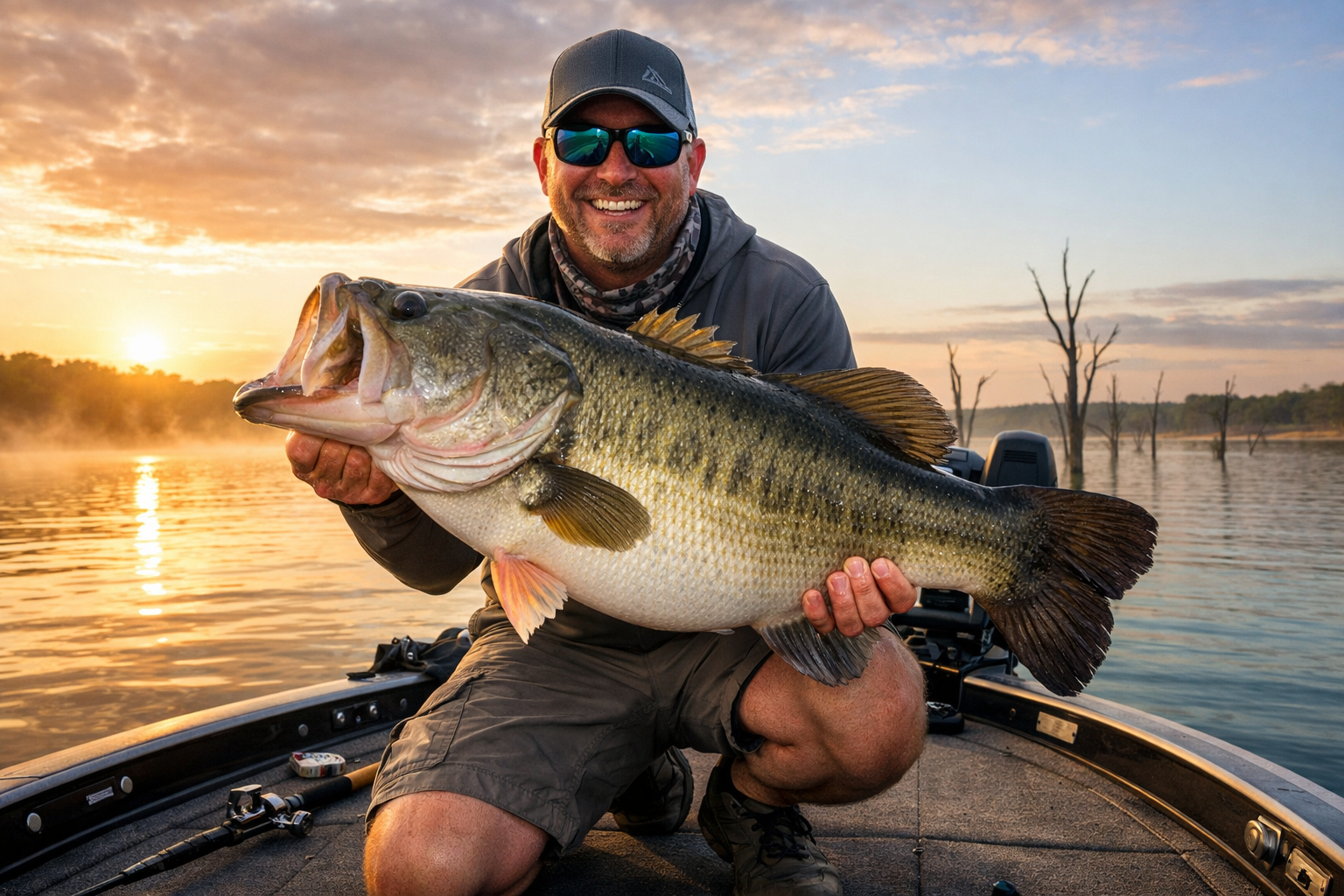
Few lakes in America have exploded onto the trophy bass scene like Lake O.H. Ivie in West Texas. Over the past several years, this rugged reservoir along the Colorado and Concho Rivers has quietly transformed into one of the most productive big-bass fisheries in the country. Anglers now travel from across the United States hoping to catch the fish of a lifetime.
At conservation pool the reservoir covers about 19,000 acres, with a maze of river channels, rocky points, standing timber, flooded brush, and submersed vegetation that create ideal habitat for largemouth bass.
The lake’s reputation is well deserved. In recent years it has produced dozens of bass over 13 pounds, making it one of the nation’s premier trophy bass destinations.
In this guide we’ll explore productive strategies for targeting trophy largemouth bass on the Colorado River arm of Lake O.H. Ivie, including:
- Seasonal bass patterns
- Structure and vegetation to target
- Best lures, sizes, and colors
- Rod, reel, and line recommendations
- Presentation techniques used by successful anglers
This article is optimized for the keyword “Lake O.H Ivie trophy bass fishing.”
Why Lake O.H. Ivie Produces Giant Bass
O.H. Ivie sits east of San Angelo where the Colorado River and Concho River meet, forming a fertile desert reservoir with remarkable bass growth rates.
Several factors combine to create its trophy reputation.
Exceptional Genetics
The Toyota ShareLunker program has stocked and selectively bred Florida-strain largemouth bass in Texas for decades. O.H. Ivie has benefited tremendously from these genetics and has produced numerous ShareLunker entries over 13 pounds.
Fertile River Habitat
The Colorado River arm provides:
- nutrient inflow
- baitfish concentration
- vegetation growth
- spawning habitat
All of which contribute to rapid bass growth.
Ideal Structure
The river arm is filled with:
- standing timber
- submerged brush
- flooded saltcedar
- rocky ledges and bluffs
These features create classic ambush points for big bass.
Record Fish
Recent lake records include:
- 14.52 lb largemouth bass recorded by Texas Parks & Wildlife in 2025.
- Numerous fish exceeding 13 pounds, qualifying for the ShareLunker program.
It’s no surprise many anglers now refer to O.H. Ivie as a “big bass factory.”
Understanding the Colorado River Arm
The Colorado River arm is arguably the most consistent area of the lake for giant bass.
Key Features
- River channel bends
- Submerged timber fields
- Rocky bluffs and ledges
- Flooded mesquite and saltcedar
- Shallow spawning flats
The river channel acts like a highway where bass travel between deep summer structure and shallow spawning areas.
Big bass rarely roam randomly. They prefer locations where deep water meets feeding structure.
Essential Tackle for Lake O.H. Ivie Trophy Bass
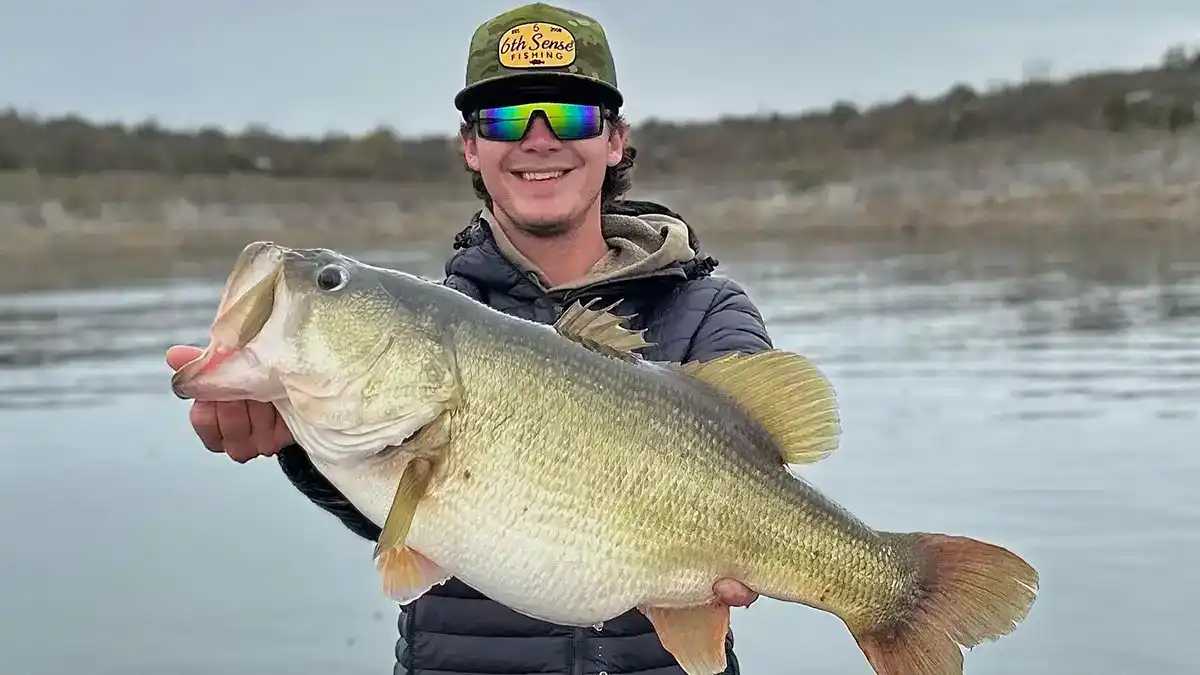 Catching a double-digit bass requires serious gear.
Rods
Recommended setups:
Heavy Jig / Texas Rig Rod
- 7’3” – 7’6” Heavy power
- Fast action
- Ideal for jigs and big worms
Swimbait Rod
- 7’6” – 8’0” Heavy
- Moderate-fast action
- Designed for 1–4 oz swimbaits
Moving Bait Rod
- 7’ Medium-heavy
- Moderate action
- Ideal for crankbaits and chatterbaits
Reels
- High-speed baitcaster (7.1:1) for jigs and worms
- Mid-speed (6.3:1) for crankbaits
- Large spool reels for swimbaits
Reliable drag systems are essential when a 13-pound bass surges toward standing timber.
Line
Typical setups:
| Technique | Line |
|---|---|
| Texas rigs / jigs | 17–25 lb fluorocarbon |
| Swimbaits | 20–25 lb fluorocarbon |
| Topwater | 50–65 lb braid |
| Crankbaits | 12–15 lb fluorocarbon |
Fluorocarbon is favored because it sinks and transmits subtle bites.
Seasonal Trophy Bass Strategies
Understanding seasonal movement is the key to Lake O.H Ivie trophy bass fishing success.
Winter (December – February)
Winter may seem slow, but it is prime time for giant bass.
Water temperatures typically fall into the 50–58°F range, and bass often hold near deep structure before moving shallow.
Where to Look
- channel swings near spawning flats
- bluff walls
- submerged timber in 15–25 feet
- creek mouths along the river arm
Best Lures
- umbrella rigs
- big swimbaits
- jigging spoons
- football jigs
Umbrella rigs and swimbaits are particularly productive when targeting suspended bass.
Lure Colors
- shad
- pearl white
- natural bluegill
- green pumpkin
Presentation
Fish slowly and deliberately.
Winter bass prefer easy meals, so large baits retrieved slowly often attract trophy fish.
Spring (March – May)
Spring is when Lake O.H. Ivie truly shines.
During the spawn, giant female bass move shallow to protected areas along the Colorado River arm.
Key Areas
- flooded saltcedar
- shallow flats
- protected coves
- creek pockets off the river channel
Best Depth
3–6 feet of water is typical during prespawn and spawning periods.
Best Lures
- bladed jigs
- swim jigs
- weightless flukes
- Texas-rigged creature baits
These lures imitate shad and bluegill feeding around spawning beds.
Lure Sizes
- 4–6 inch soft plastics
- 3/8–1/2 oz jigs
Presentation
Work baits slowly around cover.
Many trophy fish bite when a lure enters their spawning territory.
Summer (June – August)
Summer heat pushes bass deeper into the Colorado River channel structure.
Key Locations
- ledges along the river channel
- deep brush piles
- submerged points
- standing timber edges
Depth Range
15–30 feet.
Productive Lures
- big crankbaits
- Texas-rigged 10–12 inch worms
- magnum football jigs
- flutter spoons
Lure Colors
- plum
- watermelon red
- green pumpkin
- chartreuse shad
Presentation
Use electronics to locate baitfish.
Then position the boat upstream and drag baits slowly along the bottom structure.
Big worms dragged across ledges have produced many double-digit bass.
Fall (September – November)
Fall brings shad migrations into the river arms.
Bass follow baitfish and feed aggressively before winter.
Best Areas
- creek channels
- main river channel edges
- shallow timber flats
Productive Lures
- lipless crankbaits
- squarebill crankbaits
- spinnerbaits
- topwater walking baits
Lure Colors
- chrome
- shad patterns
- white/chartreuse
Presentation
Fan-cast around bait schools.
Fast retrieves often trigger reaction strikes.
Aquatic Vegetation and Habitat
Vegetation plays an important role in O.H. Ivie’s bass fishery.
Biologists have documented submersed vegetation, flooded brush, and timber throughout the reservoir.
These habitats provide:
- shade
- oxygen
- baitfish protection
Large bass frequently patrol the edges of vegetation waiting to ambush prey.
Advanced Trophy Bass Techniques
Veteran anglers chasing giants on Ivie often rely on specialized tactics.
Big Swimbaits
Large swimbaits imitate stocked rainbow trout or gizzard shad.
Typical sizes:
- 6–8 inches
- 1–3 ounces
These baits specifically target bass over 8 pounds.
Forward Facing Sonar
Many anglers now use sonar to locate individual fish holding around:
- timber
- brush piles
- bait schools
Once located, a swimbait or jig can be precisely presented.
Structure Fishing
Big bass often relate to structure rather than shoreline cover.
Look for:
- underwater humps
- river ledges
- submerged roadbeds
Electronics make locating these features much easier.
Best Weather Conditions
Weather plays a significant role in trophy bass fishing.
Ideal Conditions
- cloudy days
- light wind
- warming trends in spring
Cold fronts can slow fishing temporarily, but large bass still bite when presentations are slow.
Safety and Conservation
Catch-and-release practices help maintain Ivie’s trophy bass fishery.
The ShareLunker program encourages anglers catching bass over 13 pounds to temporarily loan the fish to biologists for breeding programs.
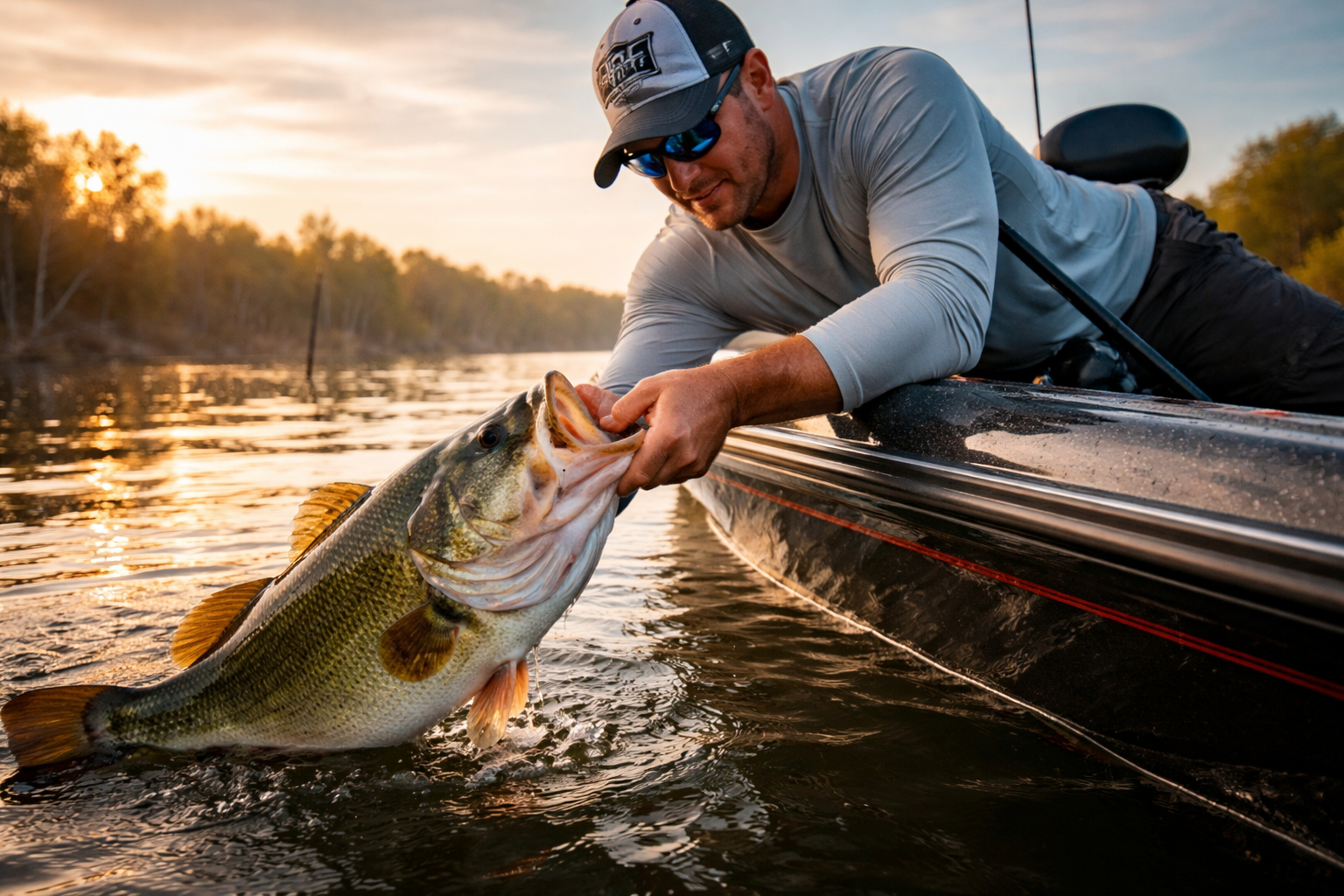
Proper fish handling ensures these giants continue to thrive.
Final Thoughts
The Colorado River arm of Lake O.H. Ivie is one of the most exciting places in America to pursue giant largemouth bass.
With fertile water, abundant forage, and exceptional genetics, this West Texas reservoir has become a legendary big-bass destination.
Success here depends on:
- understanding seasonal movements
- targeting river structure
- using big-fish lures
- employing heavy tackle
Anglers willing to learn the patterns and patiently work productive structure stand an excellent chance of catching a personal best largemouth.
For those who dream of holding a bass weighing ten pounds or more, Lake O.H Ivie trophy bass fishing offers one of the best opportunities anywhere in the country.
And on a quiet dawn along the Colorado River arm, when the desert sky turns copper and the water lies still as glass, every cast carries the possibility of the bass of a lifetime.


0 Comments