
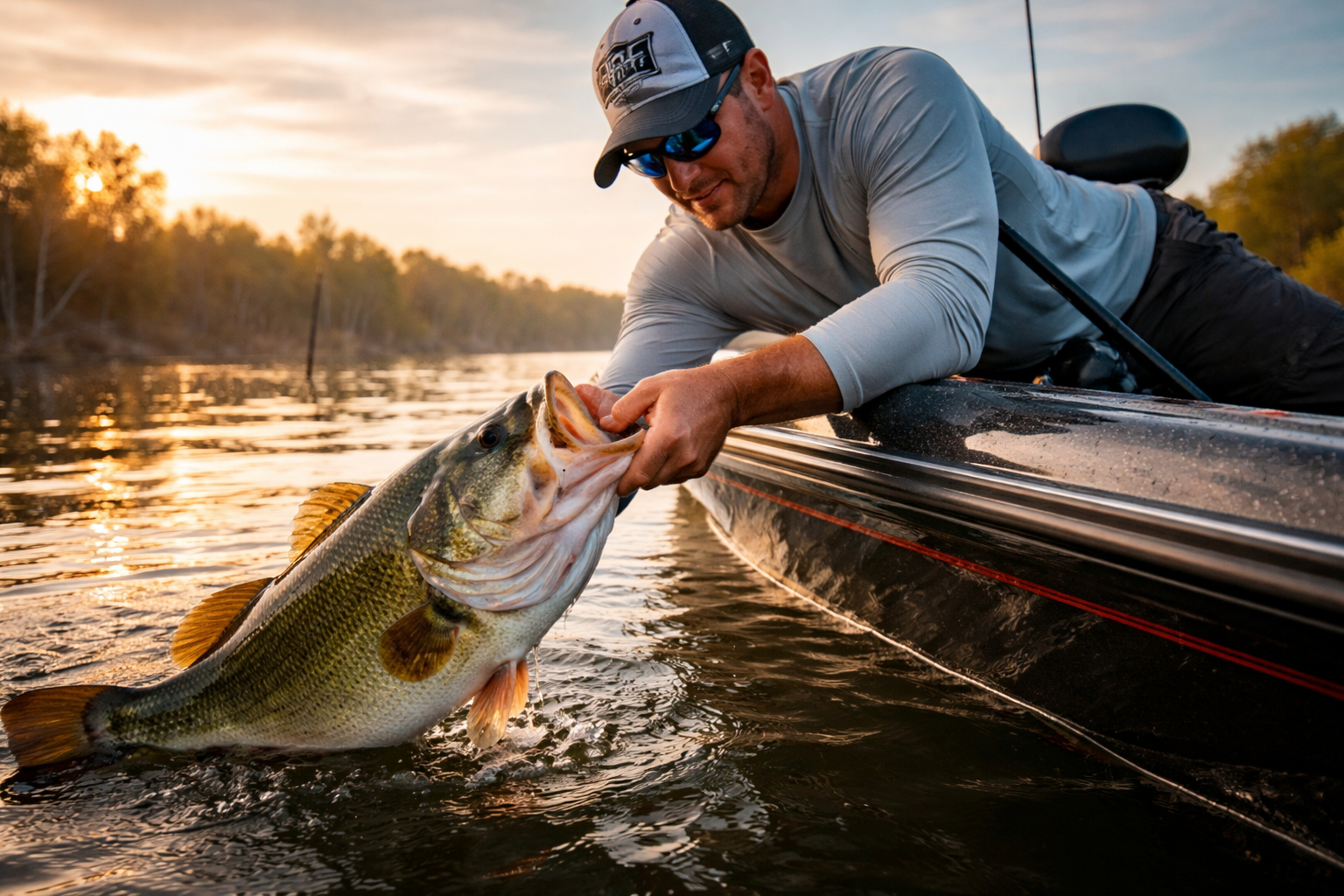
The Rise of a Texas Trophy Bass Factory
Over the past few years, Lake O.H. Ivie in West-Central Texas has quietly become one of the most productive trophy bass lakes in the United States. The reservoir has produced extraordinary numbers of giant largemouth bass through the Texas Parks and Wildlife ShareLunker program, including dozens of fish exceeding the coveted 13-pound “Legacy Class” mark.
Situated roughly 55 miles east of San Angelo, Lake O.H. Ivie was created in 1990 when the Colorado River and Concho River were impounded. The lake covers approximately 19,149 acres with depths reaching 119 feet, and its fluctuating water levels create extensive shoreline habitat ideal for largemouth bass.
Among all the areas on the lake, the Concho River Arm consistently produces outsized bass. With its mix of creek channels, submerged timber, flooded brush, and shallow spawning flats, it offers the perfect environment for growing giant Florida-strain largemouth bass.
If your goal is Lake O.H Ivie trophy bass fishing, the Concho River arm should be near the top of your list.
This guide covers:
-
Seasonal bass patterns on the Concho River arm
-
Aquatic vegetation and structure patterns
-
Proven lure choices, sizes, and colors
-
Presentation strategies
-
Rods, reels, and line recommendations
-
Record bass statistics and local insight
Whether you’re chasing a double-digit bass or simply want to understand how giants behave in this legendary fishery, the following strategies will dramatically improve your chances.
Understanding the Concho River Arm
River-Influenced Habitat
The Concho River arm differs from the main lake in several important ways.
Key features include:
-
Submerged river channel bends
-
Flooded mesquite and brush
-
Clay and rock ledges
-
Shallow flats near creek mouths
-
Standing timber
The water is often clearer in the Concho arm than the Colorado River arm, allowing bass to hunt effectively in moderate depths and encouraging strong aquatic vegetation growth.
Because of this clarity and structure combination, the Concho arm becomes a natural feeding corridor where trophy bass stage during multiple times of the year.
Forage Base
Large bass require abundant forage. O.H. Ivie supports strong populations of:
-
Threadfin shad
-
Gizzard shad
-
Sunfish
-
Crappie
-
Crawfish
Large gizzard shad especially contribute to the lake’s exceptional trophy potential. When bass grow beyond eight pounds, they frequently shift toward larger prey such as hand-sized shad and juvenile crappie.
Why Lake O.H. Ivie Produces Giant Bass
Several factors contribute to the lake’s remarkable trophy bass production.
Florida Strain Genetics
Texas Parks and Wildlife has stocked Florida-strain largemouth bass for decades. These fish grow larger than northern strains under ideal conditions.
ShareLunker Breeding Program
The ShareLunker program collects bass over 13 pounds during spawning season for breeding, helping propagate trophy genetics statewide.
Habitat Diversity
Flooded brush, timber, river channels, and vegetation offer ideal spawning and feeding habitat.
Rising Water Cycles
Water level fluctuations periodically flood shoreline vegetation, creating massive spawning nurseries for young bass.
Recent sampling even showed largemouth numbers at O.H. Ivie reaching the highest levels in several years following improved recruitment and vegetation growth.
Lake O.H. Ivie Bass Records
O.H. Ivie continues to produce enormous fish year after year.
-
Lake record largemouth bass: 14.52 pounds (2025)
-
Numerous ShareLunker bass exceeding 13 pounds annually
-
A massive 16.39-pound bass caught in 2025, among the largest in Texas history
Many of these trophy fish are caught in the river arms, where habitat complexity concentrates prey.
Seasonal Trophy Bass Strategies
To consistently catch giant bass, anglers must adapt techniques to seasonal movements. Bass behavior changes dramatically throughout the year.
Spring (February – April)
The Trophy Window
Spring is the most famous season for Lake O.H Ivie trophy bass fishing.
Water temperatures typically rise from 50°F to 65°F, triggering prespawn and spawning activity.
Recent TPWD fishing reports indicate bass moving shallow into 3–6 feet of water, biting swim jigs, bladed jigs, and weightless soft plastics during this period.
Key Locations
-
Secondary creek points
-
River channel swings near flats
-
Flooded brush
-
Gravel spawning banks
-
Shallow timber edges
The largest female bass stage along channel drops before moving shallow to spawn.
Best Lures
Swim Jigs
-
Size: 3/8 – 1/2 oz
-
Colors: White, shad, bluegill
-
Trailer: paddle-tail swimbait
Bladed Jigs (Chatterbaits)
-
Size: 1/2 oz
-
Colors: Green pumpkin, black/blue
Weightless Flukes
-
Colors: Pearl, Arkansas shiner
-
Hook: 4/0 EWG
Swimbaits
-
Size: 4–6 inches
-
Colors: Hitch, gizzard shad
Presentation
Slow rolling swim jigs through brush and timber often triggers violent strikes from prespawn females.
Large swimbaits along channel edges can tempt roaming giants feeding on shad schools.
Summer (May – August)
Deep Structure Patterns
When Texas summer heat arrives, bass retreat toward deeper water.
In the Concho River arm, trophy fish often hold around:
-
River channel bends
-
Submerged timber
-
Rock ledges
-
Deep brush piles
Depths typically range 15–30 feet.
Recent fishing reports note bass being caught 15–25 feet deep using swimbaits and umbrella rigs.
Best Lures
Carolina-Rigged Soft Plastics
-
Worms: 10–12 inches
-
Colors: Plum, watermelon red
Football Jigs
-
Weight: 3/4 oz
-
Colors: Green pumpkin, brown
Deep Diving Crankbaits
-
Depth: 15–20 ft
-
Colors: Chartreuse shad
Large Swimbaits
-
Size: 5–7 inches
Presentation
Dragging big worms slowly across ledges is a classic big-bass tactic.
Football jigs work well along rocky channel drops where crawfish thrive.
Fall (September – November)
Shad Migration
Fall brings cooling temperatures and massive baitfish migrations.
Threadfin shad move into shallow coves and creek arms, followed closely by bass.
Key fall locations include:
-
Creek channel flats
-
Wind-blown banks
-
Points near river channels
Best Lures
Lipless Crankbaits
-
Size: 1/2 oz
-
Colors: Chrome blue, shad
Spinnerbaits
-
Size: 1/2 oz
-
Colors: White/chartreuse
Squarebill Crankbaits
-
Depth: 3–6 ft
Topwater Walking Baits
-
Length: 4–5 inches
Presentation
Cover water quickly until baitfish schools are located.
Fall feeding activity can produce explosive topwater strikes during calm mornings.
Winter (December – January)
Big Bass Feeding Windows
Winter bass fishing at O.H. Ivie can produce giant fish for anglers willing to slow down.
Cold-water bass often suspend around:
-
Deep timber
-
Bluff walls
-
Channel edges
Water temperatures range from 45°F to 55°F.
Best Lures
Jerkbaits
-
Length: 4–5 inches
-
Colors: Ghost shad
Alabama Rigs
-
Small swimbaits attached
Blade Baits
-
Chrome finishes
Football Jigs
-
Brown or green pumpkin
Presentation
Long pauses with jerkbaits can trigger sluggish winter bass.
Slow vertical jigging works well around timber and deeper structure.
Aquatic Vegetation and Cover
Vegetation plays an increasingly important role in the lake’s productivity.
Common cover types include:
-
Pondweed
-
Hydrilla patches
-
Flooded mesquite
-
Brush piles
-
Standing timber
Vegetation provides:
-
Oxygen
-
Ambush cover
-
Forage habitat
Bass frequently position along vegetation edges where shad schools pass through.
Recommended Bass Fishing Gear
Serious trophy bass anglers typically rely on heavy-duty tackle.
Rods
-
Casting Rod: 7’3” – 7’6” heavy action
-
Crankbait Rod: 7’ medium-heavy moderate
-
Swimbait Rod: 7’6” heavy
Reels
-
Baitcasting reels: 7.1:1 gear ratio
-
Deep crankbait reels: 5.4:1 gear ratio
Fishing Line
-
Fluorocarbon: 15–20 lb for jigs and worms
-
Braid: 50–65 lb for vegetation
-
Monofilament: 12–15 lb for topwater
Heavy gear is essential because trophy bass frequently strike in thick cover.
Boat Positioning and Electronics
Modern trophy bass fishing increasingly relies on electronics.
Tools commonly used include:
-
Forward-facing sonar
-
Side imaging
-
GPS mapping
Many giant bass are located along river channel edges and baitfish schools visible on sonar.
Swimbaits cast toward these fish often produce spectacular results.
Trophy Bass Mindset
Catching giant bass requires patience.
Successful trophy hunters follow a few principles:
Fish Big Baits
Large bass prefer large prey.
Target Prime Structure
Focus on channel swings and deep brush.
Fish Slow
Giant bass rarely chase fast lures.
Time the Season
Prespawn months offer the highest odds of landing a ShareLunker.
Safety and Regulations
Texas bass regulations allow anglers to keep:
-
5 bass per day
-
14-inch minimum length
However, many trophy anglers practice catch and release to preserve the fishery.
If a bass exceeds 13 pounds, anglers can report it to the ShareLunker program, contributing to future trophy genetics.
Final Thoughts: Chasing Giants on the Concho River Arm
Few lakes in America offer the trophy potential currently found at Lake O.H. Ivie.
The combination of Florida-strain genetics, strong forage populations, river-arm habitat, and careful management has transformed the reservoir into a true big-bass factory.
The Concho River arm, with its winding river channel, flooded brush, and expansive spawning flats, remains one of the most reliable areas to intercept trophy fish.
Whether you are slow-rolling a swim jig through mesquite brush in spring, dragging a big worm across deep ledges in summer, or chasing fall shad migrations with crankbaits, the opportunity to hook the bass of a lifetime is very real.
For anglers pursuing Lake O.H Ivie trophy bass fishing, patience, preparation, and seasonal awareness are the keys.
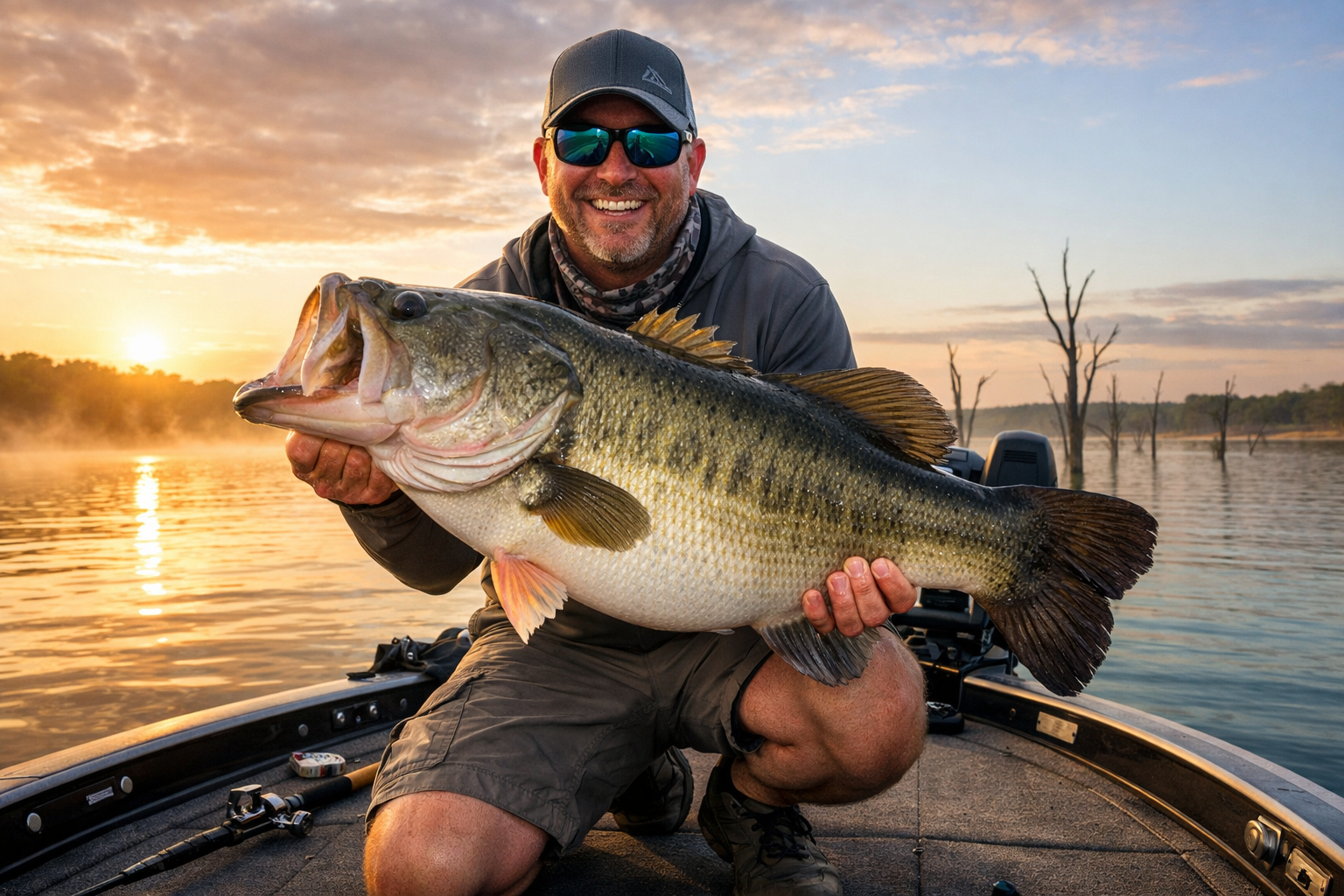
And on a quiet West Texas morning, with the sun rising over the mesquite hills and a giant largemouth thumping a swimbait near the river channel…
You may discover exactly why O.H. Ivie has become one of the most exciting trophy bass lakes in the country.


0 Comments