
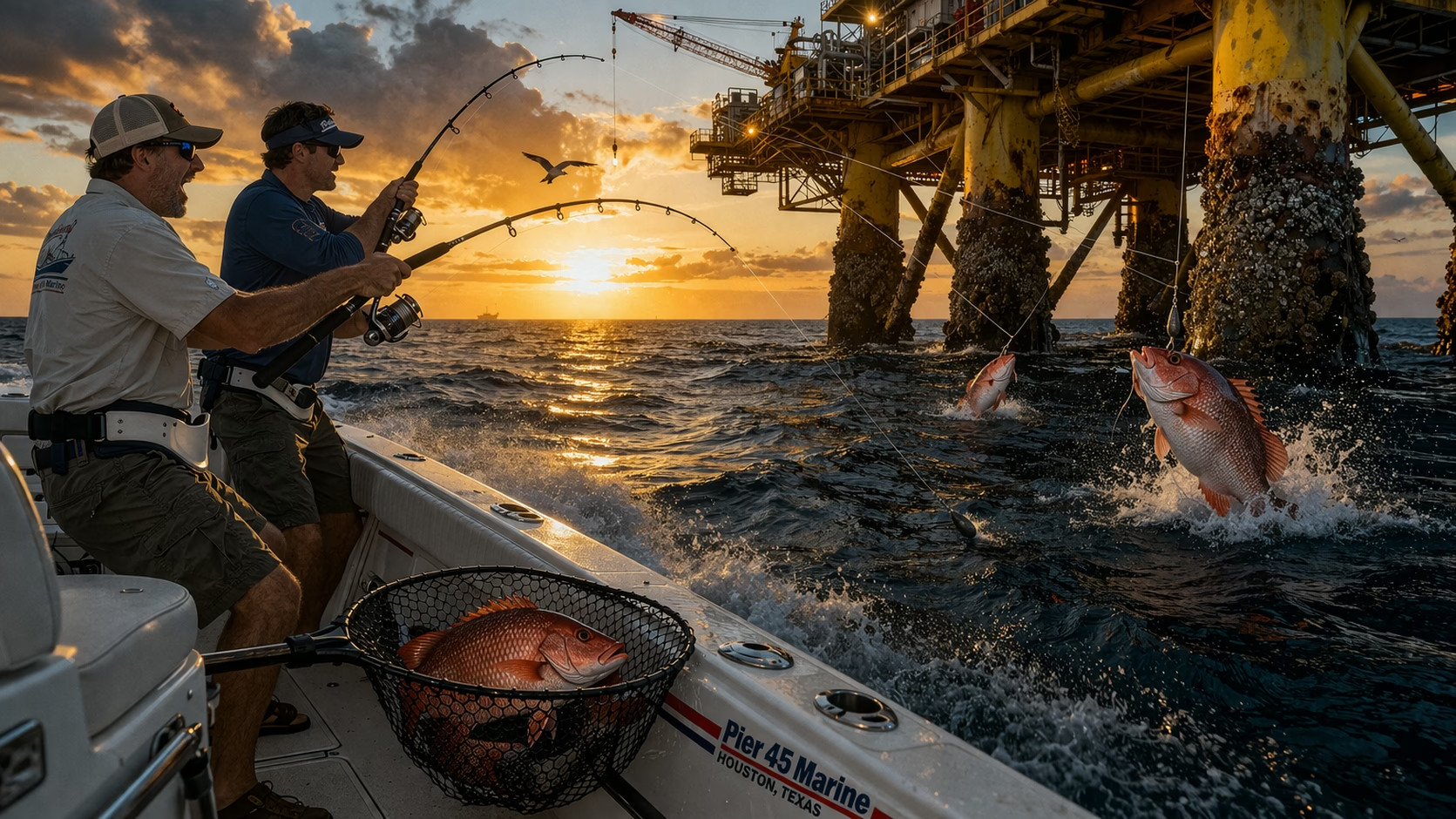
When the rod tip bounces twice and then suddenly heads south, a fisherman does not need much explanation.
He just needs to hold on.
Keith Kocurek of Pier 45 Marine in Houston found that out firsthand when his rod loaded up and he let out a holler of, “Fish on! Fish on!” to fellow angler Darren Landry. But Darren was in no position to celebrate for long. His own rod was already bent into a dangerous arc, with something powerful on the other end making a determined run for Cuba.
That is Gulf oil-rig fishing in November, and when the bite turns on, it can get hot and heavy in a hurry.
Whether you are free-lining a mullet or casting an artificial, fishing around an offshore rig is not just a contest between angler and fish. It is also a race against the rig itself. The fisherman usually has very little room to work a fish, while the fish has all kinds of opportunity to cut the line, wrap the structure, and win the fight.
Those barnacle-covered rig legs will test the strength of your tackle, the quality of your line, and sometimes your patience.
If the fish are holding on the outside of the structure, anglers can often get away with lighter tackle, say 14- to 17-pound-test line and conventional bass gear. But if the bigger fish are living deep within the rig, and many of them do, then stout tackle becomes a necessity. In that situation, 25-pound-test line or heavier is often required to withstand both the sharp teeth of the fish and the punishment that comes from barnacles, rusty steel, and hard structure.
A dip net is also a must.
Rig fish have a bad habit of doing a little tail-walking and lunging once they get close to the boat, and a good net can make the difference between a fish in hand and a hard-luck story on the ride home.
Most any fish that pulls back can make for a fine day around the rigs. But if you happen to find a school of big snapper, that is the sort of action a man remembers for a long time. Red snapper are fairly predictable once you locate them, and when hooked, they fight with the kind of strength that leaves no doubt about what is on the line.
For snapper, I prefer a simple but sturdy setup: a sinker on the bottom, two drop leaders tied about 24 inches apart, each finished with a 4/0 circle hook, all connected to the main line with a dark barrel swivel. I have long believed that snapper can grow wary of bright brass swivels, which is why I favor the darker model.
Bait those hooks with cigar minnows or icefish and you may draw strikes not only from big snapper, but also from grouper, cobia, king mackerel, sharks, or maybe even a speckled trout large enough to make a man stare twice.
That is part of the pull of rig fishing.
You never really know what is about to happen when you drop a bait beside one of those platforms. But one thing is certain: once you get a taste of it, there is a good chance you will be hooked for life.
Captain Stan J. Butaud offered a few timely reminders for anglers planning winter trips to the Gulf. He expects the Gulf to produce excellent red snapper this season, with fish to 25 pounds and heavier. He also advises anglers to bring rain gear and a spare set of clothes, just in case, and to double-check both the weather forecast and the condition of their VHF radio before leaving the dock. In colder months, neoprene waders can also provide welcome warmth and protection from wind and spray.
It is the sort of practical advice that has saved more than one day on the water.
And while offshore anglers are rigging up for snapper and other Gulf bruisers, bass fishermen have their own November game plan for hunting big fish.
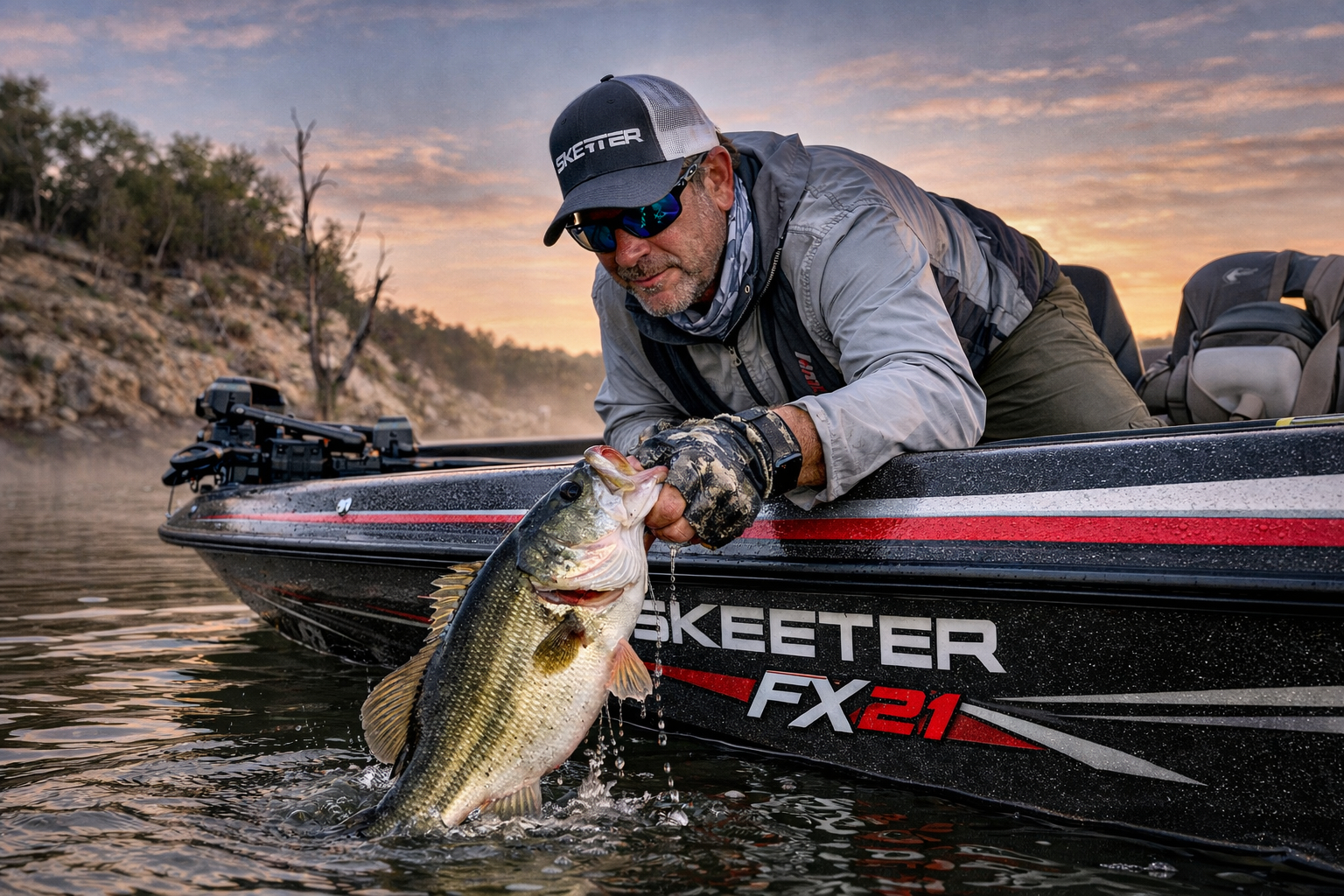
If you want to catch quality bass this time of year, there is a good chance a jig-and-pig will be in your hand. But according to B.A.S.S. Megabucks champion and Stren pro Tommy Biffle, anglers can improve their results by making a few smart adjustments to color and presentation.
“A jig-and-pig combination was designed to imitate a crawfish, an abundant springtime forage for bass,” Biffle explains. “However, during the fall, largemouth key in on shad and feed heavily in preparation for winter. Anglers should alter jig and trailer colors and the way they present the lure to better match that forage and draw more strikes.”
To imitate shad, Biffle switches from traditional dark jig colors to a white jig paired with a white or silver trailer. He also changes the retrieve. Rather than dragging or bumping the lure along the bottom, he prefers to swim the jig through the cover.
That is a key adjustment in the fall.
Frequent cold fronts tend to push bass tight to cover, and by pitching or flipping the jig into that cover and swimming it back through, anglers can put the bait right in the fish’s living room. As Biffle puts it, that is exactly what the bass are looking for: easy prey.
He is also quick to stress that equipment matters.
“Plenty of anglers lose good fish because of their equipment,” Biffle says. His preferred setup includes a 7 1/2-foot rod, 25-pound-test Stren High Impact line, and 1/4- to 3/8-ounce jigs with embedded rattles. The longer rod gives him the backbone needed to haul big fish out of heavy cover, while abrasion-resistant line is critical because it is constantly rubbing against wood, brush, and other cover.
If a big bass wraps you up and you cannot immediately pull it clear, then the quality of your line may be your only remaining advantage.
Sharp hooks matter too.
Biffle recommends trimming the weedguard back even with the hook point to improve hook exposure. A weedguard that extends too far past the point can deflect the hook when it contacts the fish’s mouth. He also likes jigs with rattles, especially in the muddy water that often follows fall rains and rising water. Under those conditions, vibration helps bass locate the lure.
He also believes in a quiet presentation.
Once the jig enters the water, Biffle swims it back through the cover just fast enough to keep it from sinking. Every few seconds he pumps the rod slightly to add action. Bass tucked into heavy cover will often come charging out to intercept that moving bait.
And once a fish bites, the work is not over.
Biffle cautions anglers not to let the rod tip get too high on the hookset or during the fight, because a high rod position can encourage a bass to jump. Once airborne, the odds of getting tangled in nearby cover go up in a hurry. If a bass does wrap the line around cover, he advises against pulling too hard. Instead, keep steady pressure on the fish, feed out a few feet of line, move the boat in, and try to unwrap the line by hand.
That sort of calm approach often lands fish that would otherwise be lost.
He also reminds anglers to be ready for missed strikes. Keep a second rod rigged with a different color jig and trailer. If a fish misses the first bait, quickly follow up with the alternate color. Many of those fish will strike again, and often more decisively, the second time around.
So whether your November plans involve dropping baits beside a Gulf oil rig or swimming a jig through shallow cover for a heavyweight largemouth, the lesson is much the same: big fish do not come easy, and they rarely forgive poor preparation.
Rig up right, think ahead, and be ready when that rod tip jumps.
Because when the big ones bite, things happen fast.

0 Comments