
Owning a boat has always come with a few responsibilities.
Now, thanks to recent changes from the state, there are a few more—and they’re worth paying attention to before your next trip to the water.
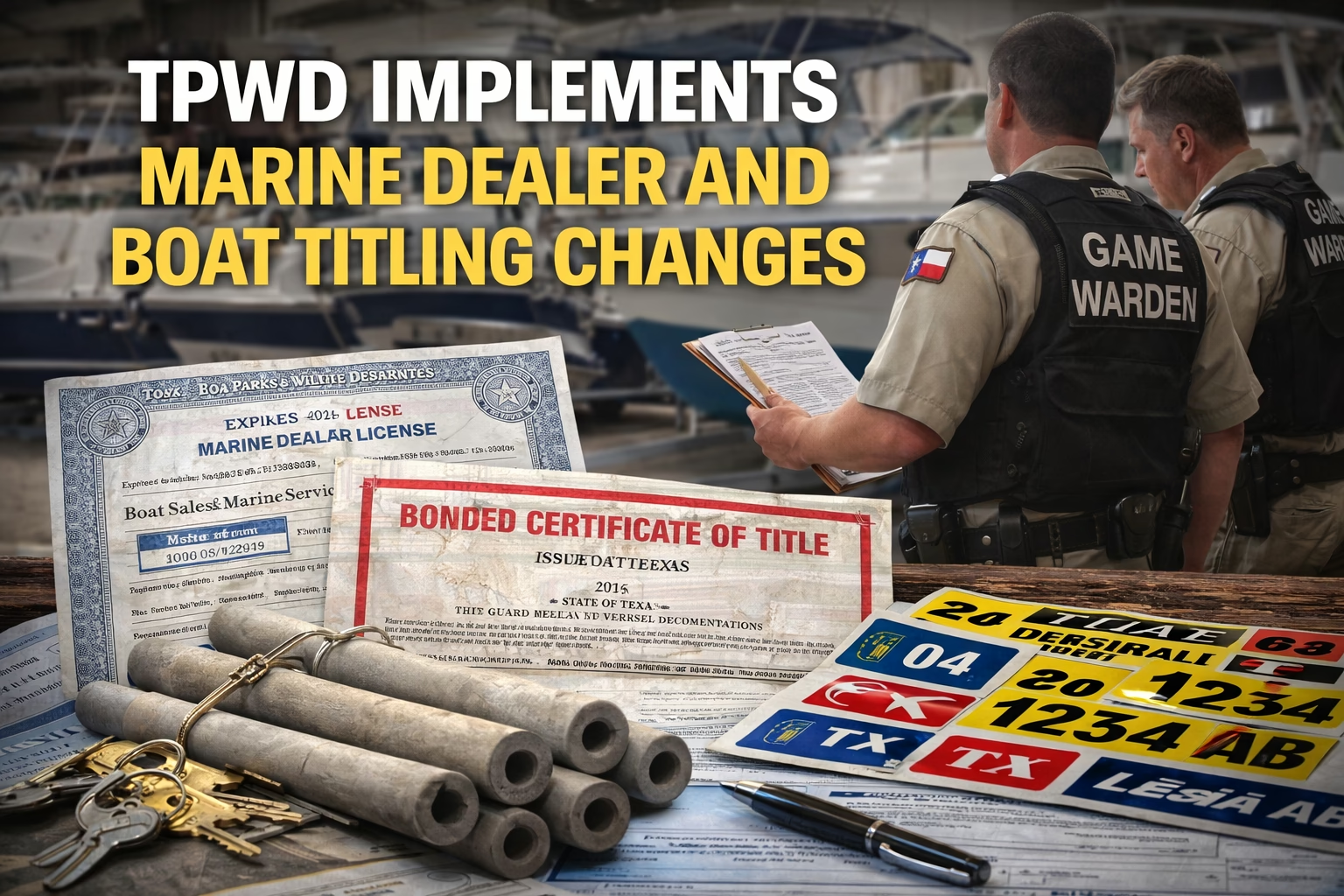
The Texas Parks and Wildlife Department has implemented a series of new rules following the passage of House Bill 2926, bringing updates to marine dealer licensing, vessel registration, and boat titling requirements across Texas.
Cleaning Up the Paper Trail
According to TPWD officials, the legislation was designed to tighten up administrative gaps while strengthening consumer protections.
“These changes provide administrative cleanup and expansion to laws that protect the consumer and ensure proper fee collection,” said Frances Stiles, manager of boat titling and registration.
In plain terms, the goal is simple: make ownership clearer, transactions cleaner, and enforcement more consistent.
Key Changes for Boat Owners
Several new rules took effect at the beginning of 2004, and they affect everyday boaters more than you might think.
Effective January 1, 2004:
- U.S. Coast Guard-documented vessels must now be registered with the state and display a Texas registration decal
- Antique boats may place the decal on the windshield—or, if no windshield exists, attach it to the wallet-sized certificate carried onboard
- A new “Bonded Title” option has been introduced, with a $35 fee
That bonded title provision gives owners a way forward when paperwork is incomplete—such as a missing or unsigned title—helping resolve ownership issues that might otherwise stall a sale or transfer.
New Rules for Dealers
The bigger shift came a couple of months later.
Effective March 1, 2004:
- Marine dealer licensing is now mandatory
- License fees increased from $130 to $500
- Game wardens are authorized to inspect records of individuals or businesses selling boats or outboard motors
The new rules also define who qualifies as a dealer.
“If a business or individual sells five or more boats or motors in a calendar year, they are required to have a license,” said Alfonso Campos, Chief of Marine Enforcement.
Previously, participation in the licensing system was largely voluntary. Now, it’s not.
Why It Matters
For most anglers and recreational boaters, these changes won’t feel dramatic—but they do matter.
Clear titles protect buyers.
Proper registration supports enforcement and safety.
Dealer oversight helps keep the marketplace honest.
It’s the kind of behind-the-scenes work that keeps things running smoothly—until it doesn’t.
Final Check
Before you back down the ramp or close a deal on your next boat, it pays to make sure your paperwork is in order.
Because while the fish don’t care what’s written on your title…
the state does.
And a little attention now can save a whole lot of trouble later—leaving you free to focus on what really matters once you’re on the water.


0 Comments