
Not everything that grows in the water belongs there.
Some aquatic plants bring life, clarity, and balance to a lake or aquarium. Others—introduced without thought—can choke a fishery, poison the water, and leave lasting damage that’s hard to undo.
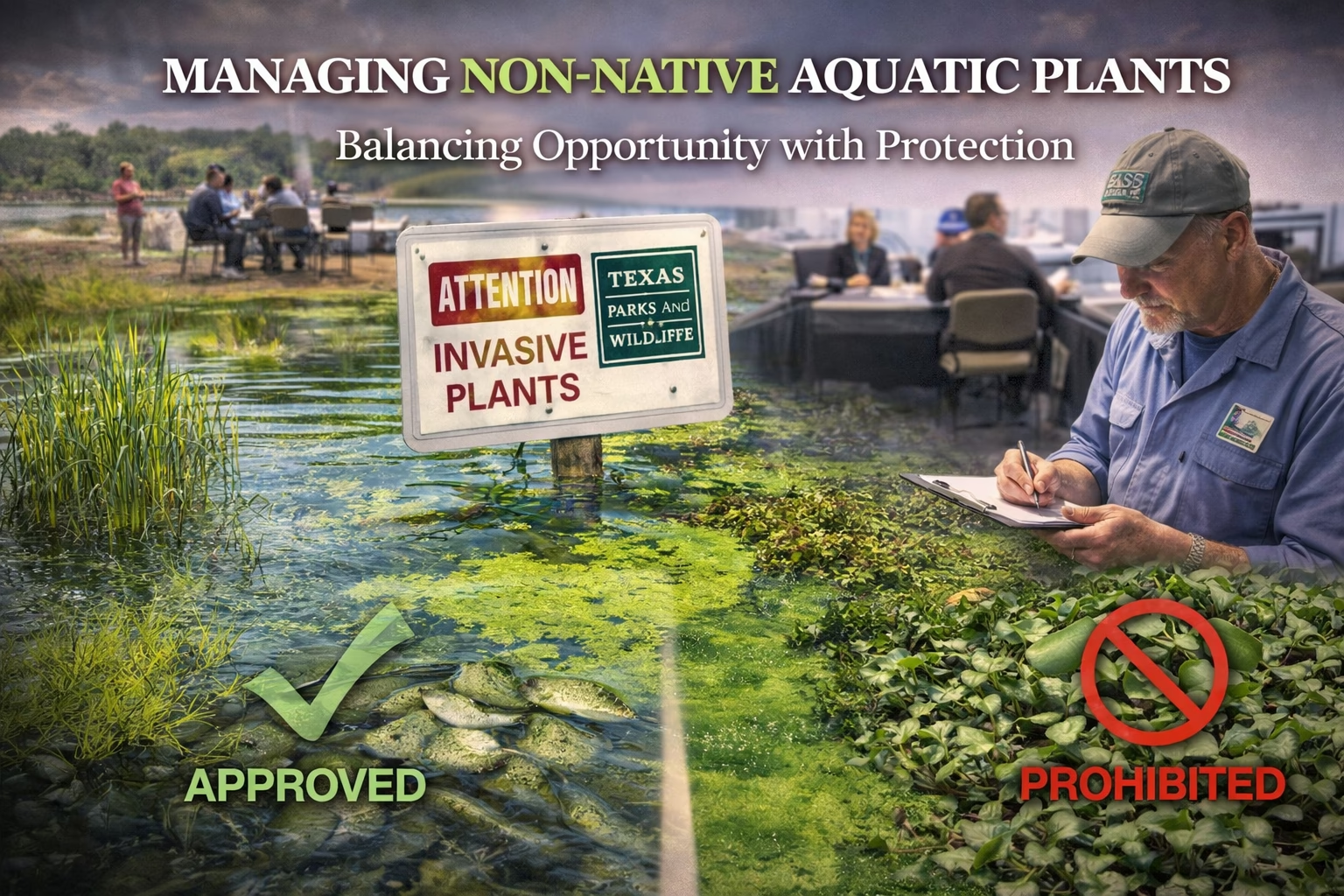
That’s the line the Texas Parks and Wildlife Department is working to draw more clearly, as interest grows in everything from decorative water gardens to algae-based biofuels.
In response, TPWD is proposing a shift in how non-native aquatic plants—including algae—are managed in Texas. Instead of relying solely on a list of prohibited species, the agency is moving toward a more proactive approach: creating an approved list of exotic aquatic plants, alongside a permitting system for certain species, including non-native microalgae.
It’s a change in philosophy—from reacting to problems… to preventing them.
The proposal, currently under review by the Texas Parks and Wildlife Commission Regulations Committee, aims to strike a careful balance. The goal is to allow responsible use of non-native plants while protecting the state’s waters from unintended consequences.
Right now, the system requires constant vigilance—adding species to a prohibited list as new threats emerge. But with no algae currently listed as prohibited, officials see an opportunity to get ahead of the curve.
Dr. Earl Chilton, TPWD’s exotic vegetation program manager, knows the stakes.
Some forms of algae can trigger toxic blooms, threatening fish, wildlife, and even human health. “TPWD has been tasked by the legislature to ensure that the new rules are as permissive as possible without allowing the importation or possession of algae that pose environmental, economic, or health problems,” Chilton said. “We need input from industries, researchers, and anyone in the state using algae.”
Under the proposed system, every species considered for approval would undergo a scientific risk analysis—ensuring it poses no threat to Texas waters before it ever makes the list.
It’s a measured approach. Thoughtful. Deliberate.
And importantly, it invites the public into the process.
TPWD will host an informational meeting September 1 at its Austin headquarters, with sessions covering both vascular aquatic plants and macroalgae in the morning, and microalgae regulations in the afternoon. Feedback gathered from these discussions will help shape the final rules, set for consideration at the Commission’s November 4 meeting.
Because when it comes to managing something as dynamic—and as fragile—as our aquatic ecosystems, there’s no substitute for getting it right the first time.
In the end, it’s not just about what grows in the water.
It’s about what we choose to allow there—
and whether we’re willing to think ahead
before nature is forced to pay the price.

0 Comments