
Where to Start
I recently spoke with Pat McCarty about the many emails we receive from beginners. Usually, professional articles focus on "cutting-edge" or high-tech information, but it is our duty to the sport to provide a starting point for the newcomer and the youngster.
If you are a beginner, everything is in your favor. There are more resources today than ever before—magazines, TV shows, and internet reports—but the best way to learn is to simply get out there.
1. Finding a Place to Fish
You don’t need a fancy reservoir boat to start. In fact, some of the best fishing is found in:
- Farm Ponds & Golf Course Ponds: These are gold mines for bass and catfish. Pro Tip: You must ask permission. Usually, landowners will say yes if you promise to leave the area cleaner than you found it.
- Creeks: Excellent for bream (perch) and small-stream bass.
- Public Reservoirs: If you don't have a boat, focus on bank access at state and local parks.
2. Basic Gear & Techniques
When starting out, your goal is to catch as many fish as possible to gain experience. This means using small baits.
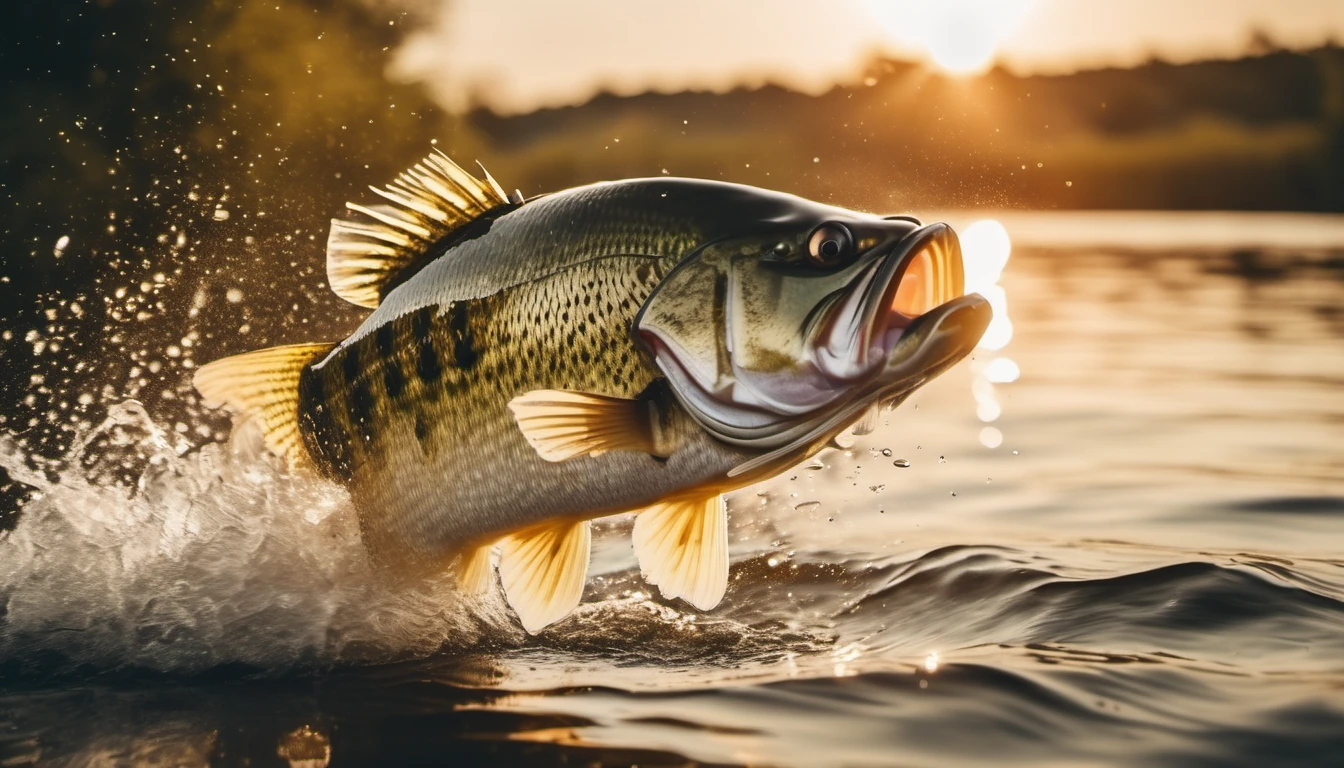
For Bass: Focus on fish under 2 pounds using 1/8 oz to 1/4 oz lures. Bass love cover—stumps, logs, and grass. Cast your bait as close to these objects as possible.
- Baits to try: Beetle Spins, Stanley Baby Wedge spinnerbaits, 4-inch plastic worms, and small crankbaits.
For Bream (Perch): The easiest way to get a bite is a simple float rig.
- The Setup: A small long-shanked hook, a 1/16 oz split-shot weight 2 inches above the hook, and a small cork 18 inches up the line.
- The Bait: Crickets, grasshoppers, earthworms, or small doughballs. Note: Always keep the hook point covered!
For Catfish: Catfish are bottom feeders and rely on smell.
- The Setup: A hook and a 1/4 oz weight.
- The Bait: Prepared dough bait, chicken livers, shrimp, or minnows. Cast it out, let it sit on the bottom, and wait for the fish to find it.
3. The Professional Edge: Join a Bass Club
If you want to move beyond the pond, consider joining a local bass club.
- No Boat? No Problem: Most clubs pair "non-boaters" with boat owners for weekend tournaments.
- Rapid Learning: You will fish with different people and see dozens of techniques in a single season.
- Etiquette: Always offer to share the cost of fuel and oil. A helpful, contributing partner is always welcome back on the boat.
4. Talk to the Experts
Your local sporting goods clerk is a wealth of knowledge. Most are fishermen themselves and can give you specific tips on which baits are working in your local area right now.
Now is the perfect time of year to get out and fish. Don't worry about the "high-tech" stuff yet—just get a line in the water.
Good luck fishing!



0 Comments