
The Guadalupe Basin River Authority (GBRA) manages a vital waterway stretching from the Texas Hill Country to the Gulf of Mexico. However, a growing controversy surrounds their management of aquatic plants like Hydrilla. While the GBRA supplies raw water to local plants—including the Spring Hill Water Plant on Lake Placid—they endorse "random chemical treatment" of the river and offer no guarantee of water quality.
A Dangerous Proximity
Robin Richardson, Director of the Spring Hill Water Board and President of H.A.W.K. (Health Awareness and Water Knowledge), is sounding the alarm. On June 1st, Richardson discovered that the GBRA had chemically treated vegetation in Lake Placid less than 20 feet from her community's drinking water intake.
"I feel like the coyotes are guarding the chicken house and this has got to stop," says Richardson. She points out a terrifying reality: water treatment plants in Seguin and the Canyon Regional Water Authority are not equipped to filter out aquatic pesticides during the treatment process.
The Problem with "Sonar"
The pesticide of choice in many Texas lakes is Sonar. Richardson and other conservationists are concerned due to:
- Health Risks: Strong suspicions of cancer-related diseases among those using treated reservoirs.
- Lack of Regulation: No clear established restrictions on dosage for specific reservoir sizes.
- Legal Loopholes: Currently, no governing body is strictly responsible for the chemical treatment of raw drinking water sources.
The Fight for a Permitting Process
Richardson is advocating for a formal permitting process for any introduction of pesticides into Texas waters. This would force agencies to declare dosages and justify their actions to the community.
Pat McCarty recently attended a meeting in Athens with the Texas Parks & Wildlife Department (TPWD), H.A.W.K., and the LCRA. During this meeting, Larry McKinney (TPWD) discussed forming a committee to study whether state legislation should require these permits. The results of this study could fundamentally change how Texas water is managed.
"Lip Service" vs. Real Action
While groups like the Friends of Lake McQueeney and the GBRA have publicly supported Governor Bush’s push for mechanical harvesters, Richardson remains skeptical, calling their support "lip service" until the chemicals stop flowing.
Richardson, a vocal proponent of mechanical harvesting, recalled a poignant moment during the harvester test drive on Lake Bastrop with legends Ray Scott, Terry Oldham, and Harold Sharp:
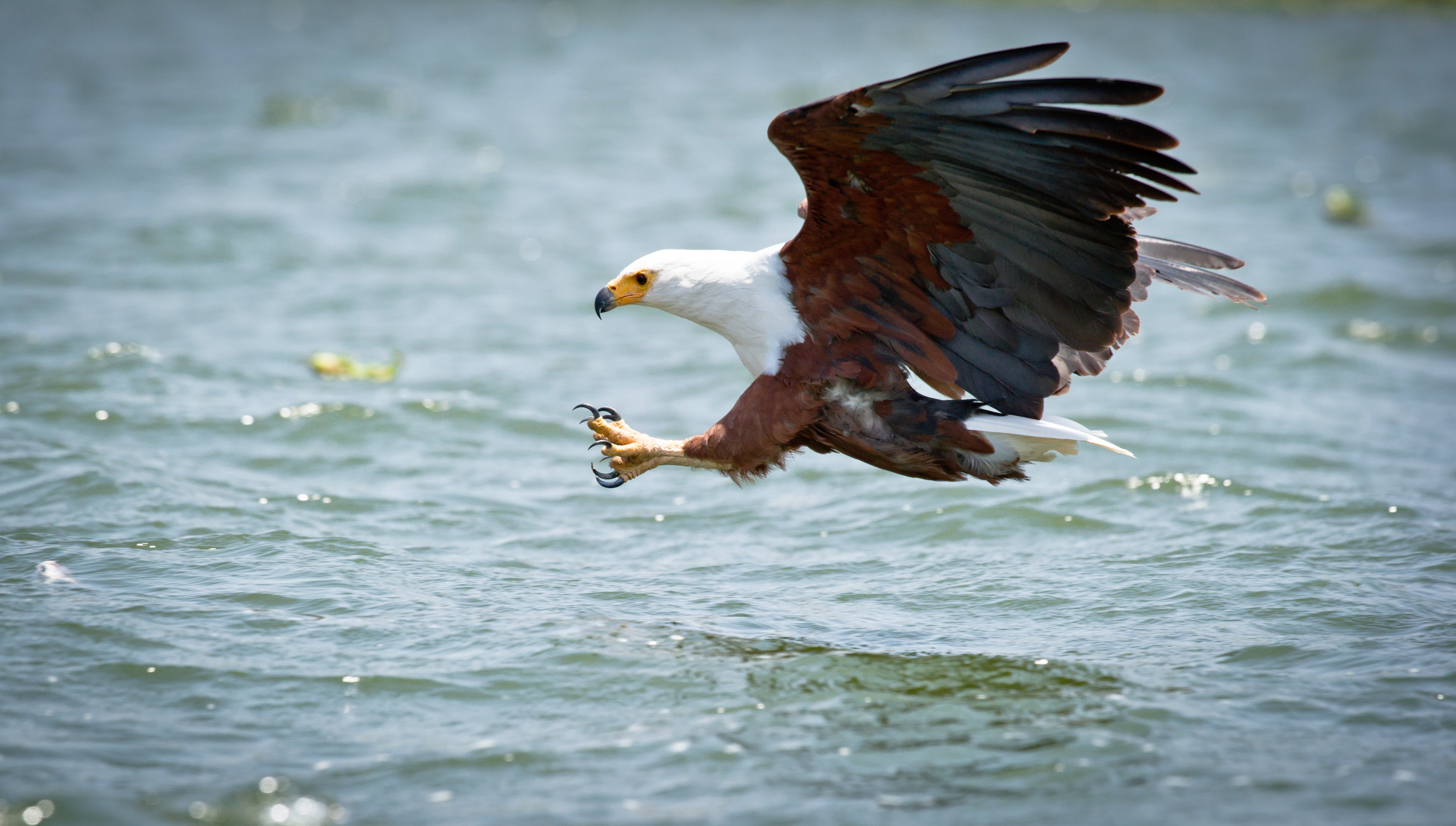
"As we were watching the harvester operate, a bald eagle rose up—I had never seen one! He dove for a fish, and as he flew off, I thought to myself: he could not have read nor understood the chemical restrictions had the lake been treated. That fish would have been too contaminated for him to eat."
Archive Insights:
Administrative Gaps: It exposes a massive gap in 1990s Texas law where the "raw water" supplier (GBRA) had no legal liability for the chemicals they put in the water, leaving the "clean water" provider (Spring Hill) holding the bag.
Regional Specifics: This article moves the "Hydrilla War" from the big East Texas reservoirs (Conroe/Livingston) to the Guadalupe River chain (Placid/McQueeney), showing that this was a statewide crisis.
Environmental Impact: The mention of the Bald Eagle is significant; in the mid-90s, bald eagles were still a rare and powerful symbol of the success of the Endangered Species Act, and their presence at the harvester demo was a PR "home run" for the anti-chemical movement.


0 Comments