
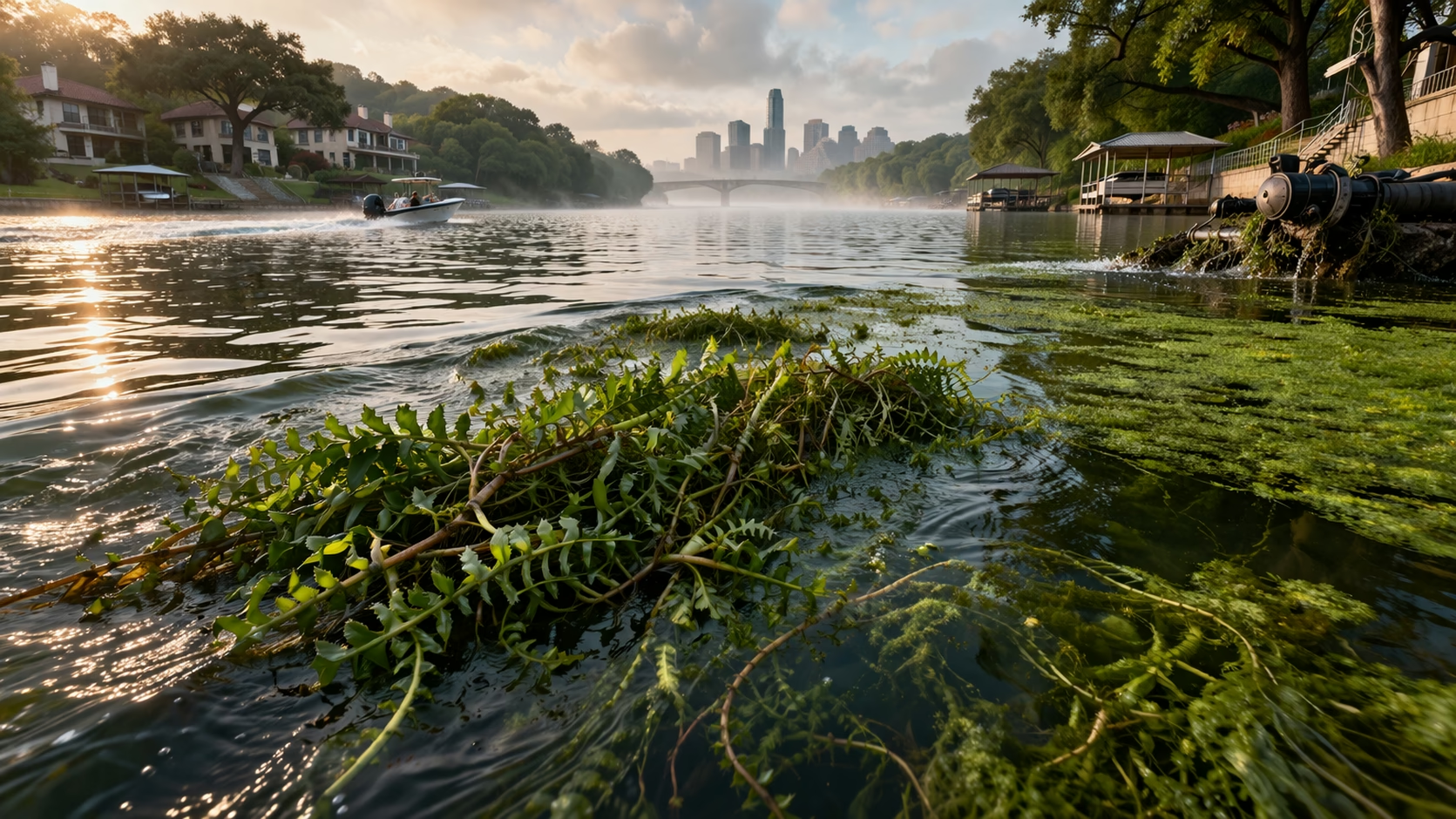
On Lake Austin, hydrilla has grown from a nuisance into a full-blown threat.
What began as the quiet spread of an invasive aquatic plant has now become a problem with real consequences for homeowners, boaters, utilities, and fishery managers alike. After the July 2002 floods along the Colorado River, state officials say hydrilla contributed to several hundred thousand dollars in damage on Lake Austin, forcing Texas resource managers to respond with their most comprehensive control effort yet.
The Texas Parks and Wildlife Department has unveiled a multi-faceted plan to manage hydrilla on the 1,609-acre reservoir near downtown Austin. Developed in cooperation with the City of Austin, the Lower Colorado River Authority, and the Friends of Lake Austin, the agreement outlines a long-term integrated pest management strategy aimed at bringing the lake back under control.
Lake Austin is essentially a dam-controlled stretch of the Colorado River, and in recent years hydrilla has taken hold with alarming speed. First discovered in Texas less than three decades ago, the exotic plant now infests a growing number of reservoirs, especially in East Texas. TPWD fisheries biologists report that hydrilla has been found in nearly half of the state’s 200 public water bodies under their management.
Originally introduced into the United States as an aquarium plant, hydrilla has since spread throughout much of the South. Its ability to reproduce from fragments, tubers, and turions makes it especially difficult to contain. A small piece of the plant can hitch a ride from lake to lake on a boat trailer or motor propeller, then quickly establish itself in new water. In clear conditions, hydrilla can grow as much as four inches a day, allowing it to blanket large areas in short order.
That explosive growth is exactly what happened on Lake Austin. According to TPWD Inland Fisheries Division Director Phil Durocher, hydrilla first appeared there in 1999 and has expanded tenfold since then. It now covers roughly 300 surface acres on one of the state’s most heavily used urban lakes.
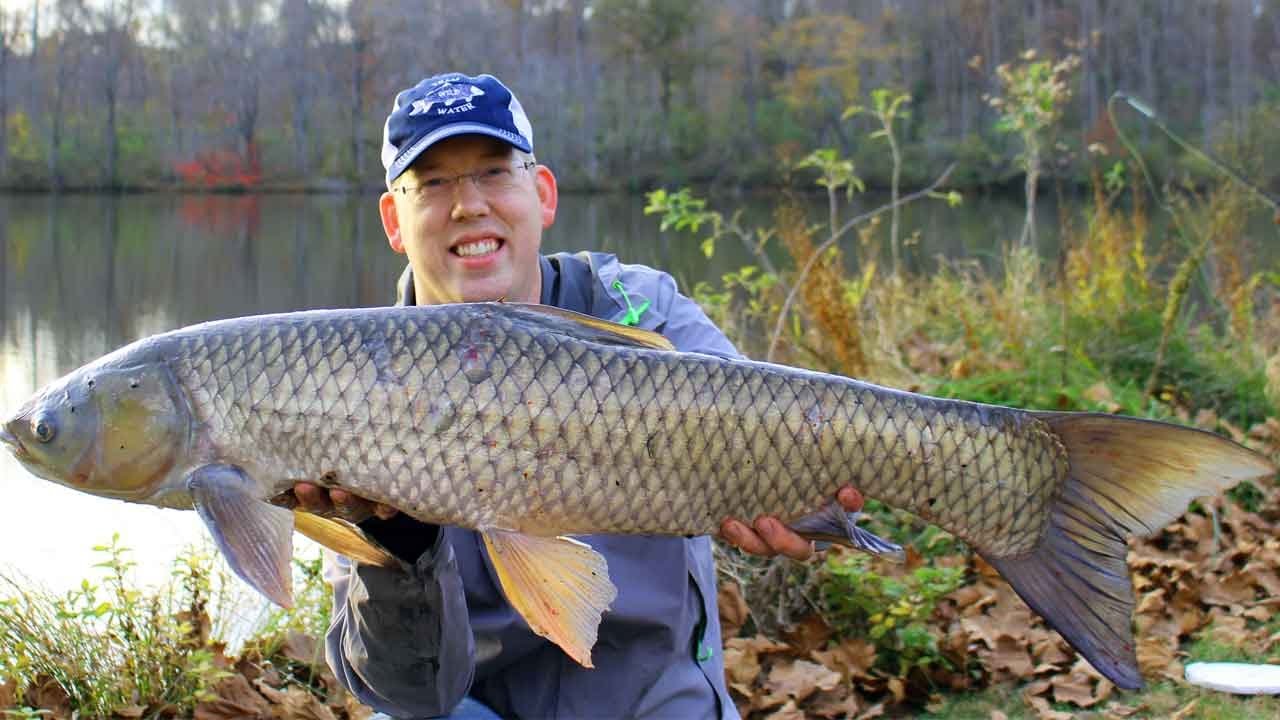
The management plan calls for a full toolbox approach. Major components include the conservative stocking of sterile, non-reproductive triploid grass carp in 2003 to graze on hydrilla, water-level drawdowns designed to disrupt plant growth, mechanical harvesting to physically remove vegetation, herbicide applications to contain infestations, and the release of hydrilla-eating insects.
It marks the first time Texas has committed to using every available method in the fight against hydrilla.
“We’re insisting on an integrated pest management approach because it assures that all the tools in the box stay on the table,” Durocher explained during a briefing to the Texas Parks and Wildlife Commission on Thursday, Nov. 7. “Our objectives are to return the lake to its pre-hydrilla condition and to maintain a healthy lake ecosystem and fishery in Lake Austin.”
Officials say the plan is not being adopted lightly. Several control efforts have already been tried on Lake Austin, including two lake drawdowns, the stocking of two dozen grass carp on an experimental basis, use of a mechanical harvester, bottom barriers, and releases of hydrilla flies.
Each approach carries its own set of concerns. Grass carp, while effective plant eaters, must be stocked carefully to avoid wiping out beneficial vegetation. Drawdowns can inconvenience property owners and lake users. Herbicides raise environmental questions. Mechanical harvesting is costly and labor-intensive. Even biological controls take time to show results.
Still, Durocher said the events of last summer made one thing painfully clear: doing nothing is no longer an option.
“Each of these actions comes with associated risks and concerns, and all the players involved have worked together to address those issues,” Durocher said. “After the flooding in July, it became apparent that the risks of not doing anything far outweigh the risks of taking action.”
The July 2002 floods provided a costly lesson. Although water flows were not historically extraordinary, hydrilla changed the equation. Thick underwater growth slowed the movement of water along the Colorado River, contributing to flooding in homes that had never before taken on water. At the same time, massive mats of uprooted hydrilla drifted downstream and clogged hydroelectric generating systems operated by the Lower Colorado River Authority. The resulting plant shutdowns were estimated to have cost roughly $300,000.
For Lake Austin, the hydrilla problem is no longer just about weeds in the water. It is about flood risk, power generation, public water supply, recreation, and the long-term health of the lake itself.
That is why Texas officials are betting on an integrated, long-range strategy rather than a single quick fix. Hydrilla did not gain its foothold overnight, and it will not be pushed back overnight either. But with every available tool now in play, the state is signaling that this battle will be fought with urgency and with purpose.
On Lake Austin, the days of watching hydrilla spread unchecked may finally be coming to an end.

0 Comments