

Rocky points, limestone cliffs, clear water, and bass fishing in the heart of North Central Texas
Why Lake Whitney Remains One of Texas’ Most Underrated Bass Lakes
Every Texas bass fisherman has a list.
It might be written down on paper. More often, it's tucked away in memory.
It's a list of lakes that consistently produce fish, offer beautiful scenery, and somehow never seem to receive the attention they deserve.
For me, Lake Whitney has always belonged on that list.
Located along the Brazos River between Dallas-Fort Worth and Waco, Whitney offers a unique combination of clear water, dramatic limestone bluffs, rocky shorelines, standing timber, creek channels, and surprisingly good populations of both largemouth and smallmouth bass.
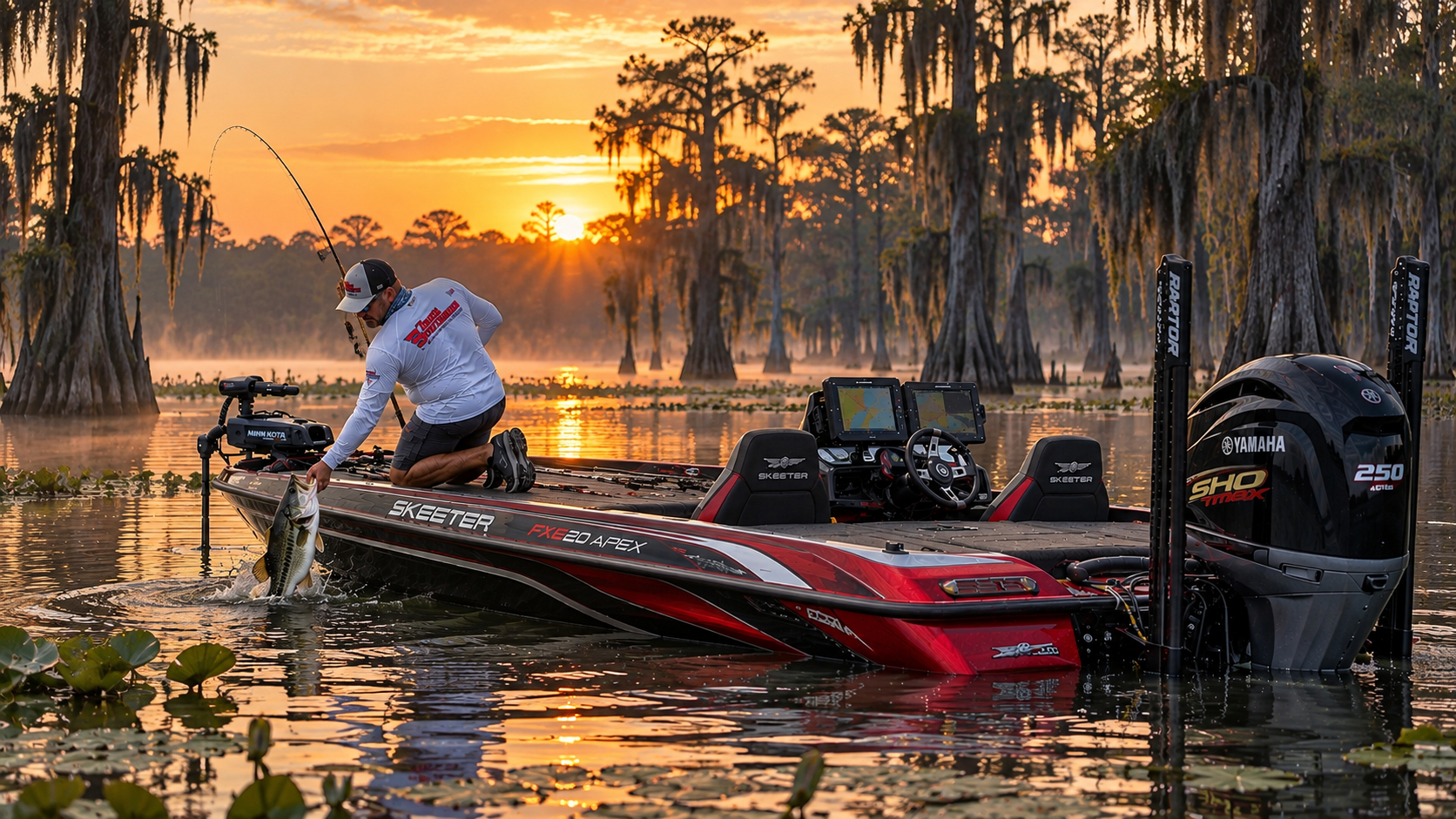
The first time you idle away from the ramp at daylight while the rising sun paints the limestone cliffs in shades of gold and orange, it feels more like fishing an Ozark reservoir than a Texas lake.
And that’s exactly what makes Whitney special.
For anglers searching for Lake Whitney Texas Largemouth and Smallmouth Bass Fishing, this reservoir offers year-round opportunities, excellent structure, and enough variety to keep even experienced bass fishermen learning something new every trip.
Understanding Lake Whitney
Where Is Lake Whitney Located?
Lake Whitney lies on the Brazos River approximately midway between Waco and the Dallas-Fort Worth Metroplex.
The reservoir was created in 1951 by the construction of Whitney Dam by the U.S. Army Corps of Engineers.
Texas Parks and Wildlife lists Lake Whitney at approximately:
-
23,560 surface acres
-
Over 225 miles of shoreline
- Maximum depth approaching 108 feet
The lake is known for:
-
Limestone cliffs
-
Deep clear water
-
Rocky points
-
Standing timber
-
Creek channels
-
Bluff walls
- Offshore humps
This combination creates outstanding habitat for largemouth, smallmouth, white bass, striped bass, and catfish.
What Rivers and Tributaries Feed Lake Whitney?
Understanding the Lake's Water Sources
The primary inflow comes from:
- Brazos River
Additional tributaries include:
-
Nolan River
-
Steele Creek
-
Aquilla Creek
-
Mesquite Creek
-
Rocky Creek
- Numerous feeder draws and seasonal runoff creeks
These tributaries play an important role in seasonal bass movements throughout the year.
Fish Species Found in Lake Whitney
Texas Parks and Wildlife surveys show Lake Whitney supports:
-
Largemouth bass
-
Smallmouth bass
-
White bass
-
Striped bass
-
Hybrid striped bass
-
Crappie
-
Channel catfish
-
Blue catfish
-
Flathead catfish
- Sunfish
Whitney remains one of the better smallmouth bass fisheries in Texas thanks to its extensive rocky habitat and clear-water environment.
Current Water Levels at Lake Whitney
Why Water Levels Matter
Lake Whitney water levels fluctuate with rainfall and Corps of Engineers management.
Changing water levels impact:
-
Spawning habitat
-
Boat ramps
-
Shoreline vegetation
-
Standing timber
-
Creek channel structure
- Offshore humps
Low-water years often expose additional rock structure that bass continue using when water levels recover.
Current lake levels should always be checked before launching.
Weather at Lake Whitney
Typical Fishing Conditions
Winter
35°F to 65°F
Spring
55°F to 85°F
Summer
75°F to 104°F
Fall
55°F to 88°F
Prevailing south winds often create productive feeding conditions on windblown points and bluff walls.
Spring weather can change rapidly, while summer heat pushes many bass into deeper structure.
Driving Distances to Lake Whitney
From Waco
Approximately 35 miles
Travel Time:
45 minutes
From Dallas
Approximately 75 miles
Route:
I-35 South
Travel Time:
1.5 hours
From Fort Worth
Approximately 80 miles
Route:
TX-174 South
Travel Time:
1.5 hours
From Austin
Approximately 125 miles
Route:
I-35 North
Travel Time:
2.25 hours
From Houston
Approximately 240 miles
Route:
US-290 West then I-35 North
Travel Time:
4 hours
From San Antonio
Approximately 210 miles
Route:
I-35 North
Travel Time:
3.5 hours
From Corpus Christi
Approximately 325 miles
Route:
I-37 North then I-35 North
Travel Time:
5.5 hours
Lake Whitney State Park
A Perfect Base Camp for Anglers
Lake Whitney State Park offers some of the best public access on the lake.
Features include:
-
Boat ramps
-
Campgrounds
-
Fishing access
-
Hiking trails
-
Swimming areas
- Wildlife viewing
Address:
433 Farm to Market Rd 1244, Whitney, TX 76692
Phone:
(254) 694-3793
Website:
For traveling anglers, it remains one of the finest state park fishing destinations in Texas.
Marinas and Boat Ramps at Lake Whitney
Best Launch Locations
Lake Whitney Marina at Juniper Cove
Address:
200 Juniper Cove Rd, Whitney, TX 76692
Phone:
(254) 694-3100
Website:
Juniper Cove Marina
Excellent access to mid-lake structure.
McCown Valley Park Boat Ramp
Address:
802 McCown Valley Park Rd
Phone:
(254) 622-3332
Website:
USACE Whitney Lake Parks
Popular launch area with quick access to productive bass water.
Lofers Bend East Boat Ramp
Convenient access to lower-lake structure and rocky points.
Lodging Near Lake Whitney
Places to Stay During Your Fishing Trip
Best Western Plus Lake Whitney Inn & Suites
Address:
17029 N FM 933, Whitney, TX 76692
Phone:
(254) 694-8700
Website:
Best Western Plus Lake Whitney Inn & Suites
Excellent location for anglers.
Arrowhead Resort
Address:
106 Arrowhead Rd, Whitney, TX
Phone:
(254) 694-9933
Website:
Arrowhead Resort
Popular among fishermen and families alike.
Spring Lake Whitney Largemouth and Smallmouth Bass Fishing
March Through May
Spring is prime time for Lake Whitney Texas Largemouth and Smallmouth Bass Fishing.
Water temperatures rise through the 50s and 60s, triggering prespawn and spawning activity.
Spring Largemouth Bass Patterns
Target:
-
Secondary points
-
Gravel flats
-
Creek channels
-
Standing timber
- Protected coves
Best Depths
- 2 to 12 feet
Best Lures
Texas-Rigged Lizard
6 inch
Colors:
-
Watermelon Red
- Green Pumpkin
Spinnerbait
1/2 oz
White/Chartreuse
Suspending Jerkbait
4 to 5 inch
Ghost Minnow
TPWD reports frequently show spring fish relating to secondary points and creek-channel transitions.
Spring Smallmouth Bass Fishing
Smallmouth bass favor:
-
Rocky points
-
Gravel transitions
-
Windblown banks
- Bluff ends
Best Smallmouth Lures
Tube Jig
3.5 inch
Colors:
-
Green Pumpkin
- Smoke Purple
Ned Rig
Small Swimbait
3.8 inch
Wind often improves the smallmouth bite dramatically.
Summer Bass Fishing on Lake Whitney
June Through August
Summer fishing becomes increasingly structure-oriented.
Early Morning Topwater Fishing
At dawn bass often school around:
-
Main-lake points
-
Bluff ends
-
Humps
- Timber edges
Best Topwater Lures
Walking Bait
4.5 inch
Colors:
-
Bone
- Chrome
Popper
Schooling activity often lasts only 30 to 60 minutes.
Deep Summer Structure Fishing
As temperatures rise:
Target Areas
-
River ledges
-
Creek channels
-
Bluff walls
-
Offshore humps
- Standing timber
Best Depths
- 18 to 40 feet
Best Lures
Football Jig
3/4 oz
Carolina Rig
Deep-Diving Crankbait
Drop Shot Worm
6 inch
Texas Parks and Wildlife reports frequently mention offshore summer patterns and deep structure bites.
Fall Lake Whitney Bass Fishing
September Through November
Fall brings some of the most enjoyable fishing of the year.
Shad migrate shallow.
Bass follow.
Best Areas
-
Creek arms
-
Windblown points
-
Rocky flats
- Main-lake coves
Best Depths
- 2 to 15 feet
Best Lures
Squarebill Crankbait
2.5 size
Colors:
-
Sexy Shad
- Citrus Shad
Spinnerbait
3/8 oz
Paddle Tail Swimbait
4 inch
Fall often produces excellent reaction-bait fishing.
Winter Lake Whitney Bass Fishing
December Through February
Winter fishing slows but can produce quality fish.
Best Structure
-
Bluff walls
-
Deep timber
-
River channels
- Rock piles
Best Depths
- 15 to 45 feet
Best Lures
Football Jig
1/2 oz
Alabama Rig
Jigging Spoon
Drop Shot
Slow presentations generally outperform fast-moving lures.
Aquatic Vegetation and Habitat at Lake Whitney
What Structure Holds Bass?
Lake Whitney is primarily a structure-driven fishery.
Bass relate heavily to:
-
Limestone rock
-
Bluff walls
-
Standing timber
-
Gravel points
-
Creek channels
-
Offshore humps
- Brush piles
Aquatic vegetation is generally limited compared to East Texas reservoirs.
Structure remains the key to consistent success.
Best Areas for Largemouth Bass on Lake Whitney
Productive Largemouth Water
Top largemouth areas include:
-
Nolan River arm
-
Steele Creek
-
Juniper Cove
-
Timbered coves
- Secondary points
Largemouth bass often use creek channels and standing timber throughout much of the year.
Best Areas for Smallmouth Bass on Lake Whitney
Where to Find Bronzebacks
Smallmouth bass favor:
-
Main-lake rocky points
-
Bluff walls
-
Gravel transitions
-
Windblown structure
- Dam-area rock
Whitney remains one of the better smallmouth fisheries in Texas.
Lake Whitney Bass Records
Big Bass Potential
Lake Whitney has produced largemouth bass exceeding 13 pounds historically and continues to support quality populations of both largemouth and smallmouth bass.
Tournament-winning bags commonly range:
- 15 to 25 pounds
Strong spring patterns often produce the largest catches.
Tips for Fishing Lake Whitney Successfully
How to Catch More Bass
Follow the Wind
Wind positions baitfish and feeding bass.
Fish Rock Thoroughly
Whitney bass love rocky structure.
Trust Your Electronics
Offshore humps become critical during summer.
Watch Water Clarity
The lake's clear water often favors natural lure colors and long casts.
Final Thoughts About Lake Whitney Texas Largemouth and Smallmouth Bass Fishing
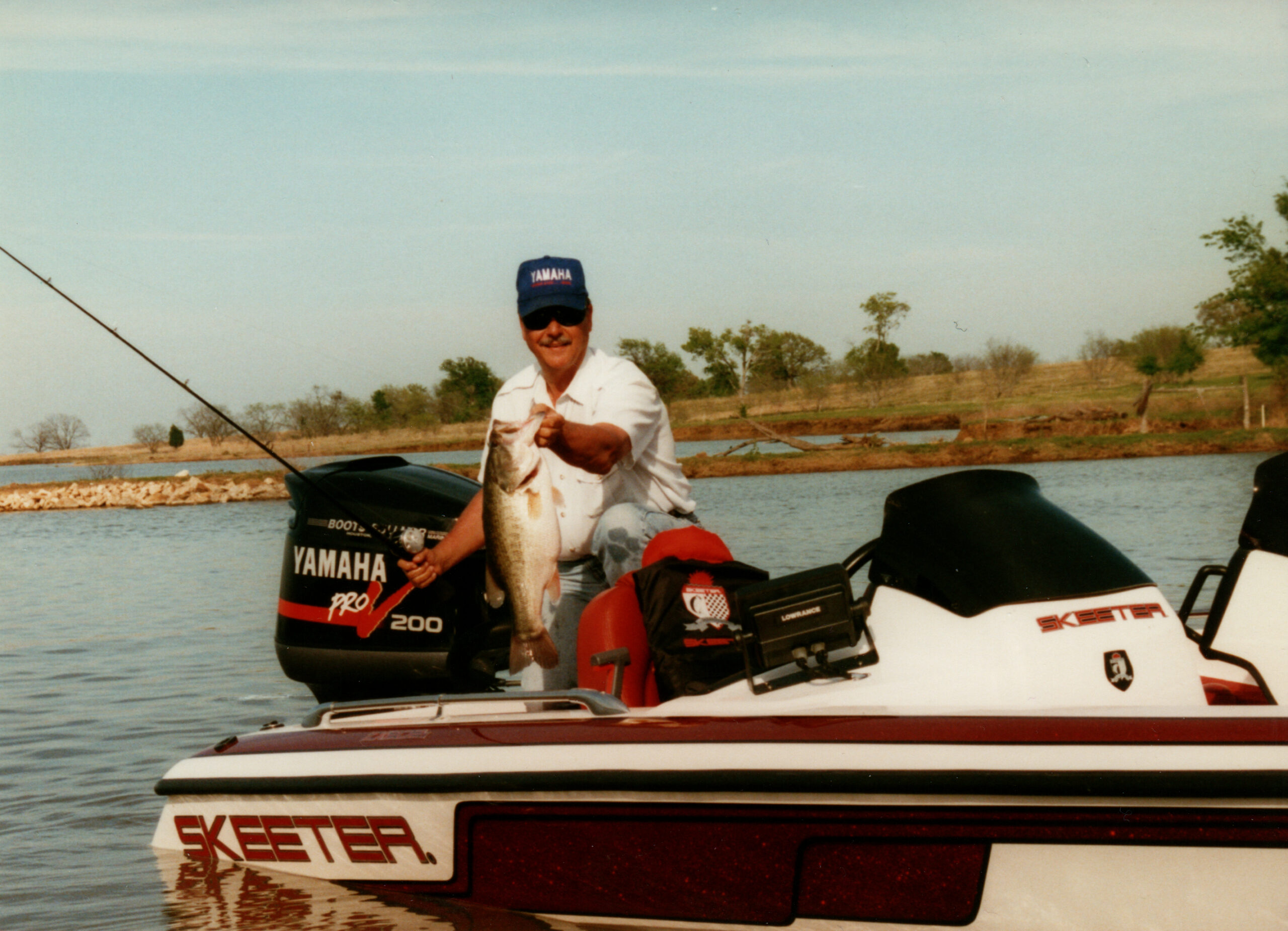
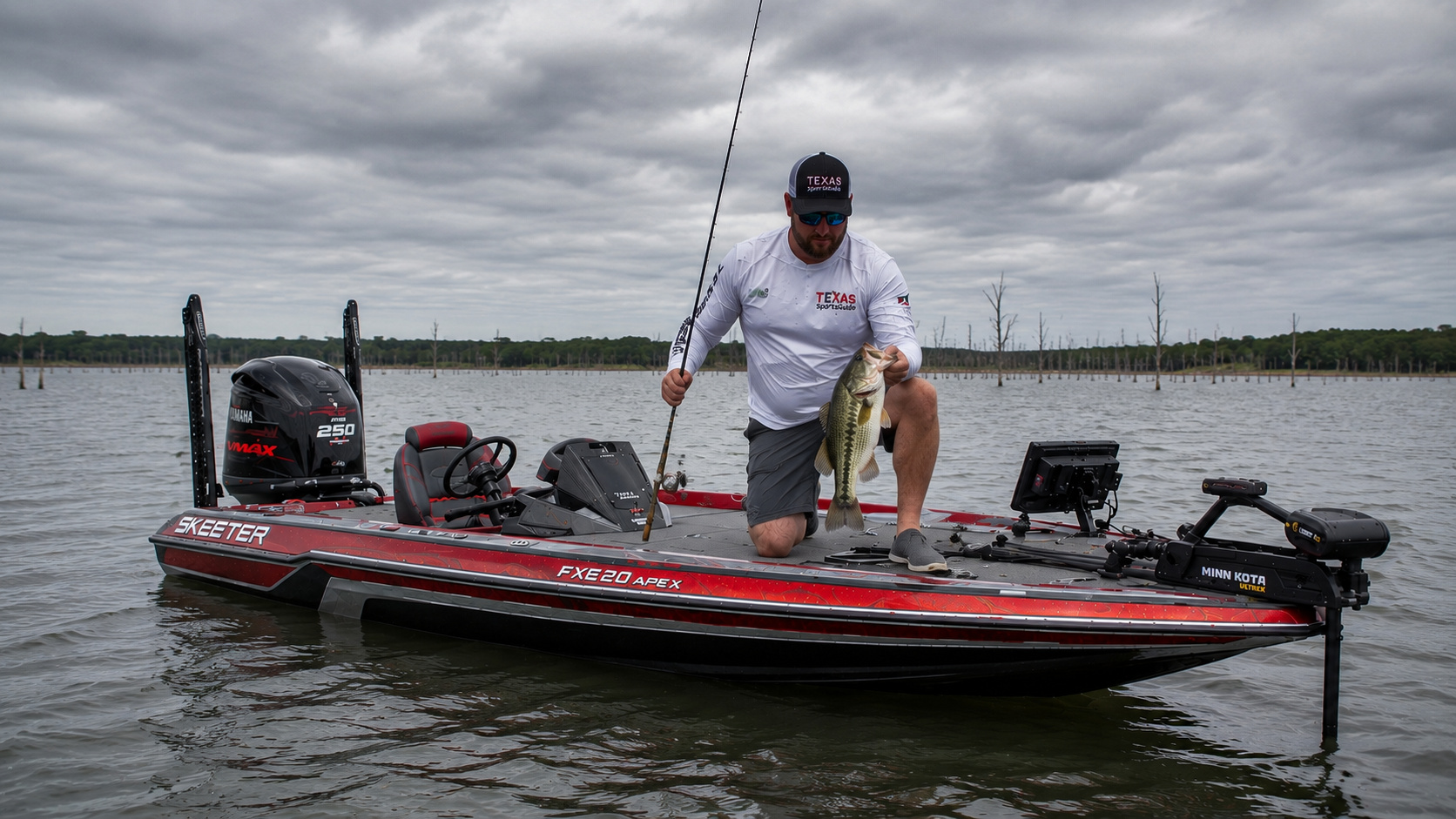
If I were launching my Skeeter on Whitney tomorrow morning, I'd begin at daylight on a rocky main-lake point with a walking bait tied on and a football jig ready on the deck.
As the sun climbed higher, I'd ease out toward deeper humps and creek channels while watching the graph for suspended fish.
And if a steady south wind started rolling across a limestone point, I'd probably pick up a tube jig and go hunting smallmouths.
Because that's really what Lake Whitney Texas Largemouth and Smallmouth Bass Fishing has always been.
A lake of rock, wind, clear water, and endless possibilities.
A place where every point looks fishy, every bluff holds promise, and every sunrise reminds you why you bought the boat in the first place.
0 Comments