
A Complete Guide to Largemouth and Smallmouth Bass Fishing
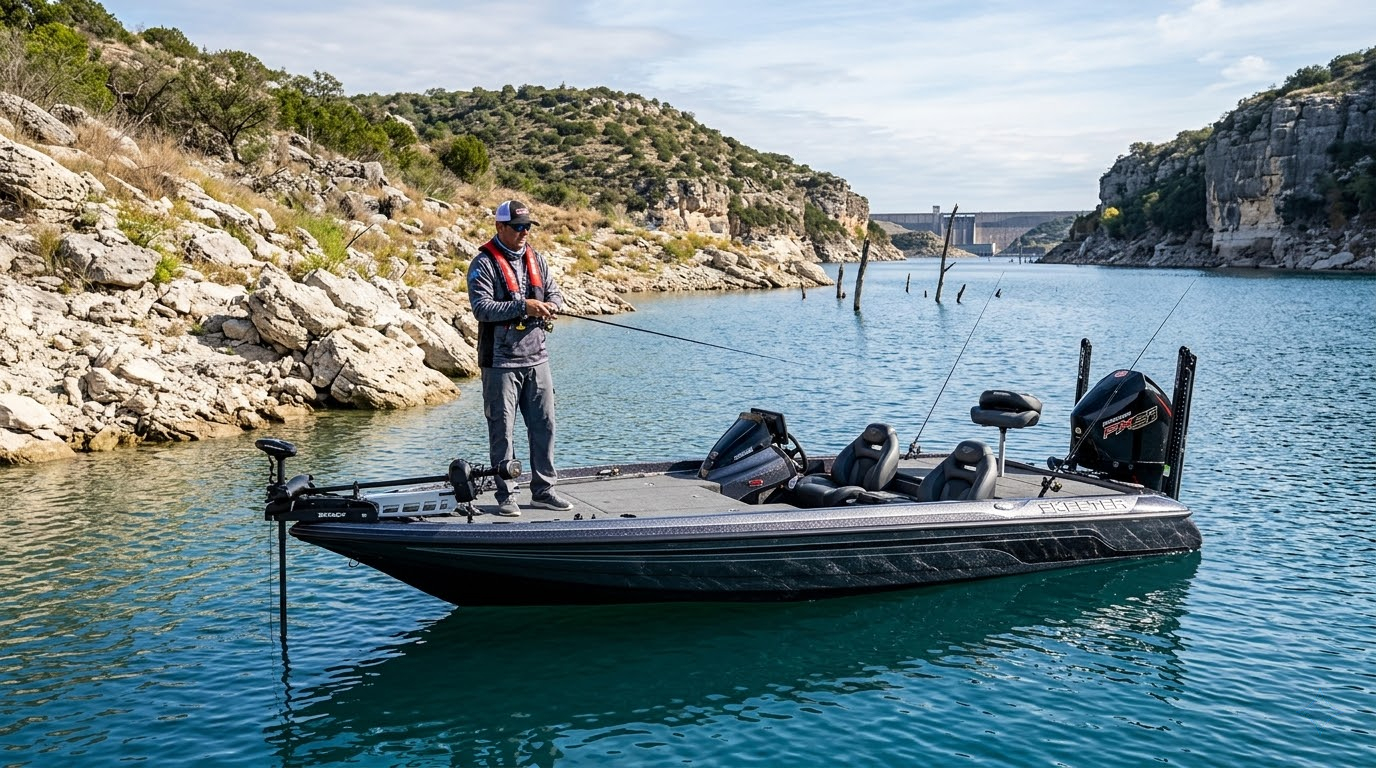
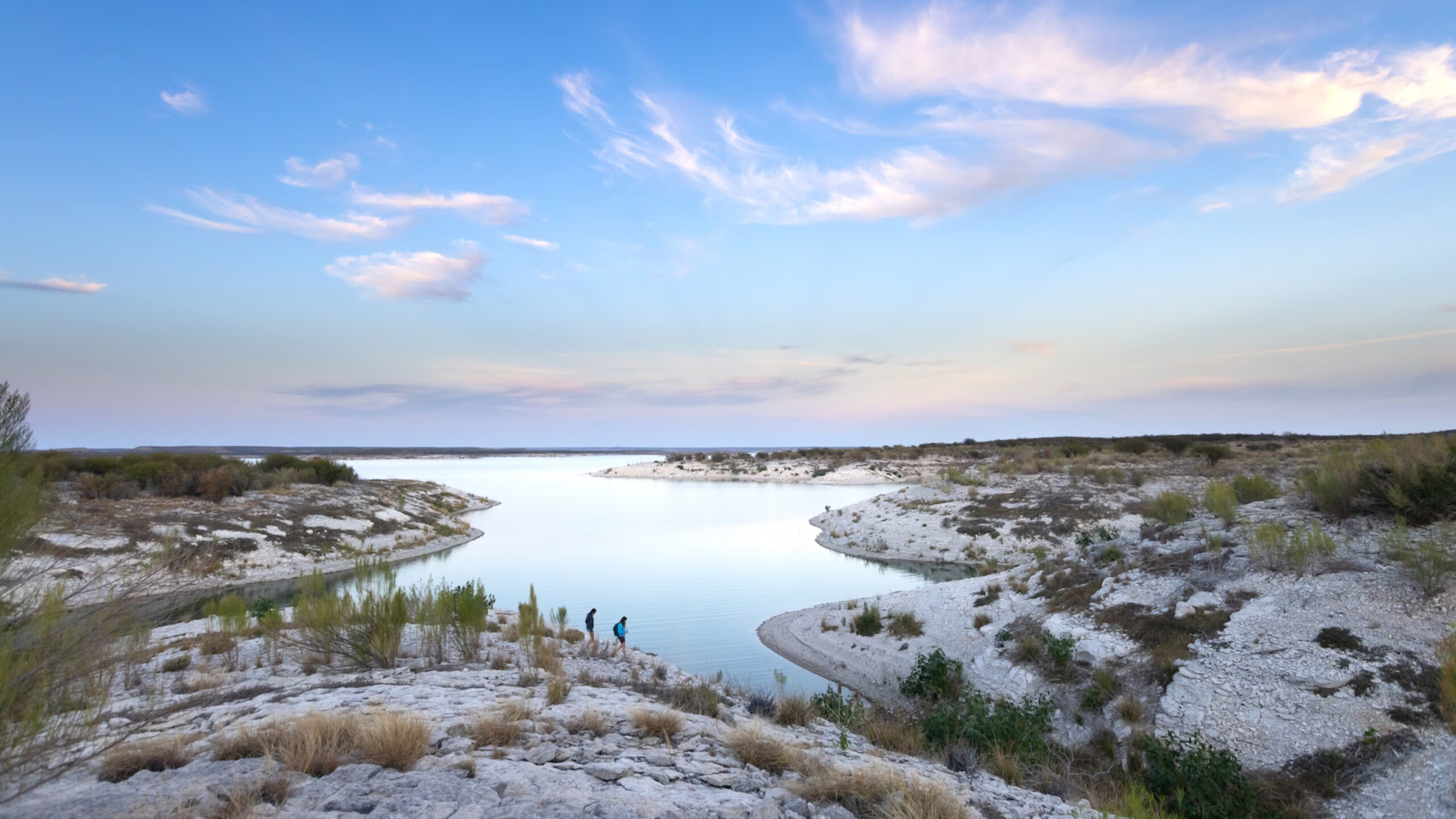
Few lakes in Texas stir the imagination of bass anglers quite like Amistad Reservoir. Carved through limestone canyons along the Texas–Mexico border, this sprawling desert lake has long been known for producing trophy largemouth bass and strong populations of smallmouth bass. Among its many productive areas, Rough Canyon stands out as one of the most scenic and consistent bass fisheries on the lake.
For anglers searching for Amistad Reservoir bass fishing, Rough Canyon offers the perfect blend of deep canyon structure, rocky shorelines, submerged vegetation, and easy boat access. Whether you’re launching a bass boat at dawn or working rocky points from a kayak, this section of the lake consistently produces quality fish throughout the year.
This detailed guide covers everything you need to know about fishing Rough Canyon—from lake facts and travel information to month-by-month bass patterns based on reports and observations from the Texas Parks and Wildlife Department (TPWD) and regional fishing reports.
Overview of Amistad Reservoir
Amistad Reservoir sits along the Rio Grande about 12 miles northwest of Del Rio, Texas. Created by the Amistad Dam in 1969, the reservoir forms the centerpiece of the Amistad National Recreation Area.
Lake Statistics
-
Surface area: Approximately 64,900 acres
-
Shoreline: Over 850 miles
-
Maximum depth: About 217 feet
-
Elevation: ~1,117 feet above sea level
-
Water clarity: Usually clear to lightly stained
-
Location: Val Verde County, Texas and Coahuila, Mexico
The lake is famous among bass anglers because its rocky canyon environment provides ideal habitat for both largemouth bass and smallmouth bass. According to Texas Parks and Wildlife, largemouth bass fishing at Amistad is considered excellent, with solid populations of smallmouth bass, catfish, and striped bass also present.
Rivers and Tributaries Feeding Amistad
Several rivers feed Amistad Reservoir, creating diverse habitats that attract bass throughout the year.
Major Tributaries
-
Rio Grande River – Primary source of water flowing into the reservoir
-
Devils River – One of the clearest rivers in Texas and a legendary smallmouth fishery
-
Pecos River – Contributes nutrients and seasonal water flow
Each of these rivers brings different types of structure and forage into the lake. When water levels fluctuate, bass often move into these tributaries to take advantage of baitfish and warmer water.
The Rough Canyon Area
Rough Canyon lies on the northern section of Amistad Reservoir, roughly 20 miles north of Del Rio.
This section of the lake is known for:
-
Steep canyon walls
-
Long rocky points
-
Deep structure close to shore
-
Clear water
-
Submerged rock ledges
The canyon environment provides excellent habitat for both largemouth and smallmouth bass, especially around:
-
rocky drop-offs
-
submerged brush
-
hydrilla beds
-
canyon ledges
-
creek channels
Because deep water lies close to the shoreline, bass can move vertically through the water column with changing weather conditions.
Marinas and Boat Ramps
Rough Canyon Marina
-
Address: Rough Canyon Marina, Del Rio, TX 78840
-
Phone: 830-775-8779
-
Website: https://www.roughcanyonmarina.com
-
Services: Gas, boat slips, bait, tackle, lodging, restaurant
Rough Canyon Marina sits in a sheltered cove and provides full services for anglers launching into this productive portion of the lake.
Rough Canyon Boat Ramp
-
Location: Rough Canyon Recreation Area
-
Access: R2 Road off US-277 North
-
Managed by: National Park Service
-
Phone: 830-775-7491
This ramp is a four-lane concrete ramp designed to operate at most water levels, making it one of the most reliable launching points on Amistad.
Lodging Near Rough Canyon
Rough Canyon Marina Lodge
-
Address: Rough Canyon Marina, Del Rio, TX
-
Phone: 830-775-8779
-
Website: https://roughcanyonmarina.com
-
Lodging: Cabins and lakeside rooms
Lake Amistad Resort and Marina
-
Address: 34951 US Highway 90 West, Del Rio, TX 78840
-
Phone: 830-774-4157
-
Website: https://lakeamistadresort.com
This resort offers lodging, boat rentals, slips, and easy access to multiple boat ramps.
Weather at Amistad Reservoir
The climate around Amistad is semi-arid with long warm seasons.
Average conditions:
Spring:
-
65°F – 85°F
-
Excellent bass fishing
Summer:
-
85°F – 105°F
-
Early morning and night fishing best
Fall:
-
60°F – 90°F
-
Baitfish migrations
Winter:
-
45°F – 65°F
-
Deep structure fishing
Because the lake sits in a canyon desert environment, winds can be strong, especially in spring.
Driving Distance to Amistad Reservoir
From Austin
Distance: ~240 miles
Route: US-290 W → I-10 W → US-277 S
Travel Time: ~4 hours
From San Antonio
Distance: ~155 miles
Route: US-90 W directly to Del Rio
Travel Time: ~2.5 hours
From Houston
Distance: ~340 miles
Route: I-10 W → US-277 S
Travel Time: ~5 hours
From Dallas
Distance: ~430 miles
Route: I-35 S → US-90 W
Travel Time: ~6.5 hours
From Fort Worth
Distance: ~410 miles
Route: I-35 W → US-90 W
Travel Time: ~6 hours
From Corpus Christi
Distance: ~270 miles
Route: US-59 → US-90 W
Travel Time: ~4.5 hours
Lake Records
According to Texas Parks and Wildlife:
-
Largemouth Bass Record: 15.68 pounds
-
Smallmouth Bass Record: 5.37 pounds
These impressive records highlight the trophy potential of Amistad Reservoir.
Aquatic Vegetation and Habitat
Bass in the Rough Canyon area relate to a mix of structure including:
Submerged Vegetation
-
Hydrilla
-
Coontail
-
Pondweed
Rock Structure
-
Limestone shelves
-
Bluff walls
-
Rock slides
Other Cover
-
Flooded brush
-
Timber
-
Creek channels
This combination allows anglers to fish everything from shallow grass beds to deep canyon ledges.
Month-by-Month Amistad Reservoir Bass Fishing
Below is a seasonal guide built from Texas Parks and Wildlife fishing reports and regional guide observations.
January
Water temperatures typically range from 50–58°F.
Bass Pattern
-
Deep winter structure
-
Points near deep water
Depth
-
20–45 feet
Best Lures
-
Football jigs
-
Jigging spoons
-
Drop shot worms
Colors
-
Green pumpkin
-
Brown
-
Natural shad
Presentation
Slow presentations near deep rock ledges produce best results.
February
Water temperatures begin warming into the upper 50s.
Bass begin staging near spawning areas.
Depth
-
15–30 feet
Best Lures
-
Carolina rigs
-
jerkbaits
-
swimbaits
Bass start moving shallow when warm fronts arrive.
March
March marks the pre-spawn and early spawn period.
TPWD reports bass moving into 0–10 feet of water with moving baits becoming productive.
Best Lures
-
bladed jigs
-
crankbaits
-
spinnerbaits
Structure
-
shallow flats
-
rocky banks
-
spawning coves
April
Spawn peaks during April.
Depth
-
4–8 feet
Best Techniques
-
sight fishing
-
soft plastic worms
-
creature baits
Colors
-
watermelon red
-
green pumpkin
May
Post-spawn fish recover in deeper water.
Depth
-
10–20 feet
Best Lures
-
swimbaits
-
crankbaits
-
Texas-rig worms
Points and ledges near spawning areas become productive.
June
Summer patterns begin.
Bass move deeper during the day.
Depth
-
15–35 feet
Structure
-
main lake points
-
submerged humps
-
creek channels
Best Lures
-
deep diving crankbaits
-
football jigs
July
Hot weather pushes fish deeper.
Depth
-
20–40 feet
Best Times
-
early morning
-
late evening
Best Lures
-
big worms
-
flutter spoons
-
drop shots
August
August fishing can be challenging due to heat.
Fish hold around deep structure and suspended bait.
Depth
-
25–45 feet
Electronics become critical for locating fish.
September
Cooling water temperatures trigger increased feeding.
Bass move shallower to chase baitfish.
Best Lures
-
lipless crankbaits
-
spinnerbaits
-
swimbaits
Depth
-
8–20 feet
October
Fall fishing can be excellent.
Shad migrations push bass into coves and shallow flats.
Best Lures
-
squarebill crankbaits
-
buzzbaits
-
topwater walking baits
November
Cooling water triggers another feeding cycle.
Depth
-
10–25 feet
Best Lures
-
jerkbaits
-
football jigs
-
crankbaits
December
Bass return to winter patterns.
Depth
-
20–40 feet
Best Lures
-
jigs
-
drop shots
-
blade baits
Slower presentations are key.
Best Lures for Amistad Reservoir Bass Fishing
Successful anglers in Rough Canyon often rely on a few proven lures.
Top Choices
Soft Plastics
-
Texas-rig worms
-
creature baits
-
tubes
Reaction Baits
-
crankbaits
-
chatterbaits
-
spinnerbaits
Deep Structure Lures
-
football jigs
-
drop shots
-
flutter spoons
Why Rough Canyon Is a Bass Fishing Hotspot
Several factors make Rough Canyon one of the best areas for Amistad Reservoir bass fishing.
Deep water close to shore
Rock structure ideal for smallmouth
Hydrilla grass beds
Abundant baitfish
Limited boat traffic compared to main lake
For anglers seeking big bass in a dramatic canyon landscape, Rough Canyon is hard to beat.
Final Thoughts
Amistad Reservoir remains one of the premier bass fisheries in Texas. With its deep canyon structure, clear water, and abundant forage, the lake consistently produces trophy largemouth bass and strong populations of smallmouth bass.
Among all the lake’s fishing areas, Rough Canyon stands out as a destination that offers both outstanding fishing and breathtaking scenery. From rocky bluffs dropping into deep water to grassy flats where bass spawn each spring, this section of the reservoir provides year-round opportunities for anglers chasing big fish.
Whether you’re planning a weekend trip from San Antonio or a long fishing expedition from Dallas or Houston, spending time exploring Rough Canyon is one of the best ways to experience Amistad Reservoir bass fishing at its finest.


0 Comments