

The Devils River flows out of the limestone plateau of southwest Texas before entering Lake Amistad in a deep canyon. Long before the dam was built in 1969, the river carved dramatic cliffs and limestone shelves through the desert landscape. Today those formations lie both above and below the waterline.
Amistad Reservoir is famous for its rock-dominated structure, including steep drop-offs, ledges, and rocky shorelines.
For bass, this structure provides everything they need:
Rocky ledges and shelves
These areas hold crawfish and baitfish and are prime feeding spots for smallmouth bass.
Bluff banks and canyon walls
Deep water lies tight against these vertical structures, allowing bass to move up or down with changing light conditions.
Gravel points and submerged ridges
These areas concentrate baitfish and create ambush points for largemouth bass.
Flooded brush and vegetation
When lake levels rise, terrestrial vegetation provides additional cover.
The Devils River also brings cooler, clearer water into the reservoir. Many anglers describe the water as “gin clear,” giving fly fishermen the opportunity to sight-fish for bass in shallow runs and pools.
Fly Fishing Techniques for Devils River Bass
Although spinning and baitcasting gear dominate bass fishing across Texas, fly fishing has quietly built a devoted following on Amistad.
The clear water and rocky habitat make it ideal for large bass flies that imitate baitfish, crawfish, and topwater prey.
Fly Rod and Tackle Setup
Most anglers fishing the Devils River arm use:
- 6- to 8-weight fly rods
- Floating or sink-tip lines
- 9-foot leaders with 12–16 lb tippet
A floating line is perfect for topwater flies, while a sink-tip line helps reach deeper rock ledges along canyon walls.
Boat Fly Fishing in the Devils River Arm
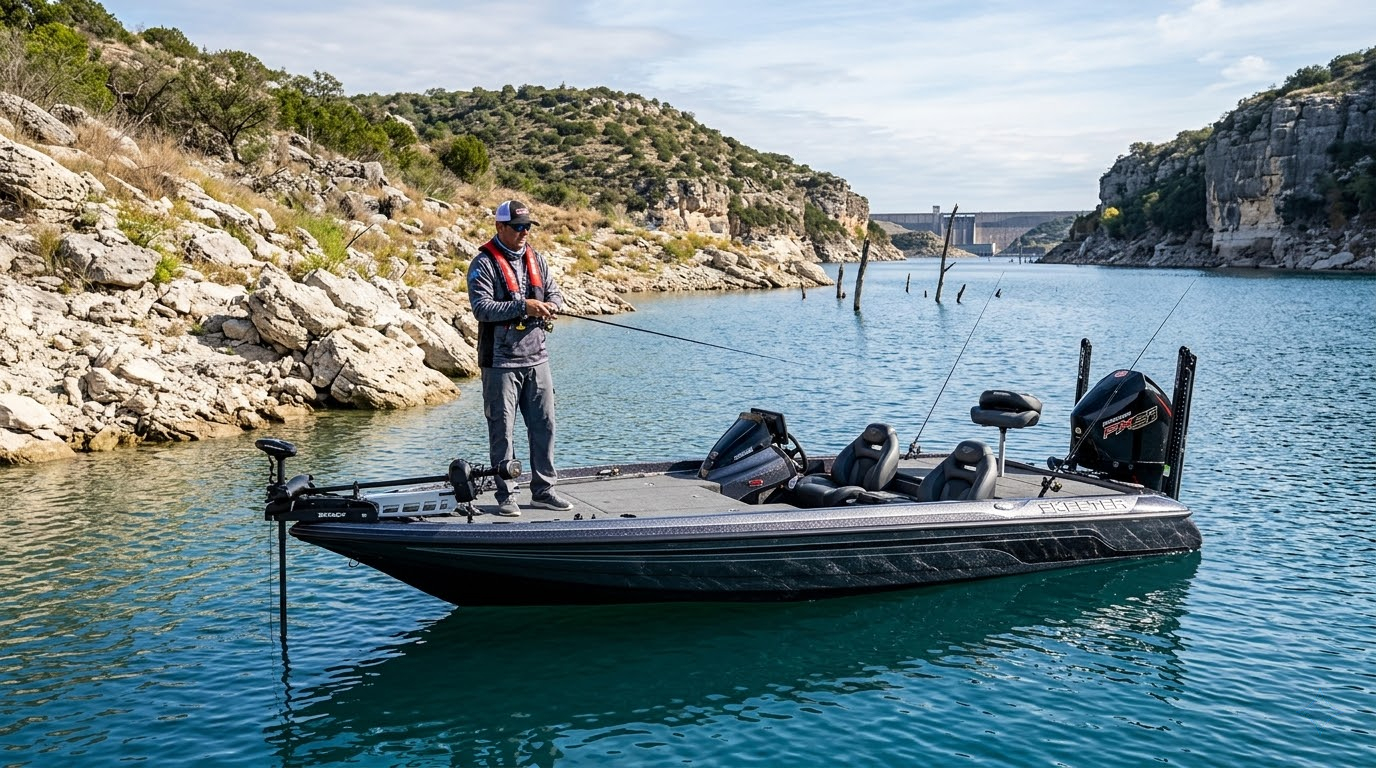
Fishing from a boat allows anglers to cover miles of canyon shoreline.
Common boat tactics include:
Bluff bank casting
Cast tight against the canyon wall and strip the fly back across submerged ledges.
Point fishing
Rocky points extending into the lake are prime ambush spots.
Drop-off edges
Bass often hold where shallow shelves break into deeper water.
The key is to keep the boat 30–50 feet off the shoreline and make long casts parallel to structure.
Wading the Upper Devils River
Upstream from the reservoir, the Devils River becomes a shallow limestone river.
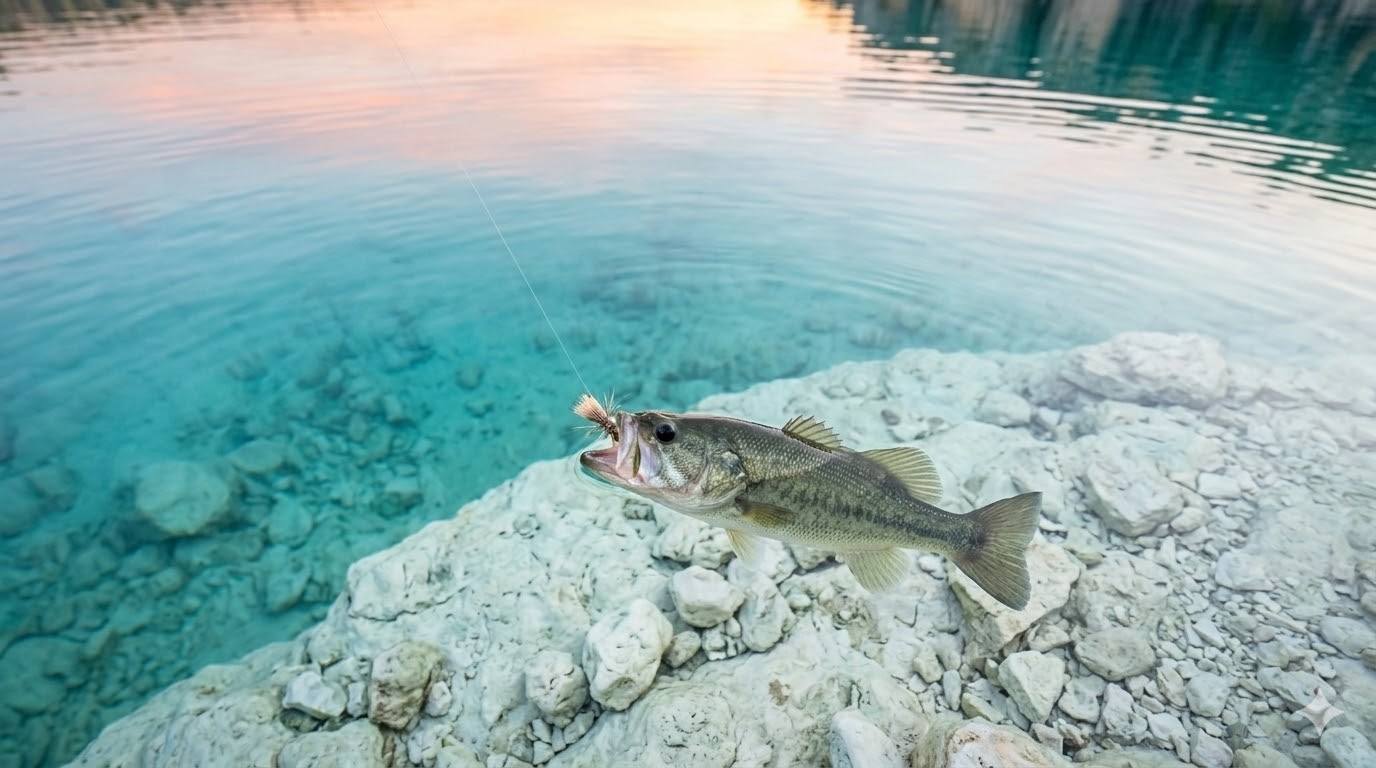 Here fly anglers can wade:
- Shallow rock flats
- Gravel riffles
- Limestone shelves
- Deep emerald pools
This stretch holds both smallmouth and largemouth bass, often visible cruising in the clear water.
Stealth is important.
Move slowly and cast upstream or across current seams.
Best Bass Flies for the Devils River
Successful flies typically imitate the river’s natural forage.
Topwater Flies
- Deer hair poppers
- Foam bass bugs
- Dahlberg divers
Sizes: #2 to #6
Colors: chartreuse, black, frog green, white
Topwater flies are deadly early and late in the day.
Baitfish Flies
- Clouser Minnows
- Deceivers
- Game Changers
Sizes: #1 to #2/0
Colors: white/chartreuse, olive/white, gray/white
These imitate shad and other baitfish common in the reservoir.
Crawfish Patterns
- Near-Nuff Crawfish
- Clawdad patterns
- Brown/orange streamers
Sizes: #4 to #2
Colors: rust, brown, olive
Crawfish flies work best along rocky bottoms.
Month-by-Month Fly Fishing Guide
Below is a seasonal guide based on Texas Parks and Wildlife fishing reports and regional angler observations.
January
Winter bass fishing on Amistad can still be productive.
Water temperatures often sit in the low 50s.
Bass tend to hold along deeper rocky structure and canyon ledges.
Recent reports indicate bass can still be caught shallow but larger fish often hold 15–25 feet deep during colder conditions.
Best Areas
- Canyon bluff banks
- Deep rock ledges
- Main river channel bends
Fly Patterns
- Crawfish streamers (#4)
- Olive baitfish flies (#2)
Presentation
Use slow strips along bottom structure.
February
February begins the pre-spawn phase.
Bass move gradually toward shallow water.
Best Structure
- Gravel points
- Limestone shelves
- Channel drop-offs
Depth
8–18 feet
Flies
- Crawfish patterns (#4)
- Olive Clouser Minnows (#2)
Technique
Let flies sink near bottom before retrieving.
March
March is prime time.
Water temperatures approach spawning range.
Texas fishing reports indicate pre-spawn bass often stage in 5–10 feet near drop-offs and shallow flats.
Areas
- Protected coves
- Rock shelves
- Backwater pockets
Flies
- White baitfish streamers
- Chartreuse Clousers
- Crawfish flies
Presentation
Short strips with pauses mimic fleeing prey.
April
The spawn peaks in April.
Bass move onto shallow limestone flats and gravel banks.
Depth
2–8 feet
Fly Choices
- Small crawfish patterns (#4)
- Black woolly buggers
- Chartreuse poppers
Technique
Sight-cast to cruising fish.
May
Post-spawn feeding begins.
Bass become aggressive again.
Structure
- Rocky points
- Bluff banks
- Submerged ledges
Flies
- Poppers (#2)
- Deceivers (#1)
Technique
Topwater early morning.
June
Summer begins to push bass deeper.
However, early mornings remain excellent.
Depth
5–15 feet
Flies
- Baitfish streamers (#1)
- Clouser Minnows (#2)
Presentation
Strip quickly to imitate shad.
July
Summer heat settles over southwest Texas.
Fishing is best early or late.
Areas
- Canyon shade lines
- Deep rock ledges
Flies
- Foam poppers (#4)
- White streamers (#1)
Technique
Fish topwater at dawn.
August
August is hot but still productive.
Bass often hold in deeper water during the day.
Depth
10–20 feet
Flies
- Crawfish flies (#4)
- Weighted Clousers (#1)
Presentation
Slow retrieve along rock ledges.
September
Cooling temperatures revive bass activity.
Shad begin to school along shorelines.
Structure
- Creek mouths
- Rocky points
Flies
- White baitfish patterns
- Silver streamers
Technique
Fast stripping retrieves.
October
Fall fishing on Amistad can be spectacular.
Bass chase baitfish along rocky shorelines.
Depth
3–10 feet
Flies
- Chartreuse Clousers (#2)
- Shad imitations (#1)
Presentation
Aggressive strip retrieves.
November
Cooling water pushes bass slightly deeper.
Structure
- Ledges
- Canyon walls
- Gravel points
Flies
- Crawfish flies
- Olive streamers
Technique
Slow, deliberate retrieves.
December
Winter patterns return.
Bass hold around deeper rock structure.
Depth
10–20 feet
Flies
- Brown crawfish patterns (#4)
- Olive woolly buggers (#2)
Presentation
Slow bottom presentations.
Trophy Bass Potential
Lake Amistad is known for producing trophy bass.
Records from the reservoir include:
- Largemouth Bass: 15.68 pounds
- Smallmouth Bass: 5.37 pounds
These fish demonstrate the remarkable size potential of the fishery.
Florida-strain largemouth bass have been stocked in the reservoir for decades to enhance trophy potential.
Why Fly Fishing the Devils River Is Special
Most bass lakes in Texas are muddy reservoirs filled with timber and vegetation.
The Devils River arm of Amistad is different.
It offers:
- Clear turquoise water
- Limestone canyon scenery
- Remote desert wilderness
- Strong populations of both largemouth and smallmouth bass
For fly anglers, it feels almost like fishing a western trout stream, except the fish exploding on the fly are bass.
You might spend the morning wading shallow limestone flats in the upper river, casting poppers to smallmouth bass in crystal-clear pools.
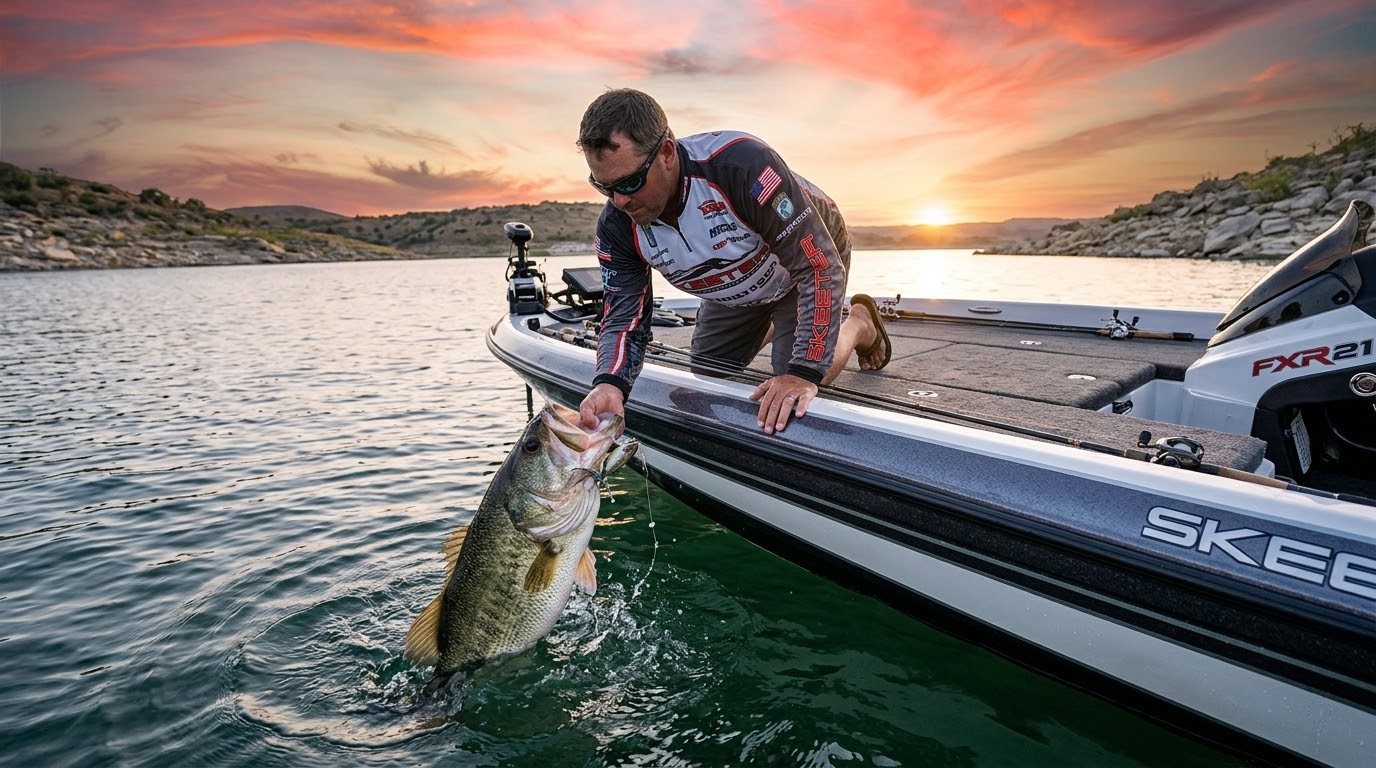
Later in the afternoon, you drift the canyon shoreline of Amistad, stripping baitfish flies along deep rock ledges where largemouth bass lurk.
It is one of the rare places where river fishing and reservoir bass fishing blend into a single unforgettable experience.

0 Comments