

Across the Lonestar State, most bass anglers are at home in the "slop." We’re used to shallow, murky water choked with timber, docks, and hydrilla. We love the heart-pounding "thump" of a giant bass inhaling a jig pitched into a tangled mess of brush because, frankly, we can see exactly where the fish should be.
But take those same anglers to a deep, rocky, ultra-clear reservoir, and that confidence often evaporates into a cloud of "clear-water anxiety." The thought of finesse fishing for suspended bass in eighty feet of water is enough to make most weekend warriors head back to the ramp. But for those willing to adapt, Canyon Lake isn't a mystery—it’s an opportunity.
The Myth of the "Tough" Lake
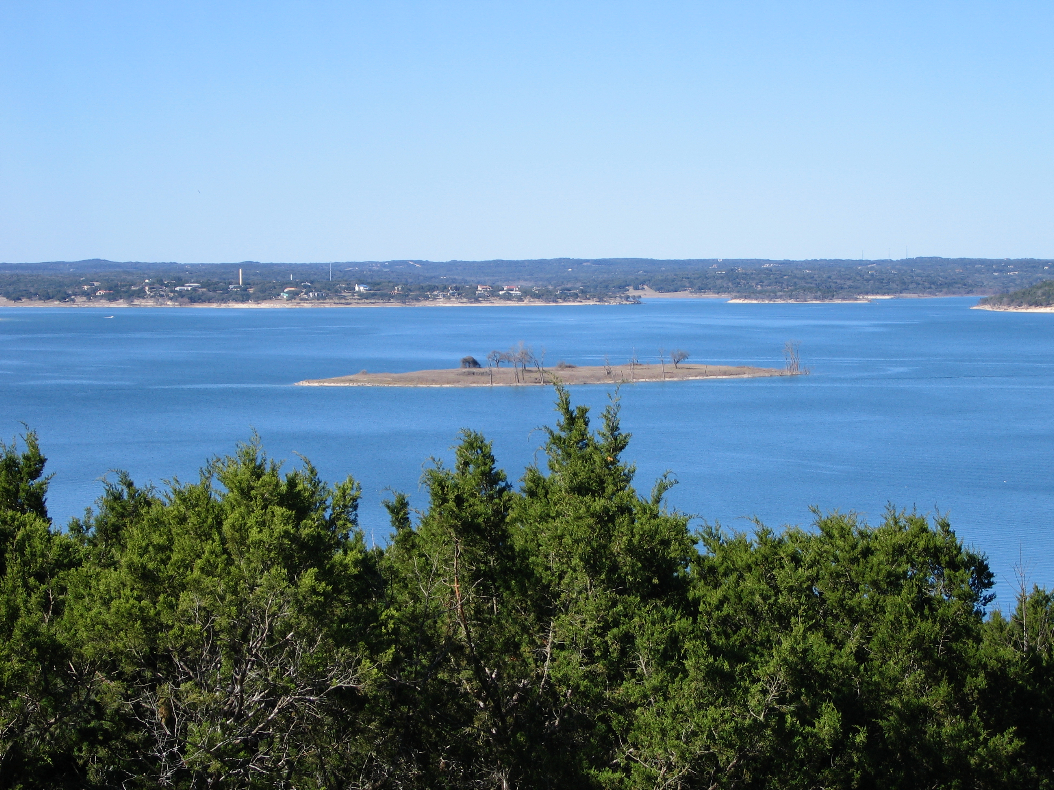
Canyon Lake, perched on the Guadalupe River just north of San Antonio, is a sapphire gem of the Hill Country. While its beauty is undisputed, its reputation is intimidating. A Texas Parks & Wildlife study once suggested a catch rate of one keeper bass for every 7.5 hours of fishing. By those standards, a day on Canyon sounds like a long walk in the desert.
However, as a professional guide on these waters, I’ve seen a different reality. While those "tough" days exist, my clients and I regularly average 15 to 20 quality bass a day, with 70% reaching keeper size. The secret isn't magic; it’s a disciplined three-step system.
1. Master the Map and the Monitor
On a deep-water lake, your most important cast happens before you ever pick up a rod. You need a high-quality topographical map (such as those from A.I.D. Associates) because your best fishing will happen offshore.
Once you have the map, you must trust your electronics. The bass here relate heavily to baitfish, suspending along ledges, points, and bluff walls. If you aren't comfortable reading a graph or a flasher to locate "balled up" shad, you’re fishing blind. On Canyon, the bait dictates the depth, and the depth dictates the win.
2. Tailor Your Tackle
Leave the heavy "flipping sticks" in the locker unless you’re headed far upriver into the timber. For the main lake, think finesse and 8-to-10-pound test. Your arsenal should include:
- Surface: Zara Spooks and Pop-R style topwaters.
- Reaction: White or pearl spinnerbaits with willow blades; shad-colored crankbaits diving 10–15 feet.
- Finesse: Carolina rigs and Drop Shots. Stick to "natural" colors like Watermelon Red Fleck and Green Pumpkin.
- Color Note: In the timbered river sections, traditional purple, black, and blue jigs still reign supreme.
3. Patterning the Suspended Bass
This is where the rubber meets the road. Start by idling over the numerous points that define Canyon’s shoreline. Use your electronics to find where the shad are holding. If the bait is at 25 feet, that’s your target zone.
If the water is over 60 degrees, start early or late with a topwater approach. As the sun rises, transition to baits that maintain contact with the bottom structure. If the fish won't commit to the bottom, move vertically. Position your boat directly over the baitfish and drop a finesse worm on a Drop Shot rig. By adjusting your sonar sensitivity, you can actually watch your lure dance on the screen at the exact depth of the fish. Once you find the "magic depth" on one point, you can usually replicate that pattern across the entire lake.
The Bottom Line
Canyon Lake has a way of rewarding the observant and punishing the stubborn. It demands better electronics skills and lighter line, but the payoff is some of the most consistent action in Central Texas.
Don't let the clarity fool you and don't let the depth scare you. Pack your finesse gear, trust your eyes on the graph, and get out there. Canyon Lake isn't tough—it's just waiting for you to figure it out.


0 Comments