
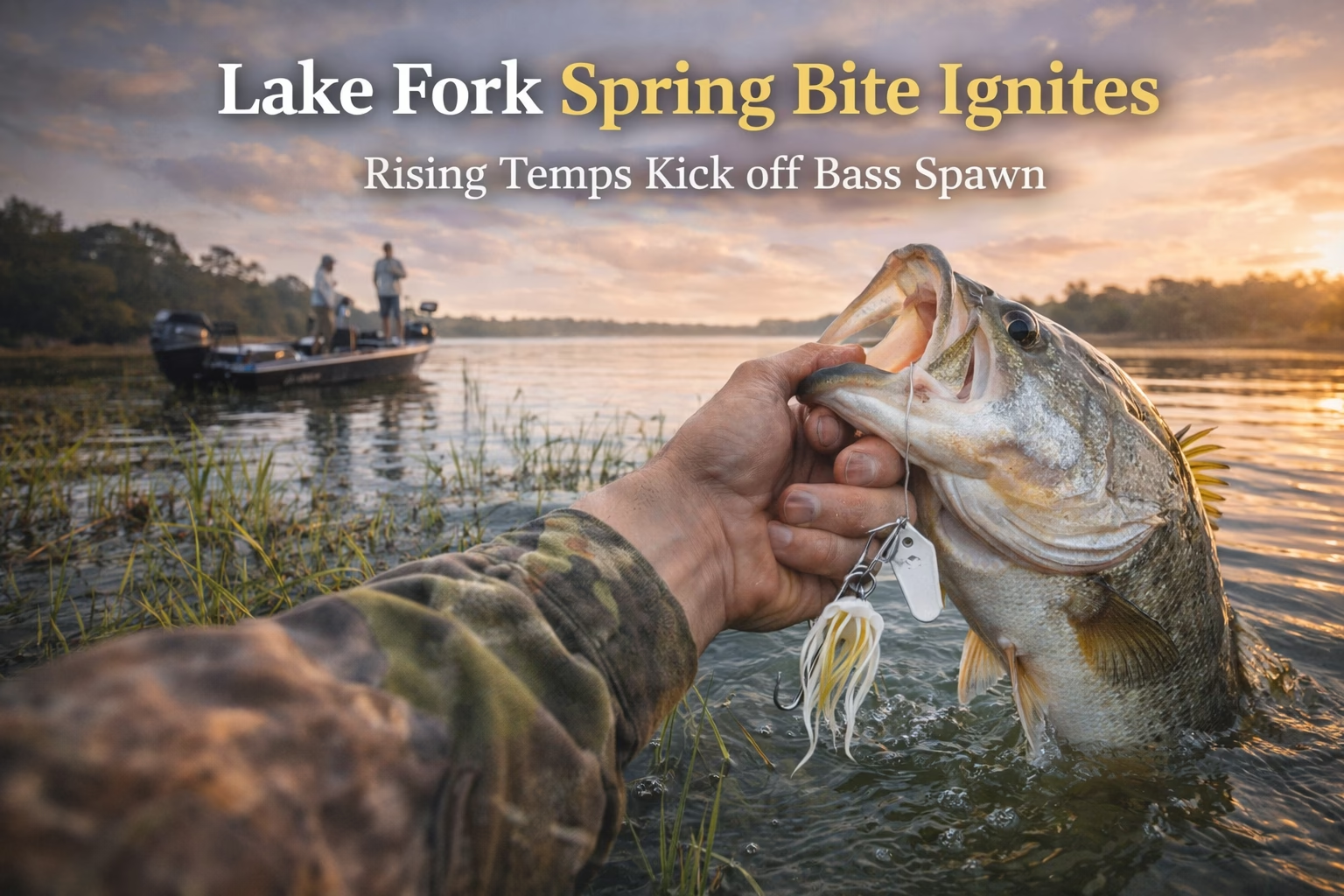
Spring doesn’t arrive quietly on Lake Fork—it kicks the door open.
After a winter that seemed to hang on longer than it should, the lake is finally warming, and with it comes that familiar surge of life every bass angler waits for. Water temperatures are climbing into the range that flips the switch on the annual spawn, and just like that, things are getting interesting in a hurry.
I’ll admit, it’s been one of those winters you don’t forget. I can’t recall another season where I wore thermal underwear for so many consecutive days on the water. I’m not packing them away just yet—spring in Texas has a habit of reminding you who’s in charge—but for now, the lake is trending in the right direction.
Conditions are solid and improving daily. Water levels are sitting just above full pool at 403.40—about five inches high—and the lake looks healthy. Morning temperatures have been starting in the upper 40s, pushing into the mid-to-upper 50s by afternoon. With forecasts calling for highs near 70 and lows in the 40s and 50s, we should see consistent 50-degree water, with some areas touching 60. When that happens, the spawn won’t ease in—it’ll take off.
Reaction Bites in the Grass
Right now, it’s hard to beat a lipless crankbait. A 1/2- to 5/8-ounce model in red or orange has been the top producer, though shad patterns are holding their own. The key is ripping these baits free from shallow grass in 2 to 8 feet of water—triggering reaction strikes from big females staging up before moving shallow.
A chatterbait has been a strong second option during this transition. I’m leaning on 3/8- to 1/2-ounce sizes in white, white/chartreuse, and even red. Work them the same way—over and through the grass, especially in thicker patches or areas the coots have churned up. Spinnerbaits in similar colors are picking off fish as well, though not quite at the same pace.
The jig bite hasn’t quite come alive yet, but it’s close—I can feel it. With water temps rising, it’s only a matter of days before those big fish start eating it right. When they do, there’s nothing better. A 1/2-ounce flipping jig in black/blue, black/blue/purple, bama bug, or Texas craw, paired with a craw-style trailer, is hard to beat around stumps and laydowns near spawning areas.
Slowing Down for the Spawn
Once fish move onto beds, plastics will take over.
That’s when patience becomes the most valuable thing in the boat. I rig my setups with fluorocarbon for two simple reasons: sensitivity and invisibility. In the spring, bites are often subtle—a slight “tick” or a line that just feels different. You need to feel it. And because you’re fishing slow, bass have time to study your bait. The less they see your line, the better your odds.
Wacky-rigged stick worms are always a player—especially in green pumpkin, black/blue, or watermelon tones. Weightless or lightly weighted Texas rigs with soft plastics like sinking minnows, flukes, and jerk shads also shine in these areas. When the wind picks up, adding a little weight helps maintain control and keep your presentation where it needs to be.
And don’t overlook a swimbait when the breeze is up. A 5- or 6-inch model can draw a strike from the kind of fish that doesn’t come along every day.
Timing, Water, and Opportunity
What we’re seeing right now is the intersection every angler hopes for—rising water, warming temperatures, and a strong class of fish ready to move shallow. It doesn’t last forever, but while it’s here, it can be as good as it gets.
If you’re planning a trip to Lake Fork this spring, now’s the time to start watching the weather, checking those water temps, and getting your gear ready. The next warming trend could turn a good day into one you remember for years.
Because when Lake Fork lines up like this—
warming water, green grass, and big females moving in—
you’re never more than one cast away from the fish of a lifetime.
James Caldemeyer
GuideJamesCaldemeyer
0 Comments