

Some decisions shape more than a map—they shape the future of fishing itself.
On November 3, the Texas Parks and Wildlife Commission made one of those decisions, officially approving Jasper County as the site of a new East Texas freshwater fish hatchery for the Texas Parks and Wildlife Department.
With that vote, months of planning, proposals, and spirited competition came to a close—and a new chapter for Texas fisheries began.
A Decision Backed by the Region
The commission’s approval confirms a recommendation made earlier by the Texas Parks and Wildlife Foundation, but what stood out most during the final meeting wasn’t just the decision—it was the unity behind it.
Leaders from across East Texas, including communities that had submitted competing bids, showed up to offer their support.
“I’m reminded of the Caddo and Coushatta tribes that once lived in this region,” said Woodville Mayor Jimmie Cooley. “They knew no county lines—and neither do we. We will share our resources to make this a success for all of East Texas.”
Tyler County Judge Jerome Owens echoed that sentiment, noting that while his county had fought hard for the project, they now stand fully behind Jasper’s selection.
It was the kind of cooperation you don’t always see—and one that speaks to the importance of the project.
Why Jasper County
In the end, Jasper County’s proposal simply checked more boxes.
Valued at approximately $28 million over 50 years, it outpaced competing bids by more than $4 million. The proposal also offered:
- 200 acres of land, the largest of any bid
- Minimal water pumping requirements, thanks to gravity-fed water flow
- Ideal topography for hatchery ponds
- No-cost land clearing
The site, located near Sam Rayburn Reservoir, sits on property owned by Temple-Inland and is currently part of a managed forest operation.
Add in strong regional partnerships—including support from the Lower Neches Valley Authority, the Texas Department of Transportation, and the U.S. Army Corps of Engineers—and the picture becomes even clearer.
This wasn’t just the best bid.
It was the best long-term investment.
Replacing a Piece of History
The new hatchery will replace the aging Jasper Fish Hatchery, originally opened in 1932 and largely unchanged since the late 1940s.
While the old facility has served Texas anglers well, the demands of modern fisheries call for something more efficient, more capable, and better equipped for the future.
Funding for the project will come from the recently implemented $5 freshwater fishing stamp, along with community and corporate support.
Bigger Than One County
From the beginning, leaders have emphasized that this hatchery will serve more than Jasper County.
“This will be a benefit to the entire region—and to all Texans,” said Jasper County Judge Joe Folk.
That regional mindset carried through the meeting, with officials from neighboring counties and organizations pledging support and cooperation moving forward.
TPWD Commission Chairman Joseph Fitzsimons summed it up best:
“There were many fine proposals, and it was a difficult decision. We fully support making this a venture that benefits the entire region.”
An Investment That Pays Back
The importance of a modern hatchery goes far beyond fish production.
It supports fisheries management, strengthens stocking programs, and helps sustain one of Texas’ most valuable outdoor traditions.
Freshwater anglers in Texas generated $1.49 billion in retail sales and $733 million in wages and salaries annually, according to U.S. Fish and Wildlife Service data.
That’s not just recreation.
That’s a major part of the Texas economy.
Final Cast
Most anglers will never see the inside of a hatchery.
They won’t watch the spawning tanks or the careful work that goes into raising the next generation of fish.
What they will see is the result—a stronger fishery, healthier lakes, and better days on the water.
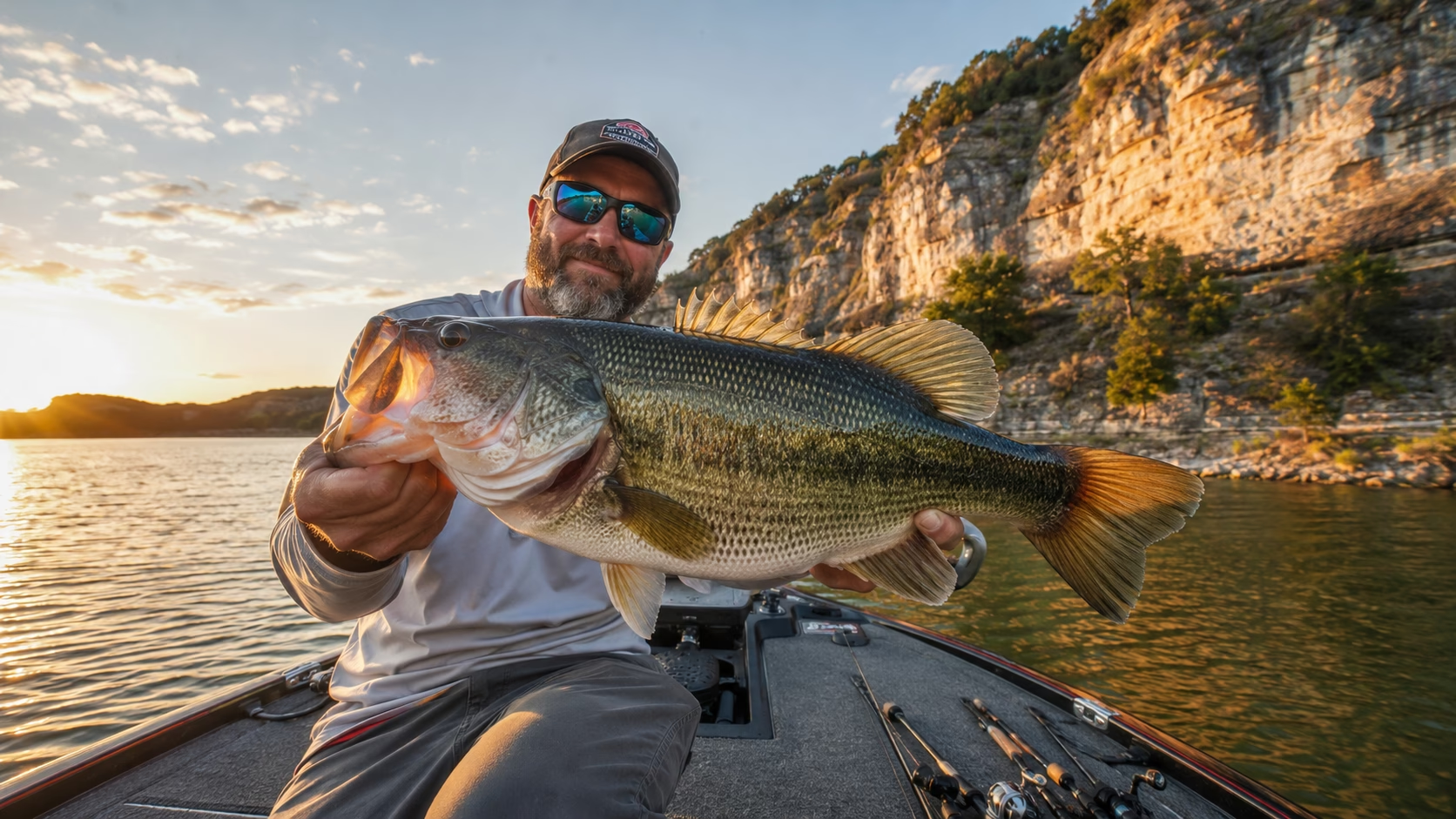
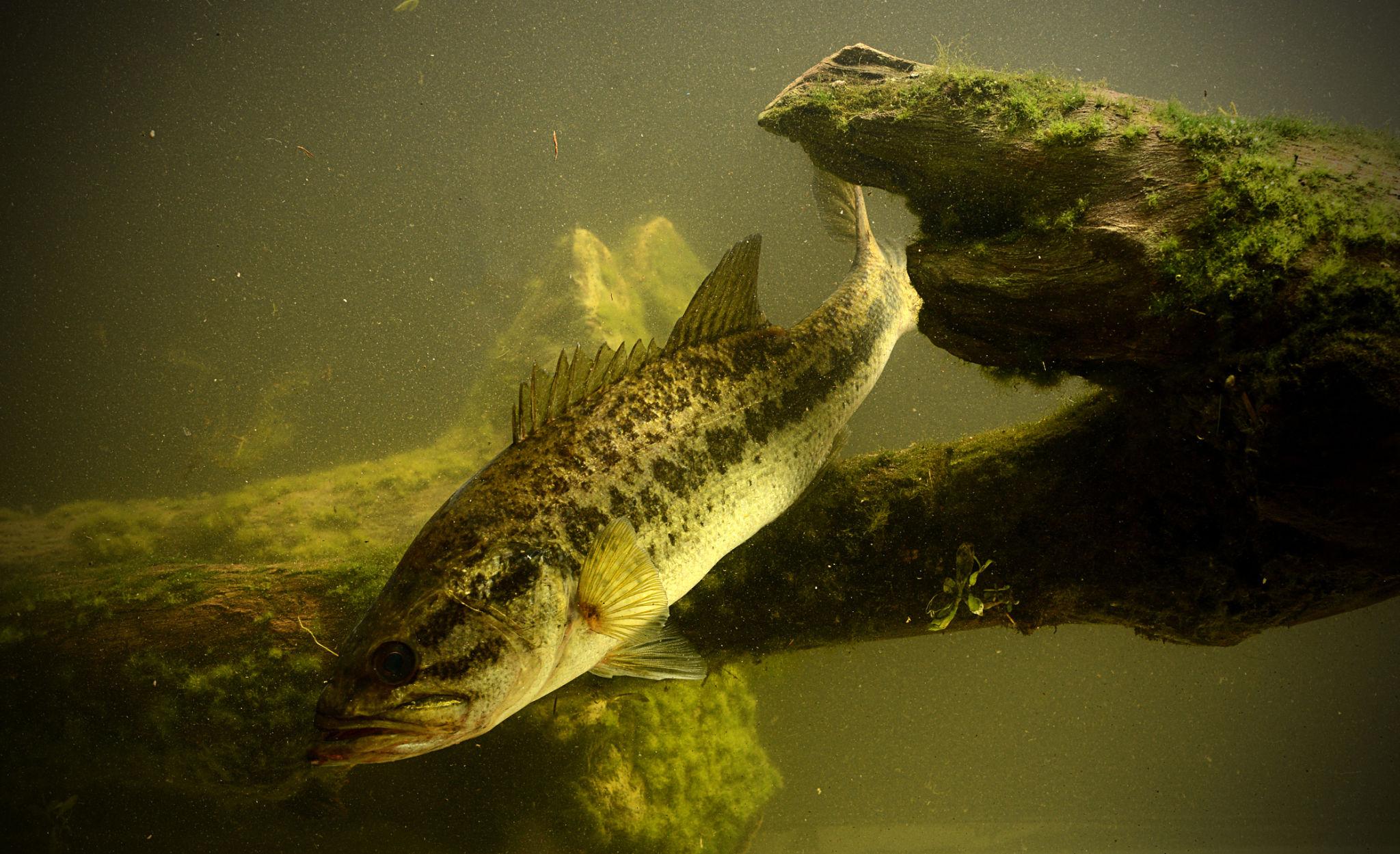
And years from now, when someone hooks into a bass that started life in those East Texas ponds, they won’t be thinking about commission meetings or proposals.
They’ll just feel that surge on the line.
And that’s exactly the point.

0 Comments