
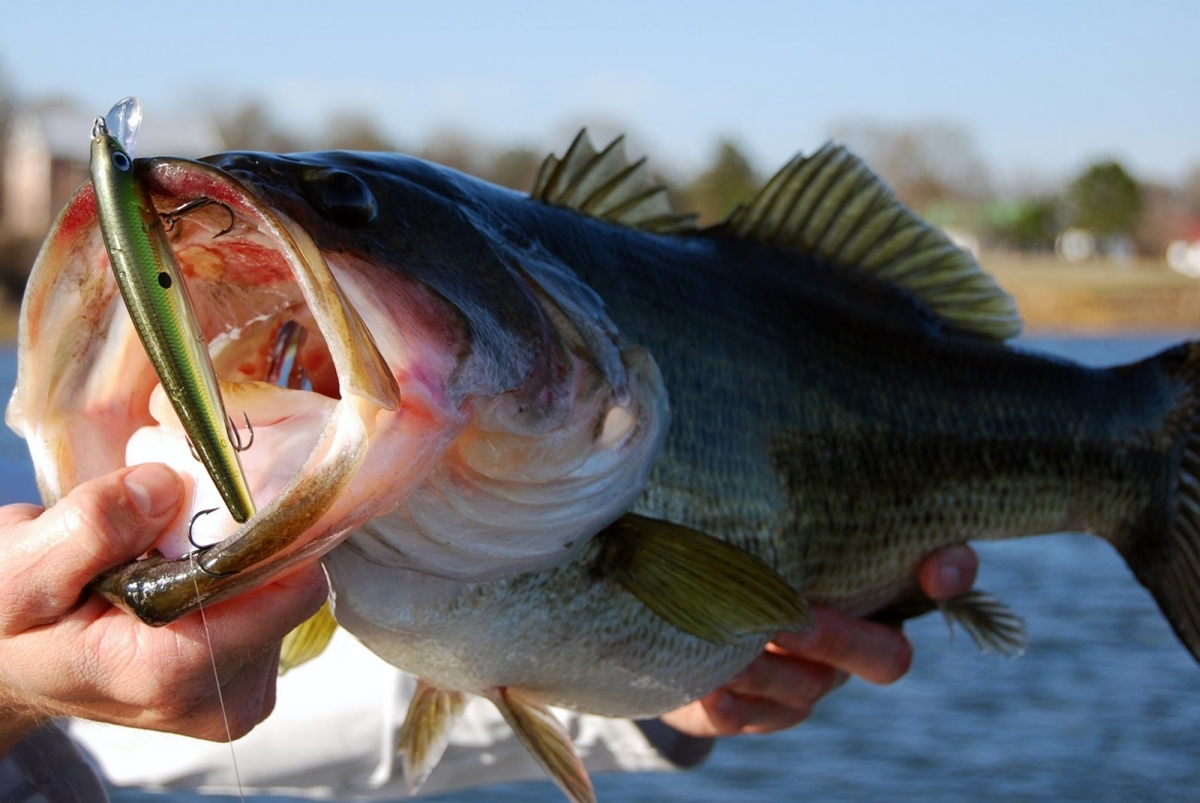
For generations of anglers, Texas bass fishing has carried a reputation unlike anywhere else in the country. Bigger lakes. Longer growing seasons. Rich forage. And most importantly, the very real possibility that the next cast could connect you to a bass of a lifetime. Nowhere is that reputation more justified than during the spring months of February, March, and April, when Texas largemouth bass begin their annual spawning ritual.
These are the months when heavy, egg-laden females move shallow, when instincts take over, and when history has repeatedly shown that double-digit largemouth bass are not just possible—they are likely. If there is a window each year when dreams turn into mounted replicas and handwritten entries into the Texas Parks and Wildlife Department’s ShareLunker Program, this is it.
Yet as every seasoned Texas bass fisherman knows, no two springs are ever the same.
The Spring Spawn: The Most Important Season in Texas Bass Fishing
Spring is the backbone of Texas bass fishing success, not only for anglers, but for the long-term health of the fishery itself. During February, March, and April, largemouth bass move from deeper winter holding areas into the shallows to spawn. This movement places the largest bass in the lake into water that is often less than ten feet deep—sometimes less than three.
These females are at their heaviest weight of the entire year. A bass that may weigh nine or ten pounds in the summer can exceed thirteen pounds in late winter or early spring when full of eggs. That is why nearly every Texas state record bass contender and the overwhelming majority of ShareLunker entries come during these months.
Historically, February has been the banner month. Cold fronts, warming trends, and stable weather windows align just often enough to put giants within reach. But as the statistics from the mid-1990s demonstrate, nature does not always follow tradition.
A Statistical Anomaly: When February Didn’t Deliver
According to Texas Parks and Wildlife Department ShareLunker Program statistics, February has long been known as the most productive month for trophy-class bass. But in the year highlighted by your original notes—1996—that trend shifted dramatically.
Only three bass weighing over 13 pounds were entered into the ShareLunker program during February of that year. That was a sharp decline from the eight 13-plus-pound bass recorded in February of 1995. For anglers who had come to rely on February as the prime time to chase giants, it was a puzzling downturn.
Weather patterns, water temperature fluctuations, and delayed spawning cycles all likely played a role. Texas bass fishing, especially at the trophy level, is never guaranteed—even in the best waters in the country.
March Makes Up for Lost Time
While February lagged behind expectations, March exploded.
During the month of March, Texas Parks and Wildlife collected 19 bass that met or exceeded the ShareLunker Program’s 13-pound minimum requirement. That number surpassed even the entries from the record-setting 1994–1995 season, which had previously been considered exceptional.
What this tells experienced Texas bass fishermen is something they already understand instinctively: spawning doesn’t follow the calendar—it follows conditions. Water temperature stability, photoperiod, and forage availability all influence when bass move shallow. In years when winter lingers or cold fronts remain persistent, the spawn simply slides later.
For anglers paying attention, that shift doesn’t reduce opportunity—it extends it.
April: The Late Spawn Advantage
With bass spawning later than usual that year, April was shaping up to be exceptional. When largemouth bass delay their spawn, they often remain in shallow water longer, providing anglers with an extended window to target trophy fish.
In Texas bass fishing, April is often overlooked by anglers who burn themselves out early in the season. That’s a mistake. Late spawners, post-spawn females guarding fry, and aggressive males defending beds all remain vulnerable well into April—especially in lakes with abundant shallow cover.
Experienced anglers know that some of the heaviest bass of the year are caught in April, when females recover from spawning but haven’t yet moved offshore.
Lake Fork: Still the Crown Jewel of Texas Bass Fishing
As of April 4th of that year, Lake Fork accounted for 18 of the 25 ShareLunker entries statewide. That dominance is no accident.
Lake Fork was designed, managed, and protected specifically for trophy bass production. Its forage base, habitat diversity, water fertility, and strict harvest regulations make it the single most reliable trophy bass factory in the country.
Of the 19 bass entered during March, 13 came from Lake Fork alone.
Other contributing lakes included:
-
Sam Rayburn Reservoir – 2 entries
-
Purtis Creek State Park – 1 entry
-
Brady Branch – 1 entry
-
Lake Conroe – 1 entry
-
Cedar Creek Reservoir – 1 entry
While these lakes are all productive fisheries, Lake Fork remains in a class of its own when it comes to consistent production of double-digit largemouth bass.
Out-of-State Anglers and the Draw of Texas Bass Fishing
One of the most telling statistics from that season was this: Eight of the 25 ShareLunker entries were caught by out-of-state anglers, and every single one came from Lake Fork.
That speaks volumes about the national reputation of Texas bass fishing. Anglers from across the country—and increasingly from around the world—travel to Texas with one goal in mind: to catch the biggest bass of their lives.
Three of those eight out-of-state entries were caught using live bait, which has always been a controversial but undeniably effective method when legal. The standout fish of the year—a 16.44-pound largemouth bass caught by Chris Adams of Ozark, Missouri—fell to a live shiner.
That fish was, and remains, one of the heaviest bass likely to be caught in any given year anywhere in the United States.
Live Bait vs Artificial Lures: A Texas Debate as Old as Time
Texas bass fishing has long balanced tradition and innovation. Artificial lures dominate modern bass fishing culture, yet live bait continues to quietly produce giants—especially during the spawn.
While tournament rules typically prohibit live bait, recreational anglers fishing legally have always known its effectiveness. A live shiner or perch placed in the right strike zone during the spawn is nearly irresistible to a defensive female bass.
That said, artificial lures continue to account for the majority of trophy bass catches. Soft plastics, jigs, swimbaits, and suspending jerkbaits remain staples for anglers seeking both numbers and giants.
When Are Big Bass Caught? Time of Day Matters
One of the most useful insights from the ShareLunker data involved time of day.
Of the 25 bass entered that year:
-
13 were caught between noon and dark
-
10 were caught in the morning
-
2 were caught at night
This flies in the face of the common belief that early morning is always best. During the spawn, afternoon sun warms shallow water, making bass more active and more aggressive. In clear water lakes like Fork, that warming effect can make a dramatic difference.
Texas bass fishermen who adjust their schedules accordingly often find themselves alone on prime water during the most productive hours of the day.
Depth Matters: Where Trophy Bass Really Live
Another revealing statistic was depth.
-
12 bass were caught in 6–10 feet of water
-
8 bass were caught in less than 5 feet
-
3 bass came from 11–15 feet
-
2 bass were caught in 16–20 feet
-
Zero bass were caught deeper than 20 feet
The conclusion is clear: trophy bass during the spawn are shallow bass.
Anglers fishing deep structure during these months were simply not in the game. Keeping your bait in the prime strike zone—shallow, protected water near spawning areas—dramatically increases your odds of connecting with a giant.
The Blessing of Texas Bass Fishing—and Our Responsibility
Texas bass fishermen are truly blessed. From Lake Fork and Sam Rayburn to Toledo Bend, Falcon, Amistad, and dozens of lesser-known gems, Texas offers opportunities that most anglers only dream about.
But with that opportunity comes responsibility.
Keeping a few fish for the skillet is a long-standing Texas tradition, and there’s nothing wrong with it. Bass are excellent table fare when harvested responsibly. But the true future of Texas bass fishing lies in selective harvest and catch-and-release, especially for large breeding females.
Every big bass returned to the water carries the potential to produce tens of thousands of offspring—and possibly the next state record.
Passing It On: Fishing for Tomorrow
The real measure of Texas bass fishing success isn’t just how many trophies are caught today, but whether our children and grandchildren will experience the same magic tomorrow.
Programs like ShareLunker, habitat improvement projects, and responsible angling ethics ensure that Texas remains the premier destination for largemouth bass fishing in the nation.
Put a few in the freezer if you like—but put the big girls back.
They’re the future of Texas bass fishing.


0 Comments