
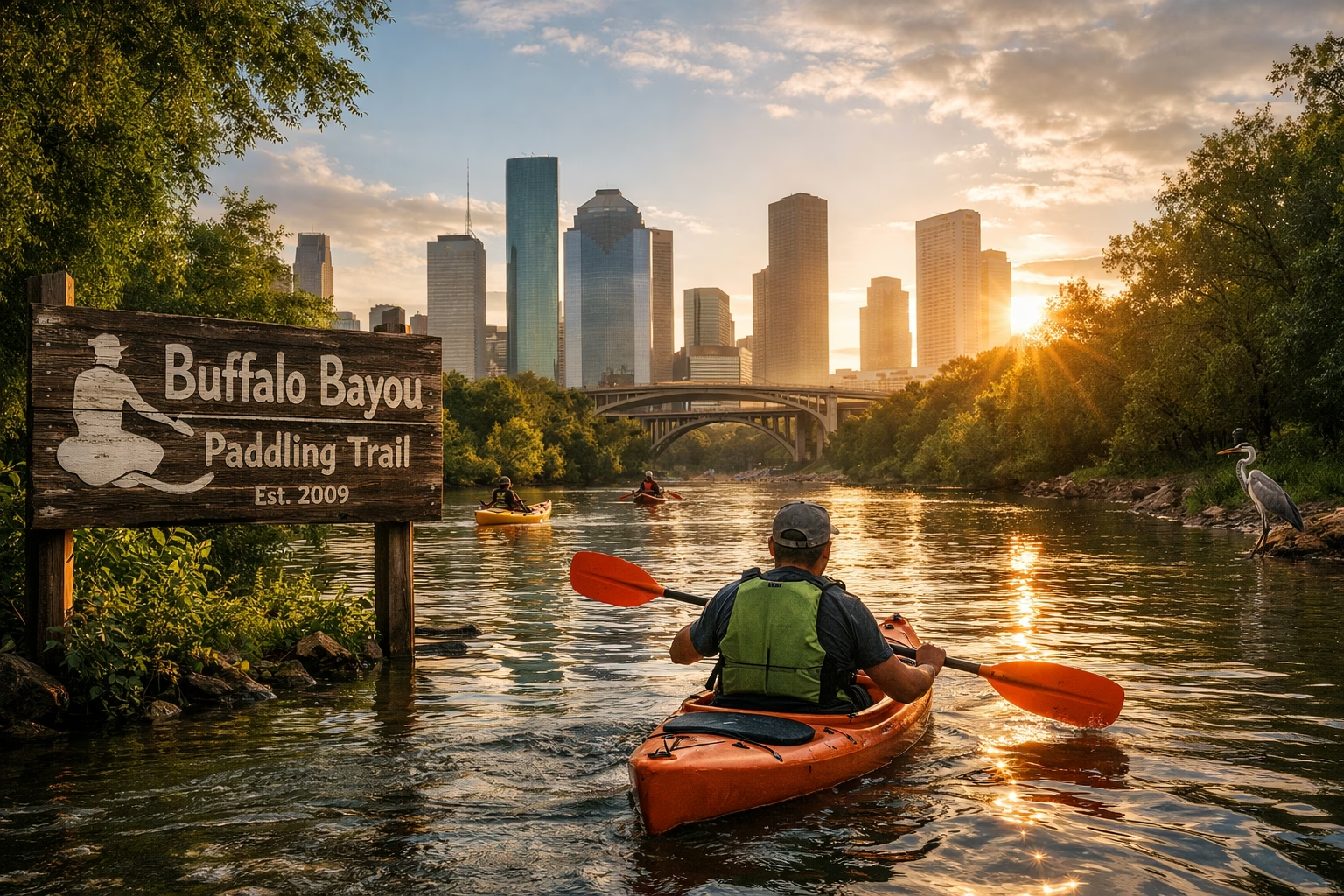
Buffalo Bayou Gets Its Paddle Trail Moment
There are rivers you fish, rivers you cross, and then there are rivers you come to know one quiet bend at a time. On April 16, Houston’s own Buffalo Bayou takes its place in that last category, as paddlers and conservationists gather at Briar Bend Park to mark the official opening of the Buffalo Bayou Paddling Trail.
The dedication, hosted by the Bayou Preservation Association in partnership with the Texas Parks & Wildlife Department, brings together outdoor enthusiasts, local officials, and a growing community of Houstonians rediscovering their waterway from the seat of a kayak or canoe. It’s more than a ribbon-cutting. It’s an invitation.
Stretching 26 miles from Highway 6 to Allen’s Landing in downtown Houston, the Buffalo Bayou trail becomes the longest designated paddling trail in Texas. That kind of mileage doesn’t just offer distance. It offers variety, from quiet upstream stretches lined with overhanging trees to the urban rhythm of downtown’s historic corridor. It’s a front-row seat to the changing face of Texas water.
And Buffalo Bayou is just the beginning.
The state is rolling out a growing network of paddling trails designed to open up Texas waterways to the public in a way that’s both accessible and respectful of the land. On May 2, the Limestone Bluffs Paddling Trail near Groesbeck will welcome its first visitors. Just days later, on May 6, Austin’s Lady Bird Lake joins the lineup. Additional trails are already under consideration for later this spring and summer, including sites at Martin Dies, Jr. State Park in East Texas, stretches of the Brazos River in both Brazoria County and near Glen Rose, Village Creek near Lumberton, the Guadalupe River in Gonzales, and the Colorado River in Webberville.
It’s a quiet movement, but an important one. These trails aren’t built with concrete and steel. They’re built with access points, maps, and a shared understanding that some of Texas’ best experiences still come at paddle speed.
For those looking to explore, Texas Parks & Wildlife provides detailed trail maps, descriptions, and information on local canoe and kayak outfitters through its paddling trails program. Questions about the Buffalo Bayou trail can be directed to TPWD Nature Tourism Coordinator Shelly Plante at (512) 389-4500 or via email at shelly.plante@tpwd.state.tx.us.
The real story, though, isn’t in the phone numbers or the ceremony schedule. It’s in what happens after the crowd thins out and the last speech fades into the trees.
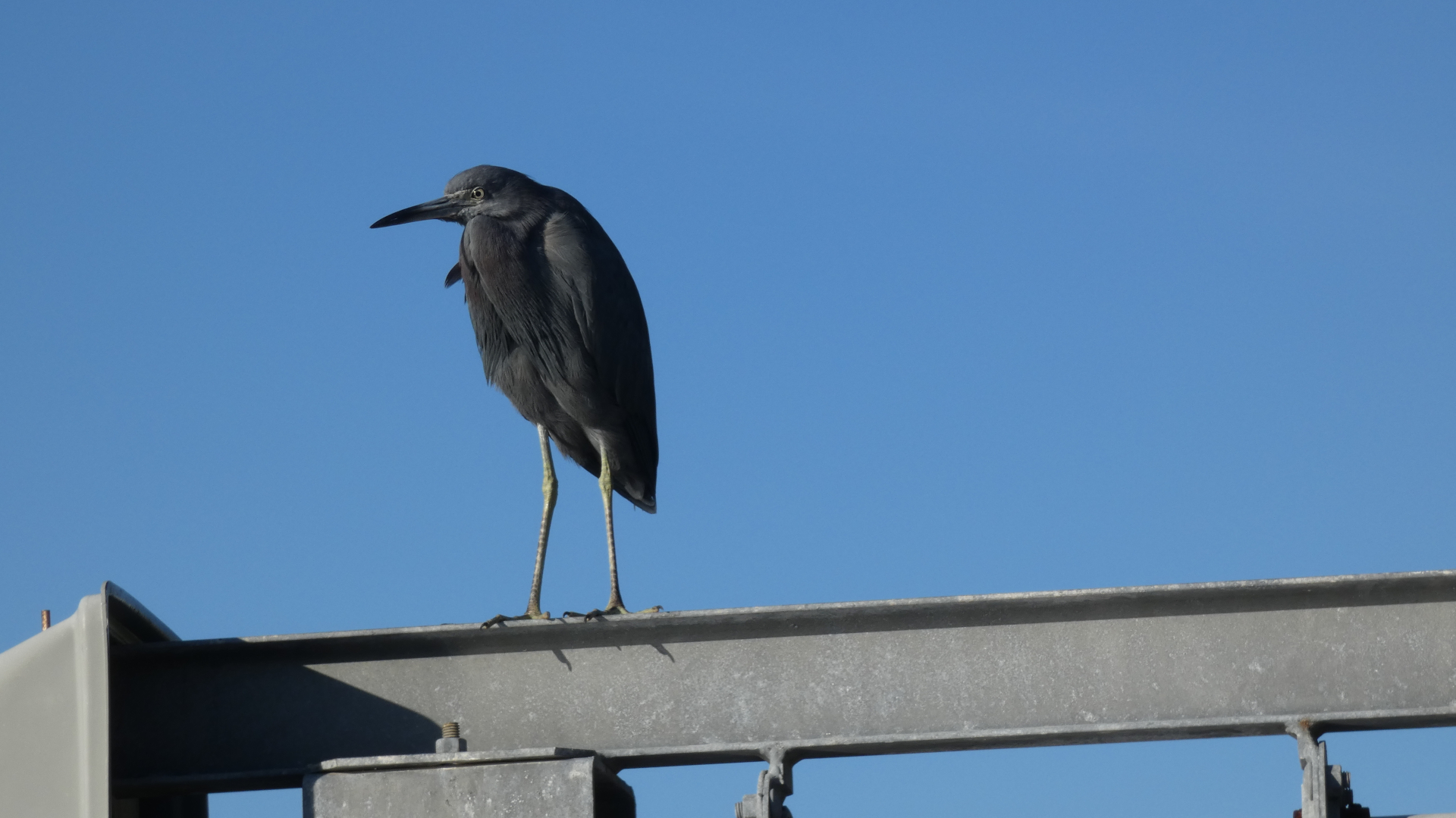
That’s when the bayou settles back into itself. A paddle dips into the water. A heron lifts from the bank. And a stretch of Texas that’s always been there finally feels discovered.
0 Comments